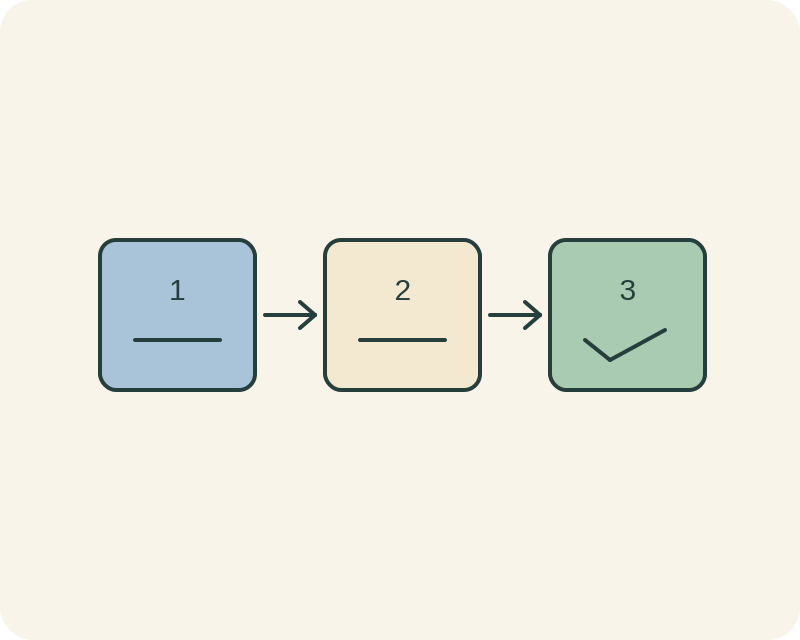
Agree on what counts as resolution and what reopens a case. Compare cohorts that have completed the same observation window.
Define the event and window
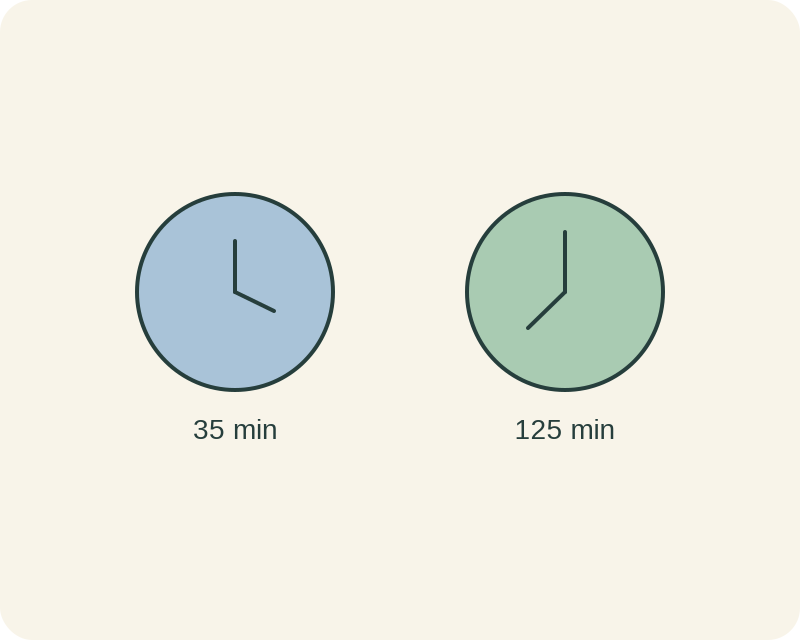
In this exercise, the first contact is the first live support conversation. A case counts as resolved in that contact when the person confirms they completed the task before the conversation ends. The team watches for the same difficulty within seven days of opening.
Record this as an internal definition. Zendesk documents a one-touch ticket metric with its own rules for replies and reopens. Check your system’s rules before comparing its number with the exercise.
Read the twenty cases in the example
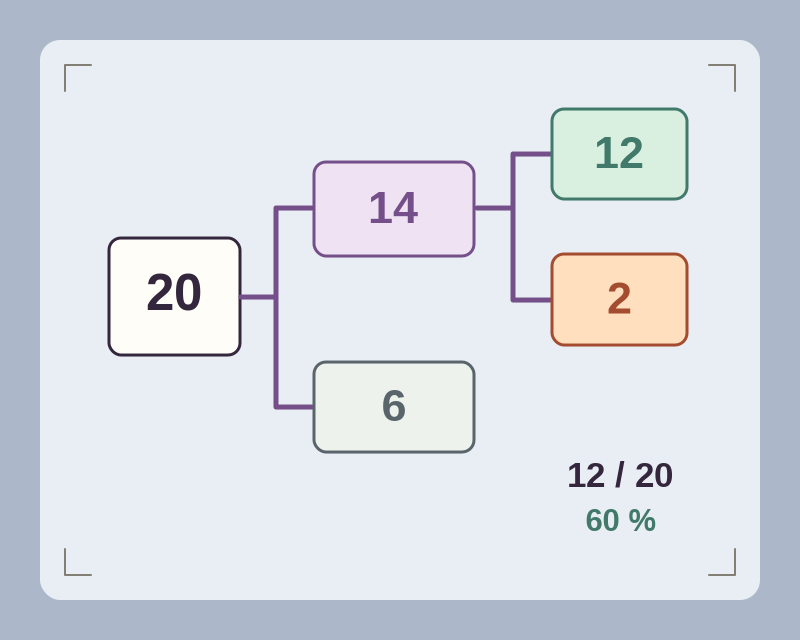
Twenty eligible cases arrive on Monday in this channel. Fourteen resolve on first contact. Three resolve after further contact and three remain open at the end of the window. Two of the original fourteen come back with the same difficulty within seven days. Twelve still meet the criteria, so the rate is 12 ÷ 20, or 60%.
Counting the initial fourteen would give 70%, which describes an earlier cutoff. Keep both figures only if you can explain how the count changed.
Distinguish a return from a new case
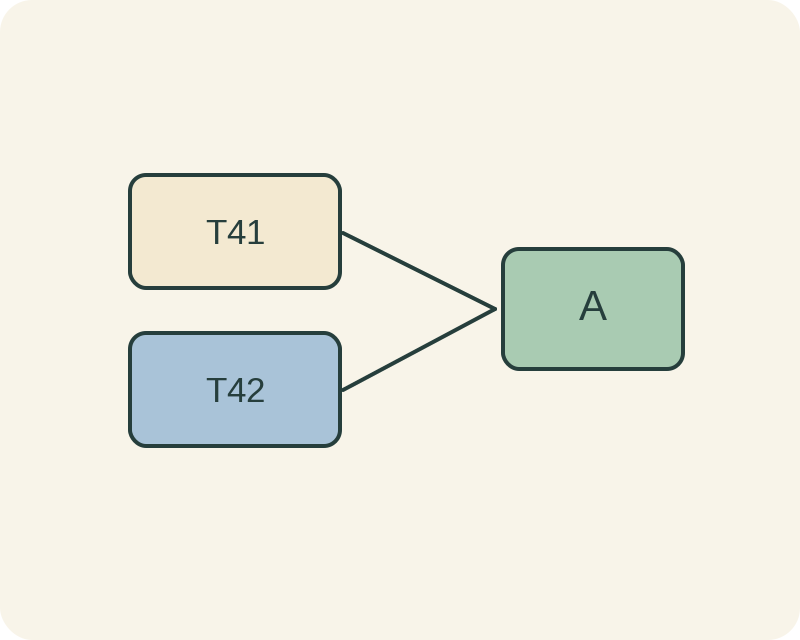
In the exercise, one person returns because the download fails at the same step. Link the contact to the original request. Another person says thanks and then asks about a different feature. Give the new issue its own record. If the link is uncertain, keep the reference and confirm the reason before reclassifying.
Wait the same length of time before comparing
If you add Sunday’s cases to Monday’s report, some will have had only a day of observation. Hold that cohort until its window is complete. Keep the channel, opening date, first conversation outcome and the date and reason for any return.
Use the result to review conversations
Read one case that came back. Check which step was confirmed and which caused trouble later. If you update the help response, review comparable cases again. The rate describes the cohort, and the conversation helps you choose what to test.
Follow the evidence.
Sources checked November 11, 2026. The exercise scenarios and figures are fictional. Our editorial standards.