Confirm person, object and episode. Keep each channel’s references and evidence, choose an owner and check what linking or merging preserves.
Compare the episode as well as the person
Gather identifiers, product or order, description, failure time and expected outcome. Two messages from one sender provide a clue but still need content comparison.
When information is insufficient, ask the specific clarifying question. A similar email subject cannot replace reviewing what happened.
Read three example messages
| Record | Message | Relationship to check |
|---|---|---|
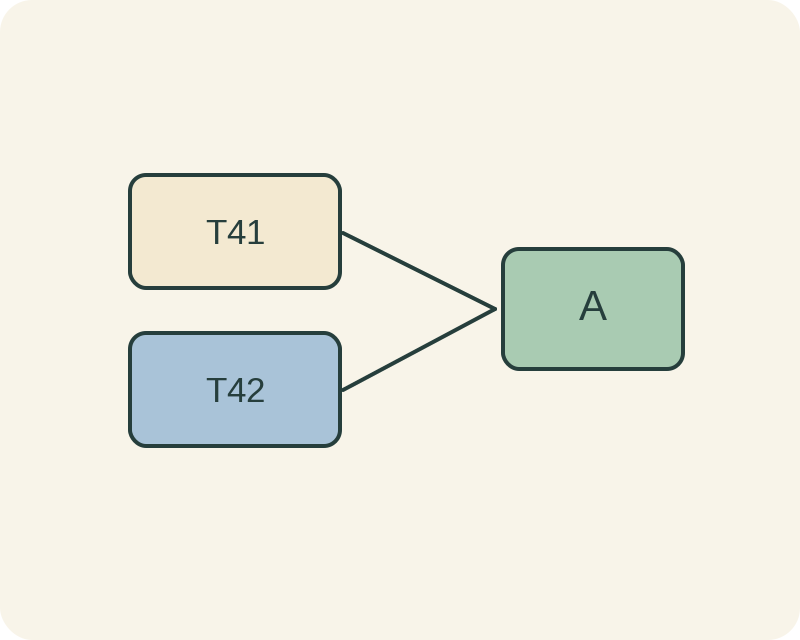
| T41, 09:10, email | I cannot download file A | First report |
| T42, 09:18, chat | I still cannot download A | Possible continuation of T41 |
| T43, 10:00, email | A downloaded but opens damaged | New symptom or development |
T41 and T42 may describe one episode. T43 needs investigation of a changed problem, another cause or additional work. Keep all three references until clarified.
The table proposes investigation questions. It contains no real tickets and does not authorize closure based on similarity.
Choose the relationship to represent
Linking can keep records separate while showing their relationship. Merging can centralize a conversation and close a source record. Check your tool’s actual behavior first.
Atlassian documents links between related work items. Zendesk describes permanent merges and says fields from the closed ticket do not transfer. These operations need different preservation decisions.
Review what must continue
Before an operation, retain receipt times, comments, attachments, status, priority and commitments. Check requester, participants and message visibility. Internal notes and public replies have different audiences.
For response or resolution measurements, keep events and applicable timing rules. A new working reference does not change when the first report arrived.
Define where support continues
Assign an owner for the next step and identify the team’s reference record. Where appropriate, tell the customer where work continues and which question remains. Avoid simultaneous conflicting instructions.
For distinct remaining tasks, specify each expected output and relationship. One contact can need more than one open job.
Verify the operation’s result
Open original IDs and the chosen reference. Check access, history, files, participants and pending work. Record reason, owner and decision date. Fewer rows are useful only when needs and evidence retain continuity.
Follow the evidence.
Sources checked November 6, 2026. Illustrative scenarios and numbers are fictional. Original exercises and records, without attributed customer results or field observations. Our editorial standards.