Define both stopping events and publish the applicable calendar. Retain observed timestamps and each pause rule so the calculation can be reconstructed.
Agree which event stops each clock
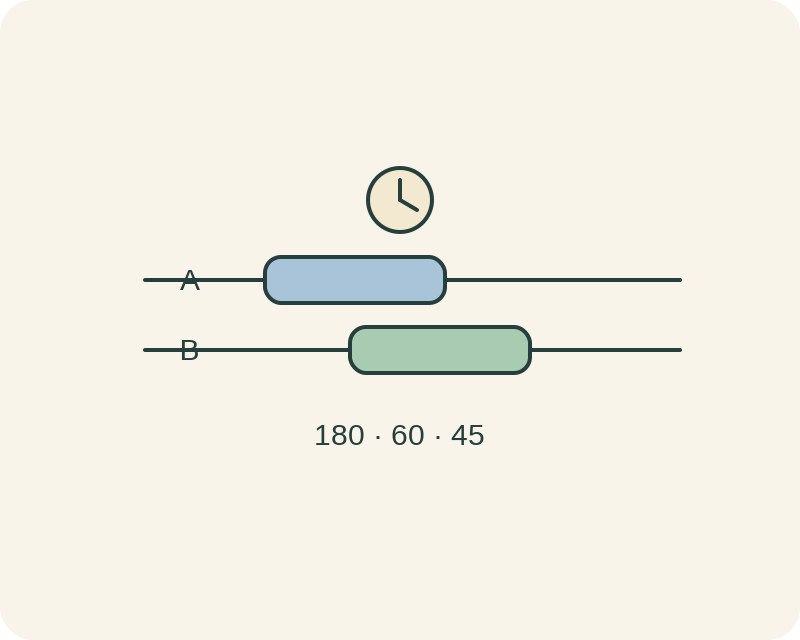
In the example both clocks start when a valid request arrives. The first stops when a team member replies with a specific next step. The second stops when the agreed solution is confirmed. Decide in advance how to treat automatic acknowledgments and reopened cases.
Atlassian documents start, pause and stop conditions for service level measurements. Use those questions to describe your agreement and its supporting records.
Set the support calendar
The fictional case uses Monday to Friday, 09:00 to 17:00, in one time zone with no holidays in the interval. Record those conditions before calculating. If a channel has a different target, keep the calendar that applies to each request.
Calendar time counts the full wait. Support time counts minutes falling within the applicable hours. The agreement should state which applies to each commitment.
Follow a request from Friday to Monday
Someone reports at 16:40 Friday that a file will not download. Support replies at 09:15 Monday, asks for a detail at 09:30, receives it at 10:15 and confirms the solution at 11:30.
| Event | Time | Record |
|---|---|---|
| Received | Friday 16:40 | Both clocks start |
| First response | Monday 09:15 | First clock stops |
| Documented wait | Monday 09:30–10:15 | 45 minutes |
| Resolution | Monday 11:30 | Second clock stops |
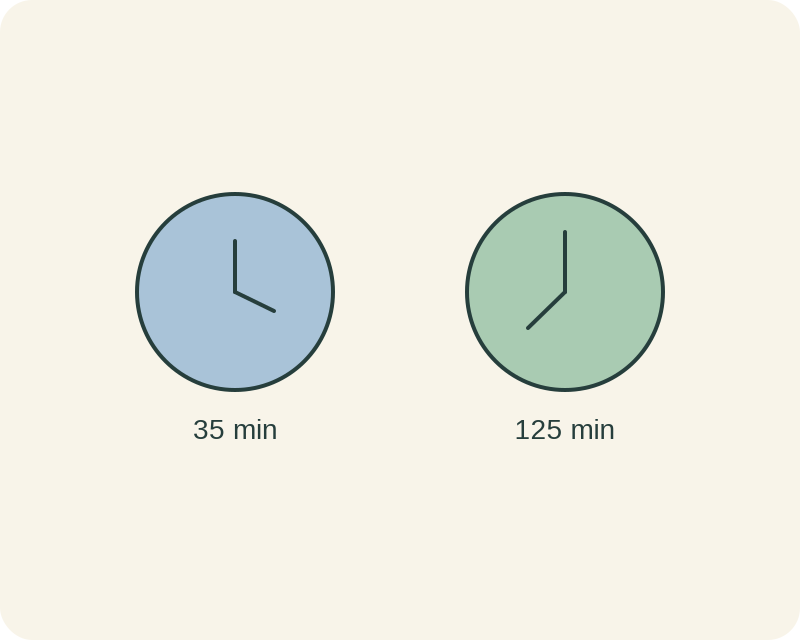
The first response uses 20 minutes on Friday and 15 on Monday, or 35 support minutes. The calendar wait was 64 hours and 35 minutes.
Apply the pause agreed for the case
Resolution takes 170 minutes within the support schedule. If the agreement pauses this clock during the documented wait, 125 minutes count. If it counts all support time, keep 170. Record the rule with the result so the difference can be checked.
A pause needs an entry and exit event. If one is missing, keep the measurement pending and consult the history. A visible state alone can conceal its duration.
Define how a reopened request is measured
If the file fails again, agree whether the previous measurement resumes or another begins. Link the new event to the original resolution so a reviewer can find both episodes and understand the count.
If the closure timestamp is an internal confirmation, identify it as such. If the agreement requires customer validation, look for that evidence too.
Keep the times with the case
Retain channel, receipt time, first response, resolution, time zone, schedule, pauses and agreed target. Recalculate a sample from original events. The impact and urgency guide helps order the queue. These clocks help review case timing under the applicable support rules.
Follow the evidence.
Sources checked November 4, 2026. Illustrative scenarios and numbers are fictional. Original exercises and records, without attributed customer results or field observations. Our editorial standards.