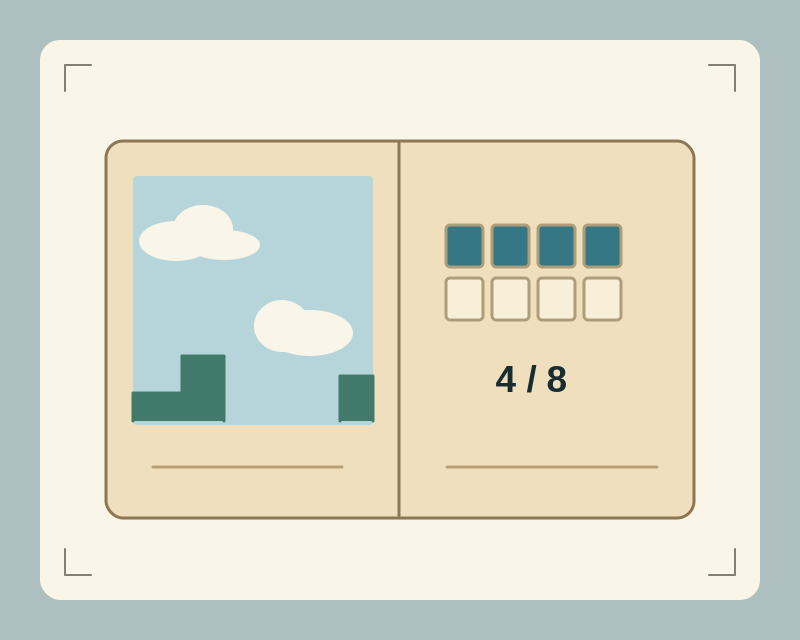
Use eighths as an approximate observation scale. Keep the date, time and obstructions so you can distinguish a change in the sky from a change in what you could see.
Choose a broad view
Find a place with room to look in several directions without looking toward the Sun. Sketch buildings and trees that block part of the sky. If you see only a strip from a window, describe that strip in your note.
Imagine eight equal parts
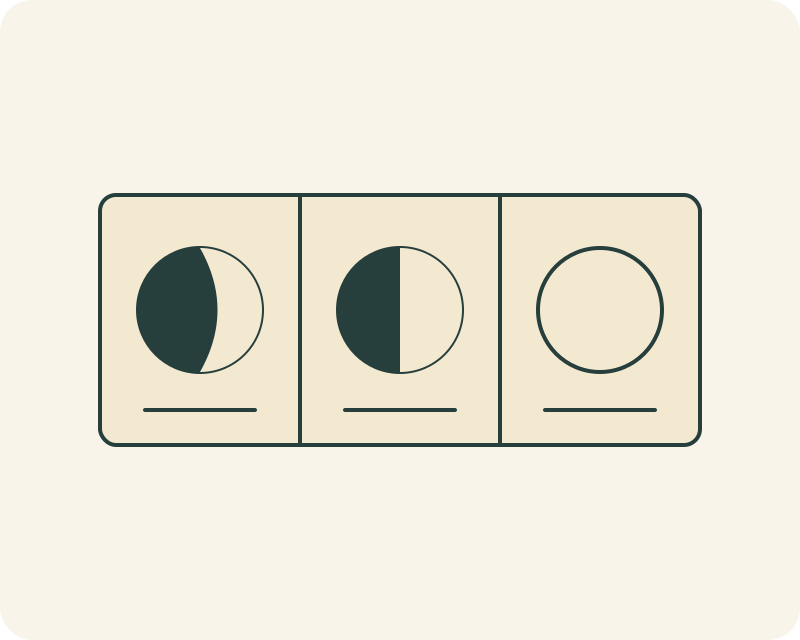
The Met Office describes cloud amount in oktas, or eighths of the sky. Imagine bringing clouds together without gaps and estimate how many of the eight parts they would fill. A fully clear sky is zero and a fully covered sky is eight.
Make a practice record
You might write “November 18, 10:00, courtyard, approximate cover 4/8” and add a drawing. This is a proposed record, not an observation made here. Note whether two layers were visible. For total coverage, count each covered area once even if clouds at different heights overlap.
Return without filling in unseen areas
Go back to the same spot at another time and make a fresh estimate. Record buildings that hide the sky or fog that prevents a view. In the meteorological convention, code nine means sky obscured by fog or other phenomena, so give it a separate note from the zero-to-eight scale.
Compare before explaining
Place two drawings side by side and mark gaps that opened or closed. If uncertain, record a range such as “between four and five eighths.” To consult expected weather, also use a forecast from a weather service.
Follow the evidence.
Sources checked November 18, 2026. The exercise scenarios and figures are fictional. Our editorial standards.