Deja el papel y la varilla en el mismo lugar. Registra hora, punta y longitud de la sombra sin mirar directamente al Sol.
Prepara una base que puedas dejar quieta
Elige una superficie horizontal con luz directa durante varias horas. Sujeta una hoja y fija un lápiz vertical de unos 15 cm. Dibuja su base y una flecha hacia un borde fijo del patio. Esa flecha te ayudará a reconocer si se movió el papel. El material educativo de la NASA propone seguir la posición de una sombra y medirla a distintas horas.
Haz tres marcas con hora
Marca la punta en la mañana, cerca de la mitad del día y por la tarde. Escribe la hora de reloj junto a cada marca. Mide desde la base del lápiz hasta la punta. Si una nube borra el contorno, registra que la punta no se distinguió y espera a otra observación.
Lee las dos cosas que cambian
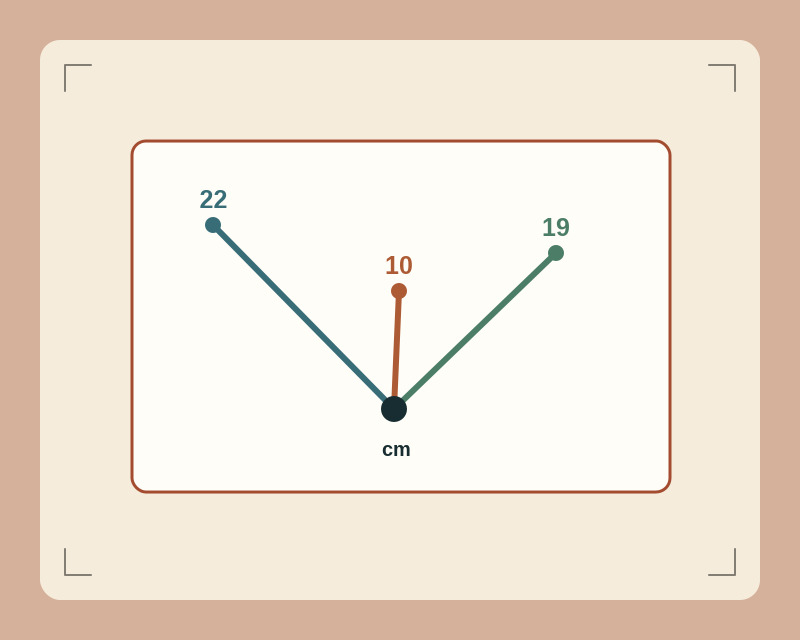
En un ejemplo inventado, las sombras miden 22, 10 y 19 cm. La central es la más corta de esas tres. Traza una línea desde la base hasta cada punto para comparar dirección y longitud. Con el lápiz fijo, una sombra más corta corresponde a un Sol más alto en el cielo.
Haz una observación adicional
Si quieres acercarte al momento de la sombra más corta, añade varias marcas en intervalos más pequeños alrededor de la menor longitud. El mediodía solar depende de la fecha y la ubicación y puede diferir de las doce del reloj. Conserva lo que viste y cuánto tiempo separa cada marca.
Guarda una hoja que puedas comparar
Anota lugar, fecha, altura del lápiz y referencia de orientación. En otro día, repite a las mismas horas con el mismo montaje. Compara las marcas como observaciones de esos dos días. El registro te permite distinguir un cambio en la sombra de un papel que giró.
A shadow map for observing the Sun from the ground
A vertical stick leaves a mark that moves during the day. With paper and a pencil you can keep that path and read it again once you are indoors.
Leave the paper and stick in the same place. Record the time, tip and length of the shadow without looking directly at the Sun.
Prepare a base that can stay put
Choose a level surface in direct light for several hours. Secure a sheet and stand a pencil about 15 cm tall upright. Draw around its base and add an arrow toward a fixed edge of the yard. The arrow helps you recognize any movement of the paper. NASA’s educational activity follows a shadow’s position and measures it at different times.
Make three timed marks
Mark the tip in the morning, near the middle of the day and in the afternoon. Write the clock time beside each mark. Measure from the pencil base to the tip. If a cloud makes the edge disappear, record that the tip was indistinct and wait for another observation.
Read the two things that change
In an invented example, the shadows measure 22, 10 and 19 cm. The middle one is the shortest of the three. Draw a line from the base to each point to compare direction and length. With the pencil fixed, a shorter shadow corresponds to a higher Sun in the sky.
Add an observation
To get closer to the shortest shadow, add several marks at shorter intervals around the lowest length. Solar noon depends on date and location and can differ from twelve o’clock. Keep what you saw and the time between marks.
Keep a sheet you can compare
Record the location, date, pencil height and orientation reference. On another day, repeat at the same times with the same setup. Compare the marks as observations from those two days. The record helps you distinguish a change in the shadow from a sheet that turned.
用地面上的影子图观察太阳
一根竖直小棒投下的影子会在一天中移动。用纸和铅笔把它的路线留住,回到室内也能再读。
纸和小棒留在原位。记录时刻、影尖和影长,观察时不要直视太阳。
准备一个能固定不动的底面
找一处水平表面,能连续几小时受到直射光。固定一张纸,再竖直固定一支约 15 厘米高的铅笔。描出底座,画一支箭头指向院子里固定的边。纸张移过位置时,这个箭头能帮助你发现。NASA 的教育活动也建议跟踪影子位置,并在不同时刻测量。
做三次带时间的标记
在早晨、接近一天中段时和下午标记影尖。每个记号旁写下钟表时间。从铅笔底座量到影尖。如果云使轮廓消失,就记下影尖看不清,等待另一次观察。
读取两种变化
在虚构例子里,影长分别是 22、10 和 19 厘米。中间一次是三次中最短的。把底座与各点连线,比较方向和长度。铅笔不动时,较短的影子对应天空中位置较高的太阳。
增加一次观察
如果想靠近影子最短的时刻,可在最短的测量前后缩小时间间隔,多标几次。太阳正午取决于日期和地点,可能和钟表上的十二点不同。保留实际看到的情况和每次标记相隔多久。
保存一张可以对照的纸
记下地点、日期、铅笔高度和方向参照。另一天按同样时刻和布置重复。把记号作为两天各自的观察来比较。记录可以帮助分清是影子变了,还是纸转动了。
Fuentes y método
Fuentes consultadas el 13 de noviembre de 2026. Los casos y datos numéricos de los ejercicios son ficticios. Editorial standards · Disclosures.