Usa los octavos como una escala de observación aproximada. Conserva fecha, hora y obstáculos para distinguir un cambio del cielo de un cambio en lo que pudiste ver.
Escoge una vista amplia
Busca un lugar con espacio para mirar en varias direcciones sin apuntar la vista al Sol. Dibuja los edificios y árboles que te tapan parte del cielo. Si solo ves una franja desde una ventana, describe esa franja en la ficha.
Imagina ocho partes iguales
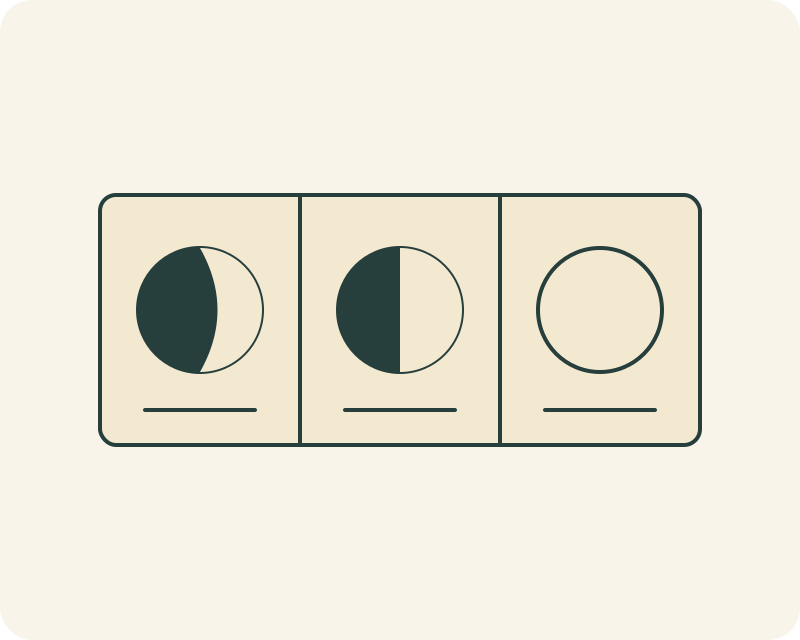
El Met Office describe la cobertura nubosa en octas, u octavos del cielo. Imagina reunir las nubes sin los huecos y estima cuántas de las ocho partes llenarían. Un cielo completamente despejado corresponde a cero y uno totalmente cubierto a ocho.
Haz una ficha de práctica
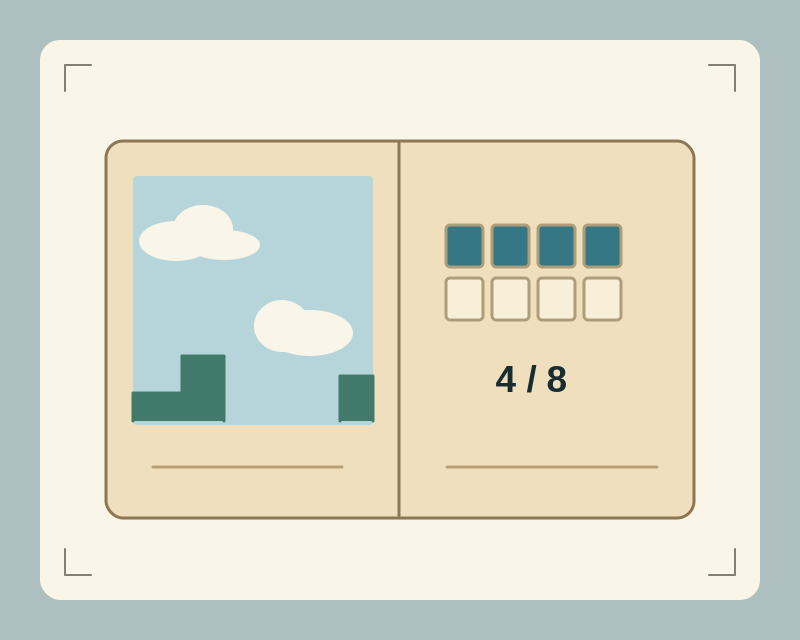
Puedes escribir «18 de noviembre, 10:00, patio, cobertura aproximada 4/8» y añadir un dibujo. Esa es una ficha propuesta, no una observación realizada. Registra si había dos capas visibles. Para la cobertura total, cuenta cada zona cubierta una vez, aunque se superpongan nubes a distintas alturas.
Repite sin completar lo que no viste
Regresa al mismo punto a otra hora y haz una estimación nueva. Si una construcción oculta parte del cielo o la niebla impide verlo, anótalo. En la convención meteorológica, el código nueve indica cielo oculto por niebla u otros fenómenos, por lo que merece una nota aparte de la escala de cero a ocho.
Compara antes de poner una explicación
Coloca dos dibujos juntos y señala qué huecos se cerraron o se abrieron. Puedes anotar una estimación como «entre cuatro y cinco octavos» cuando tengas dudas. Para consultar el tiempo previsto, usa además el pronóstico de una fuente meteorológica.
A cloud notebook for estimating how much sky is covered
The sky can contain many small clouds and still have broad blue gaps. On another day a continuous layer fills almost the entire view. A short notebook lets you observe that difference with one question: what fraction of the sky is covered?
Use eighths as an approximate observation scale. Keep the date, time and obstructions so you can distinguish a change in the sky from a change in what you could see.
Choose a broad view
Find a place with room to look in several directions without looking toward the Sun. Sketch buildings and trees that block part of the sky. If you see only a strip from a window, describe that strip in your note.
Imagine eight equal parts
The Met Office describes cloud amount in oktas, or eighths of the sky. Imagine bringing clouds together without gaps and estimate how many of the eight parts they would fill. A fully clear sky is zero and a fully covered sky is eight.
Make a practice record
You might write “November 18, 10:00, courtyard, approximate cover 4/8” and add a drawing. This is a proposed record, not an observation made here. Note whether two layers were visible. For total coverage, count each covered area once even if clouds at different heights overlap.
Return without filling in unseen areas
Go back to the same spot at another time and make a fresh estimate. Record buildings that hide the sky or fog that prevents a view. In the meteorological convention, code nine means sky obscured by fog or other phenomena, so give it a separate note from the zero-to-eight scale.
Compare before explaining
Place two drawings side by side and mark gaps that opened or closed. If uncertain, record a range such as “between four and five eighths.” To consult expected weather, also use a forecast from a weather service.
记一本云量笔记,估计云遮住多少天空
天空里有很多小云块,仍可能留着大片蓝色空隙。另一天,一层连续的云又可能遮住几乎整片天空。短短的笔记可以围绕一个问题观察差异:云盖住了天空的多大部分?
把八分制当作近似观察尺度,保留日期、时间和遮挡物,区分天空的变化与可见范围的变化。
选一个视野较宽的地点
找一个能朝几个方向观察、又不必直视太阳的地点,画下遮住天空的建筑和树。如果窗外只能看见一条天空,在笔记中说明这个范围。
想象八个等大的部分
英国气象局用八分量描述云量。想象把云聚到一起、去掉中间空隙,估计能填满八份中的几份。完全无云记零,全部被云覆盖记八。
写一份练习记录
可以写“11 月 18 日,10:00,院子,云量约 4/8”,再配图。这是建议格式,并非这里实际做过的观察。记下是否能看到两层云。计算总覆盖时,即使不同高度的云重叠,同一区域也只算一次。
重复观察,不补画看不到的区域
另一个时间回到原地点,重新估计。如果建筑挡住天空,或雾让天空看不见,就记下来。气象编码中的九表示天空被雾等现象遮蔽,因此要与零到八的云量尺度分开记录。
先比较,再解释
把两次图放在一起,指出哪些空隙消失或出现。不确定时可以写“约四到五个八分量”。需要了解未来天气时,另查气象机构的预报。
Fuentes y método
Fuentes consultadas el 18 de noviembre de 2026. Los casos y datos numéricos de los ejercicios son ficticios. Editorial standards · Disclosures.