Leave the paper and stick in the same place. Record the time, tip and length of the shadow without looking directly at the Sun.
Prepare a base that can stay put
Choose a level surface in direct light for several hours. Secure a sheet and stand a pencil about 15 cm tall upright. Draw around its base and add an arrow toward a fixed edge of the yard. The arrow helps you recognize any movement of the paper. NASA’s educational activity follows a shadow’s position and measures it at different times.
Make three timed marks
Mark the tip in the morning, near the middle of the day and in the afternoon. Write the clock time beside each mark. Measure from the pencil base to the tip. If a cloud makes the edge disappear, record that the tip was indistinct and wait for another observation.
Read the two things that change
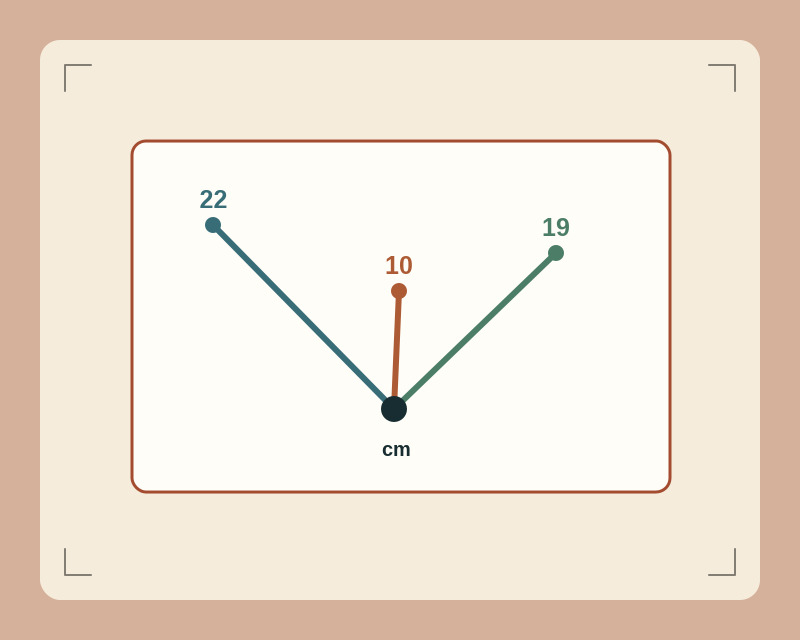
In an invented example, the shadows measure 22, 10 and 19 cm. The middle one is the shortest of the three. Draw a line from the base to each point to compare direction and length. With the pencil fixed, a shorter shadow corresponds to a higher Sun in the sky.
Add an observation
To get closer to the shortest shadow, add several marks at shorter intervals around the lowest length. Solar noon depends on date and location and can differ from twelve o’clock. Keep what you saw and the time between marks.
Keep a sheet you can compare
Record the location, date, pencil height and orientation reference. On another day, repeat at the same times with the same setup. Compare the marks as observations from those two days. The record helps you distinguish a change in the shadow from a sheet that turned.
Follow the evidence.
Sources checked November 13, 2026. The exercise scenarios and figures are fictional. Our editorial standards.