Start with a checked balance and place each collection and payment in its period. Recalculate a delay as a separate scenario, retaining forecast and actual movements.
Define the balance and horizon
Choose a cutoff date, one currency and the accounts included. Check available balance under those accounts’ conditions; do not add undrawn credit lines as though they were your own cash. Also identify funds unavailable for the exercise’s payments.
BDC recommends considering when customers pay and comparing projections with actual figures. Our example uses two weeks to show the mechanism; it prescribes no universally sufficient horizon and reproduces no institutional template.
Give each movement a date and support
For a collection, retain amount, expected date, reference and unresolved condition. For a payment, identify amount, due date and owner. Include relevant movements across the chosen scope, rather than only the most memorable project. Distinguish an agreed date from your own estimate.
An unaccepted proposal can remain an opportunity outside the base scenario. An expected collection also stays unreceived until checked. Record partial payments separately to avoid counting both the full amount and its deposit.
Reconstruct two weeks and an alternative
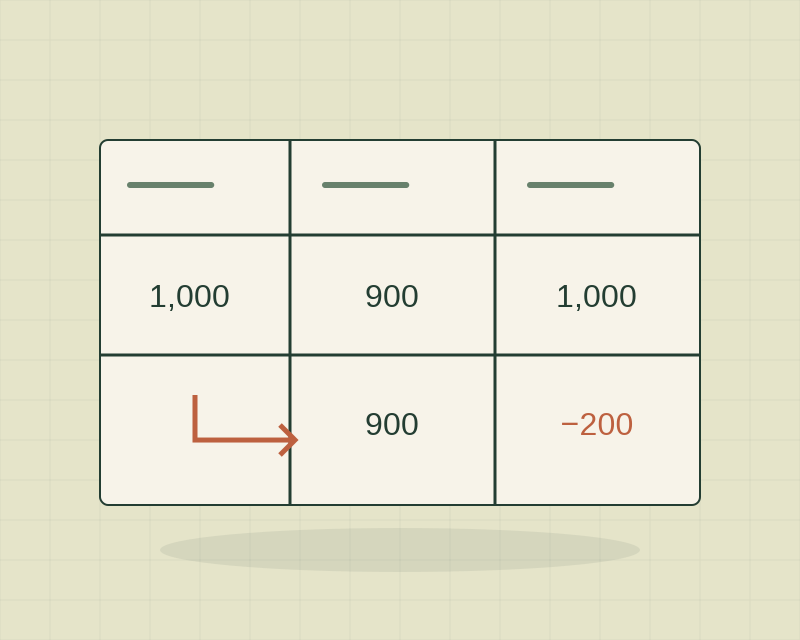
In this fictional case, opening balance is 1,000 monetary units. A deposit of 600 is expected in week one and a remaining collection of 1,200 in week two. Expected payments are 700 and 1,100 respectively. This simplified example has no other movements.
| Case | Opening | Collections | Payments | Projected closing |
|---|---|---|---|---|
| Week 1 | 1,000 | 600 | 700 | 900 |
| Week 2: base | 900 | 1,200 | 1,100 | 1,000 |
| Week 2: delayed collection | 900 | 0 | 1,100 | −200 |
The third row replaces the second; it is not another week to add. The formula is opening plus collections minus payments. The −200 identifies a scenario shortfall: it authorizes no actual negative balance and establishes no available financing.
Find the date that changes the decision
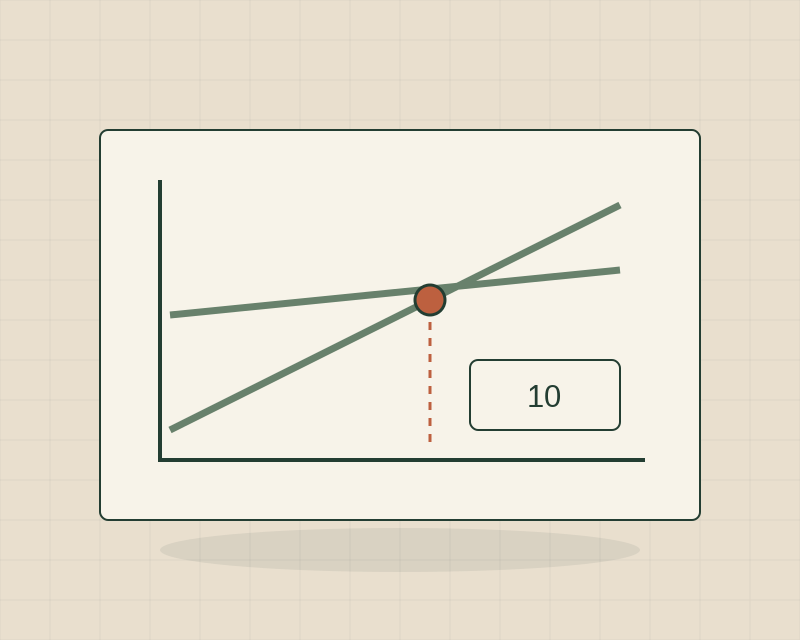
If the 1,100 payment is due before the 1,200 arrives, even a positive weekly closing balance can hide an interim shortage. Where that difference matters, break down days or specific dates instead of relying only on a weekly total.
The calendar identifies which condition needs confirmation and which conversation to have. Do not unilaterally change a due date in the sheet to make the balance work. A collection or payment change needs its own agreement and record.
Keep cash and results as different questions
This calendar represents expected money inflows and outflows. It does not calculate accounting profit: collection timing alone does not explain revenue recognition, and some movements have another nature. Our service break-even guide asks how many units would cover costs under its assumptions.
Our stocks and flows distinction helps retain cutoffs and periods. Here the practical decision is when money would be available for concrete commitments; neither a sale nor a margin calculation answers that question alone.
Close each period without erasing the forecast
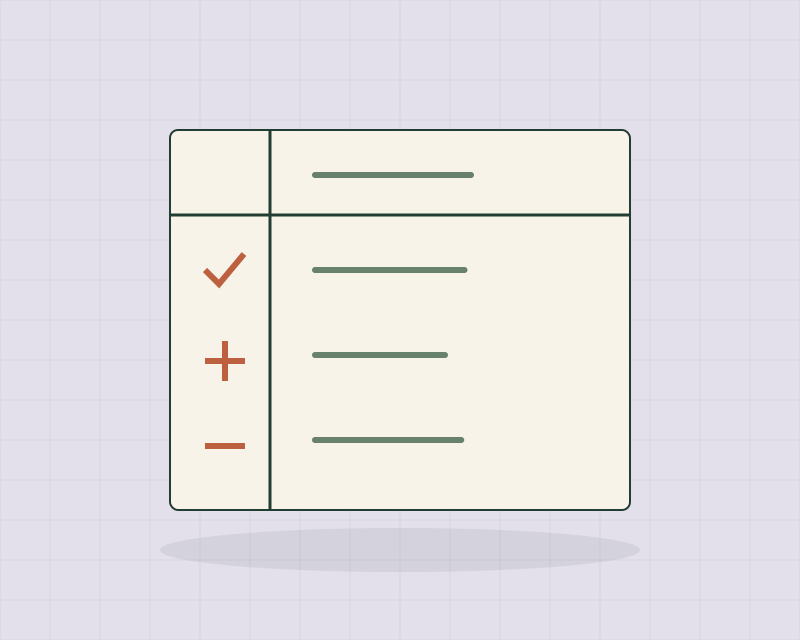
- Checked opening balance and calendar scope.
- Expected movements with dates and references.
- Actual collections and payments, checked separately.
- Difference from forecast and available explanation.
- Open items carried forward without duplication.
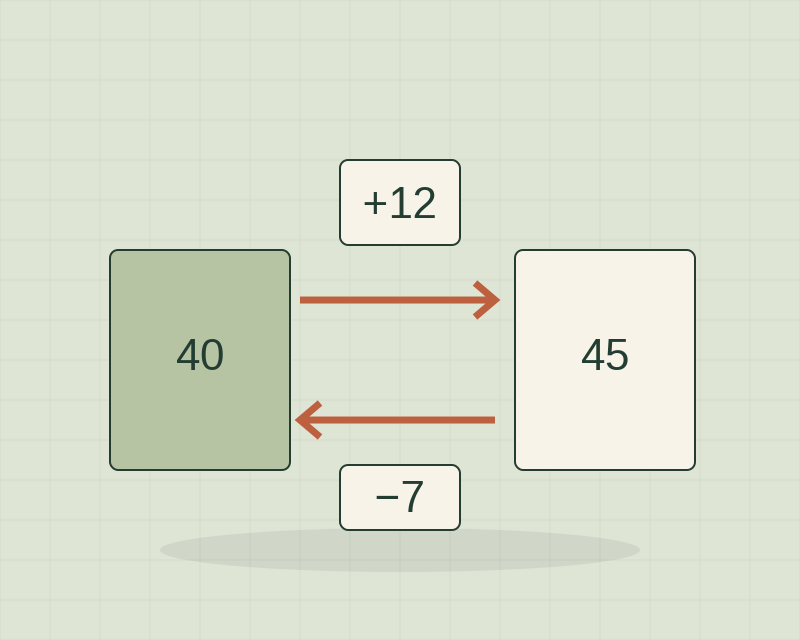
Our weekly review supports follow-up on those differences. This educational exercise organizes a forecast limited to included data; it neither replaces a complete liquidity analysis nor recommends a financing decision.
Follow the evidence.
Sources checked October 23, 2026. Illustrative scenarios and numbers are fictional. The records and exercises are original editorial proposals, without attributed customer results or provider tests. Our editorial standards.