Separa hechos, interpretaciones y decisiones. Elige una acción que puedas comprobar en la siguiente revisión, conservando también lo que decidiste posponer.
Reúne un conjunto pequeño de referencias
Abre los compromisos aceptados, las entregas de la semana, las preguntas de clientes y las pruebas que realmente realizaste. No necesitas copiar todo a otro sistema. Basta con enlaces o referencias que permitan volver al material autorizado. Una idea recordada y una respuesta escrita no tienen la misma fuerza.
El manual de GOV.UK describe retrospectivas de equipos que revisan qué funciona y qué necesita corregirse. Tomamos esa pregunta como referencia para este ejercicio individual. No trasladamos su duración ni su estructura de equipo como una obligación para quien trabaja por su cuenta.
Distingue hecho, lectura y decisión pendiente
En un caso ficticio, dos personas preguntaron qué incluye un servicio y ninguna pidió todavía una propuesta. El hecho es que existen dos preguntas. “La oferta no interesa” sería una interpretación; “¿falta explicar el alcance?” es una pregunta que puede investigarse. Una semana corta no representa todo el mercado.
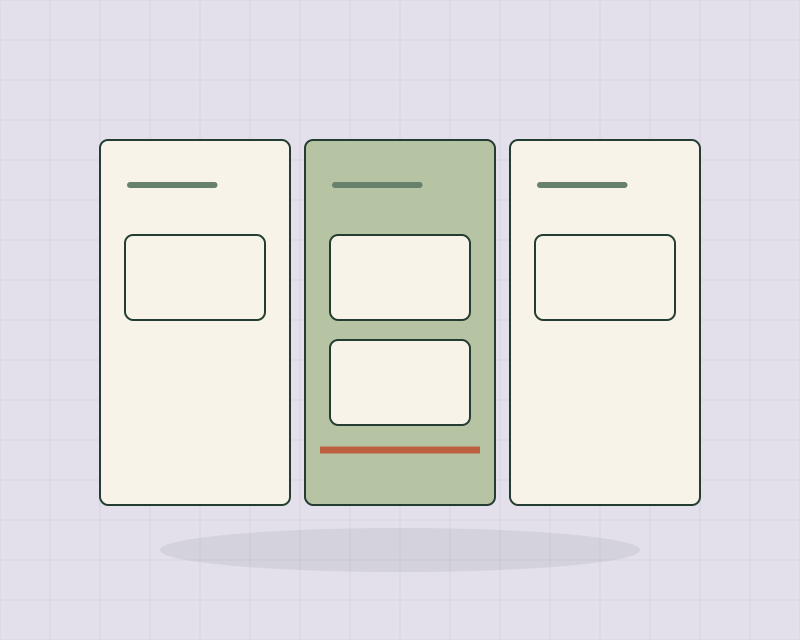
Usa tres columnas antes de actuar: qué observaste, qué interpretación propones y qué dato falta. La guía de validación ayuda a conservar la diferencia entre interés, compromiso y capacidad de entregar. Aquí revisas lo aprendido durante una semana concreta.
Vuelve a lo que prometiste
Comprueba qué compromisos terminaron, cuáles continúan y cuáles cambiaron de condición. Si esperas un insumo, registra qué afecta y qué comunicación debes hacer. No confundas “no trabajé en esto” con “ya no tiene importancia”: quizá sigue existiendo una promesa que necesita atenderse.
La revisión de trabajo abierto muestra carga y bloqueos. La revisión semanal usa esa información para decidir si mantener una actividad, modificarla o detener una iniciativa que todavía no constituye un compromiso con otra persona.
Convierte tres asuntos en decisiones distintas
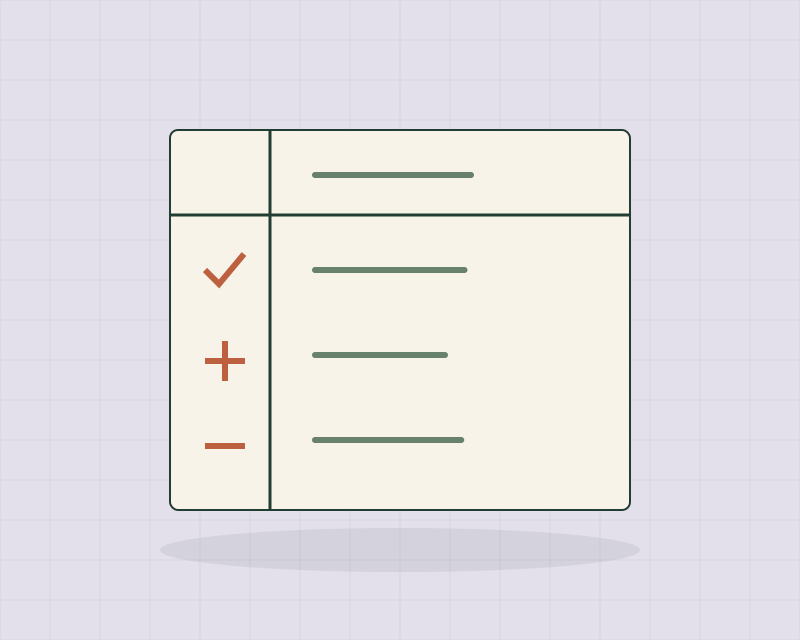
| Asunto observado | Decisión propuesta | Comprobación siguiente |
|---|---|---|
| Dos dudas sobre el alcance | Revisar la explicación con un ejemplo concreto | ¿La persona puede decir qué incluye? |
| Material de un encargo aún pendiente | Confirmar el insumo con el contacto acordado | ¿Cambió la condición de entrega? |
| Idea de un servicio nuevo sin investigar | Posponer su promoción | ¿Existe evidencia nueva para retomarla? |
Ninguna fila exige hacer todo en la misma semana. Una decisión de posponer necesita un motivo y una condición para volver, en lugar de reaparecer como tarea urgente cada lunes. La tabla es ilustrativa, no el resultado de una revisión realizada con clientes.
Elige una prioridad con un cierre visible
Entre las acciones bajo tu control, elige una que pueda reducir una incertidumbre importante o atender un compromiso. Define el resultado: “preparar un ejemplo de alcance y revisarlo con una persona” permite comprobar qué ocurrió. “Mejorar las ventas” todavía no define ese trabajo.
Anota qué quedará fuera para que la prioridad no sea solo otra fila añadida. La planificación de jornada ayuda después a reservar capacidad real. Este ejercicio no obliga a convertir el tiempo personal en recursos de emergencia del negocio.
Deja una nota que puedas revisar sin reconstruir la semana
Registra fecha, evidencia, decisión, motivo, responsable y condición de revisión. En la siguiente sesión pregunta qué cambió y qué quedó sin comprobar. Conserva la decisión anterior aunque ahora la sustituyas: entender por qué cambiaste de idea evita describir una intuición reciente como si siempre hubiera sido el plan.
Si varias acciones quedaron abiertas, reduce el alcance de la próxima revisión. El resultado útil es una decisión informada y un compromiso reconocible, no una puntuación de productividad ni una garantía de crecimiento.
A Weekly Review That Ends in Business Decisions
Reviewing a week need not become another task inventory. Its value lies in recognizing what changed, which commitments remain and which decision requires the evidence already available.
Separate facts, interpretations and decisions. Choose an action you can check at the next review, retaining what you deliberately postponed too.
Gather a small set of references
Open accepted commitments, the week’s deliveries, customer questions and tests actually performed. You do not need to copy everything into another system. Links or references that return to authorized material are enough. A remembered idea and a written response do not carry the same weight.
GOV.UK’s manual describes team retrospectives reviewing what works and what needs correction. We use that question as a reference for this individual exercise, without imposing its meeting length or team structure on a person working alone.
Distinguish fact, interpretation and open decision
In a fictional case, two people asked what a service includes and neither has requested a proposal yet. The fact is that two questions exist. “The offer attracts no interest” would be an interpretation; “Does the scope need explanation?” is a question to investigate. One short week does not represent the whole market.
Use three columns before acting: what you observed, the interpretation proposed and missing information. Our validation guide helps distinguish interest, commitment and ability to deliver. Here you review learning from a particular week.
Return to what you promised
Check which commitments ended, which continue and which changed conditions. When awaiting an input, record what it affects and what communication is needed. Do not confuse “I did not work on this” with “it no longer matters”: a promise may still need attention.
The open-work review shows workload and blockers. The weekly review uses that information to decide whether to keep or change an activity, or stop an initiative that is not yet a commitment to another person.
Turn three issues into different decisions
| Observed issue | Proposed decision | Next check |
|---|---|---|
| Two scope questions | Review the explanation with a concrete example | Can the person explain what is included? |
| Job material still missing | Confirm the input with the agreed contact | Did the delivery condition change? |
| Unresearched new service idea | Postpone promotion | Is there new evidence to revisit it? |
No row requires doing everything in the same week. Postponement needs a reason and a return condition, rather than resurfacing as an urgent task every Monday. The table is illustrative, not the result of a customer review performed.
Choose a priority with visible completion
Among actions under your control, choose one that can reduce important uncertainty or meet a commitment. Define the result: “prepare a scope example and review it with one person” allows a later check. “Improve sales” does not yet define that work.
Record what stays outside so the priority is more than an additional row. Workday planning then helps reserve actual capacity. This exercise does not require turning personal time into the business’s emergency resources.
Leave a note you can review without rebuilding the week
Record date, evidence, decision, reason, owner and review condition. Next time, ask what changed and what remains unchecked. Retain the earlier decision even when replacing it: understanding why your view changed prevents describing a recent intuition as the plan all along.
If several actions stayed open, narrow the next review. The useful result is an informed decision and a recognizable commitment, rather than a productivity score or growth guarantee.
让每周复盘以业务决定结束
回顾一周不必再做一次任务清单。它的价值在于识别什么改变了、哪些承诺仍有效,以及已有证据要求作出什么决定。
区分事实、解释与决定。选择一项下次能够核对的行动,也保留主动推迟的事项。
收集少量可返回的依据
打开已接受的承诺、本周交付、客户问题及实际做过的测试。无须把所有东西复制进另一个系统。保留能返回授权材料的链接或位置即可。记忆中的想法与书面答复,不具有相同分量。
GOV.UK 手册描述团队回顾哪些事情有效、哪些需要纠正的复盘。本篇借用这一提问方向,设计个人练习,不把其时长或团队结构强加给独立经营者。
区分事实、解释与待决问题
虚构案例中,两个人询问服务包含什么,但尚未要求提案。事实是有两个问题。“没人对服务感兴趣”属于解释;“是否需要说明范围?”才是可调查问题。短短一周不能代表整个市场。
行动前分三栏:观察、提出的解释、缺少的信息。本站验证指南帮助区分兴趣、承诺和交付能力。这里审核的是某一周具体学到了什么。
回到已经作出的承诺
核对哪些承诺结束、哪些继续、哪些条件改变。等待输入时,记下影响及需要沟通的事项。不要把“我没处理它”误认为“它已不重要”;可能仍有一个承诺需要照顾。
未完成工作审核显示负荷和阻碍。每周复盘利用这些信息,决定保留、修改活动,或停止尚未构成对他人承诺的尝试。
把三个事项转成不同决定
| 观察事项 | 建议决定 | 下次核对 |
|---|---|---|
| 两次范围疑问 | 用具体例子审核说明 | 对方能说出包含什么吗? |
| 委托材料仍缺失 | 向约定联系人确认输入 | 交付条件改变了吗? |
| 新服务想法尚未研究 | 推迟宣传 | 是否有新证据值得重启? |
没有哪行要求同一周做完一切。推迟需要理由和返回条件,而不是每周一都重新成为急事。表格只作说明,不是实际客户复盘的成果。
选择有可见终点的优先事项
在可控制的行动中,选一项能减少重要不确定性或照顾承诺的事。明确结果:“准备范围例子,并请一人审核”能够事后核对;“改善销售”尚未定义这项工作。
写明哪些事情暂不纳入,避免优先事项只是多加一行。之后可用工作日规划安排真实能力。练习不要求把个人时间变成业务的应急资源。
留下一份无须重建整周的笔记
记录日期、证据、决定、理由、负责人和复查条件。下次问清什么改变、什么尚未核对。即使替换决定,也保留旧版;理解为什么改变想法,能避免把最近的直觉说成一直以来的计划。
多项行动持续未完成时,缩小下一次审核范围。有用成果是有依据的决定和可识别承诺,不是生产力评分,也不是增长保证。
Fuentes y método
Fuentes consultadas el 20 de octubre de 2026. Los escenarios y cifras ilustrativos son ficticios. Las fichas y ejercicios son propuestas editoriales originales, sin resultados de clientes ni pruebas de proveedores atribuidos. Editorial standards · Disclosures.