Busca dónde se registró primero el gasto y cuánto corresponde a importaciones. Calcula la diferencia con valores del mismo periodo y de la misma economía.
Lee los términos de la cuenta
En el enfoque por gasto, el PIB suma consumo, inversión, gasto de consumo e inversión del gobierno y exportaciones, y resta las importaciones. En los primeros componentes puede aparecer gasto en bienes de origen nacional o extranjero. La resta permite conservar en el total la producción realizada dentro de la economía.
Sigue una compra completa
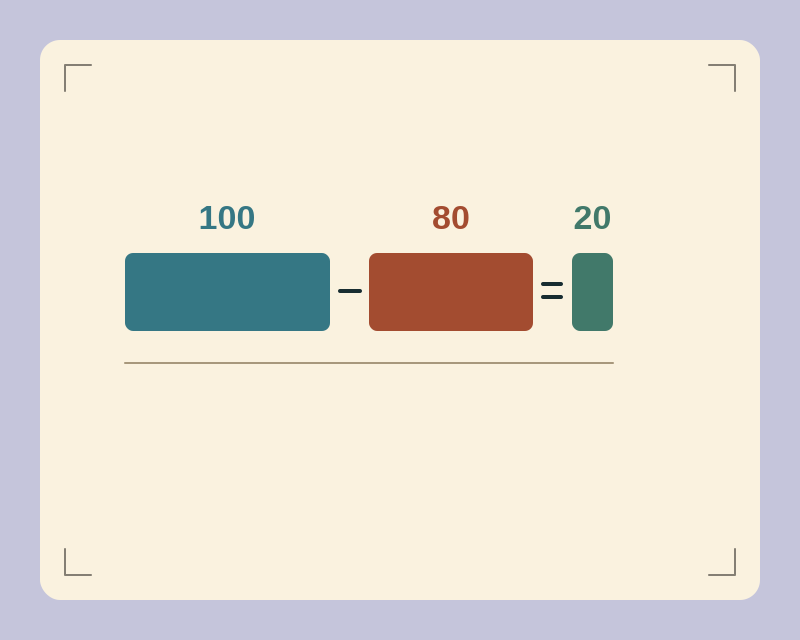
En el ejemplo ficticio, el hogar paga 100 y el valor importado es 80. Supón que la compra, la importación y la venta ocurren en el mismo periodo, sin impuestos ni otros ajustes. El ejercicio suma 100 al consumo y resta 80 de importaciones. Quedan 20 atribuibles a la distribución local, bajo esos supuestos.
Prueba otro caso antes de interpretar el signo
Si el hogar compra por 100 un producto completamente nacional en el mismo ejercicio, se suman 100 al consumo y no se resta una importación por esa operación. Para comparar escenarios reales haría falta saber qué producción, inventarios y otros gastos cambian junto con esa compra.
Lee con cuidado una contribución publicada
Una contribución negativa de las importaciones puede coincidir con un aumento del consumo o la inversión. Busca si la tabla presenta niveles, tasas o contribuciones al crecimiento. Si usa magnitudes reales encadenadas, usa las contribuciones publicadas, pues sus niveles no necesariamente suman.
Guarda la explicación con la tabla
Apunta periodo, país, enfoque y unidad. Para el ejercicio, la frase comprobable sería «la compra sumó 100 al consumo y restó 80 por el valor importado». Esa cuenta permite explicar de dónde salen los 20.
Why the expenditure approach to GDP subtracts imports
A shop buys a lamp abroad for 80 currency units and sells it to a household for 100. The household purchase goes into consumption, but part of that price reflects production abroad. The expenditure approach to GDP adjusts for that inclusion.
Find where spending was first recorded and how much represents imports. Work through the difference using values for the same period and economy.
Read the terms of the calculation
The expenditure approach adds consumption, investment, government consumption and investment, and exports, then subtracts imports. The first components can include spending on both domestically and foreign-produced items. Subtracting imports keeps production within the economy in the total.
Follow one purchase through the calculation
In the fictional example, the household pays 100 and the import value is 80. Assume import and retail sale take place in the same period, with no taxes or other adjustments. The exercise adds 100 to consumption and subtracts 80 in imports. Under those assumptions 20 remains attributable to local distribution.
Try another case before interpreting the sign
If the household spends 100 on a fully domestic product in the same exercise, 100 goes into consumption and there is no import subtraction for that transaction. Comparing real scenarios would require knowing what changes in production, inventories and other spending alongside the purchase.
Read a published contribution carefully
A negative contribution from imports can coincide with rising consumption or investment. Look for whether the table reports levels, rates or contributions to growth. If it uses chained real measures, use the published contributions because the levels need not add up.
Keep the explanation with the table
Record the period, country, approach and unit. For the exercise, a checkable statement is “the purchase added 100 to consumption and subtracted 80 for import value.” That calculation accounts for the 20.
为什么支出法计算 GDP 时要减去进口
一家商店以 80 个货币单位从海外购入一盏灯,再以 100 卖给一个家庭。家庭支付的钱计入消费,但价格的一部分对应国外生产。用支出法计算 GDP 时,要把这部分调整掉。
先找出支出最初记在哪里,再找出其中的进口价值。用同一经济体、同一时期的数据计算差额。
读懂各个项目
支出法把消费、投资、政府消费和投资以及出口相加,然后减去进口。前面的项目可能包含对本国产品和外国产品的支出。扣减进口后,总额反映在本经济体内完成的生产。
跟踪一笔完整的购买
在虚构例子中,家庭支付 100,进口价值为 80。假设进口和零售发生在同一时期,没有税费或其他调整。消费增加 100,进口扣去 80。在这些假设下,剩下的 20 归于本地流通环节。
解释正负号之前,换个例子
如果同一练习中的家庭花 100 买的是完全在国内生产的商品,消费同样增加 100,这笔交易没有进口可扣。要比较真实情景,还得知道生产、存货和其他支出会随购买发生什么变化。
仔细阅读公布的增长贡献
进口的贡献为负时,消费或投资仍可能增加。先看表格列的是水平值、增长率还是增长贡献。如果使用链式实际量,应查看已公布的贡献值,因为链式水平值未必能相加。
把解释和表格一起保存
记下时期、国家、核算方法和单位。本例可以这样写:“这笔购买给消费增加 100,并扣去 80 的进口价值。”读者据此就能追溯剩余的 20。
Fuentes y método
- U.S. Bureau of Economic Analysis · The Expenditures Approach to Measuring GDP ↗
- U.S. Bureau of Economic Analysis · NIPA Handbook, Chapter 2 ↗
- U.S. Bureau of Economic Analysis · How do I use chain-type indexes? ↗
Fuentes consultadas el 16 de noviembre de 2026. Los casos y datos numéricos de los ejercicios son ficticios. Editorial standards · Disclosures.