Define output and intermediate inputs for the same period. Subtract the inputs used and keep sales receipts, payments and components of value added separate.
Start by defining production
The U.S. Bureau of Economic Analysis, or BEA, explains value added as gross output less intermediate inputs. Those inputs include goods and services consumed in production. To practice the relationship, choose one production stage and period.
Gross output can include more than sales, such as inventory change. In the simplified example all output sells in the same period, and that assumption is made explicit.
Follow an input from one stage to another
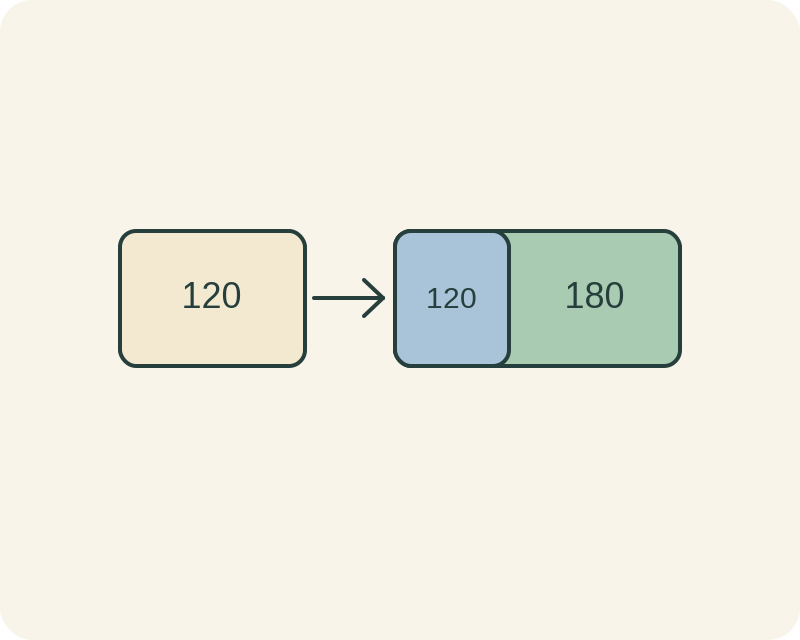
Imagine two fictional workshops. The first makes panels and sells them to the second for 120 monetary units. The second consumes all those panels and sells finished shelves for 300. Assume the first workshop buys no intermediate inputs and the second consumes only the panels.
| Stage | Gross output | Intermediate inputs | Value added |
|---|---|---|---|
| Panels | 120 | 0 | 120 |
| Shelves | 300 | 120 | 180 |
The second workshop adds 300 − 120 = 180. Adding 120 and 180 gives 300 for the two stages under these assumptions.
Identify the amount counted twice
Adding gross output across the stages gives 420. That sum includes 120 for the panels as output of the first workshop and within the value of the shelves that incorporate them. Value added separates the contribution of each stage before adding.
Keep both amounts with their labels. Gross output describes activity at the stages. Value added addresses their combined contribution in this case.
Place labor and other components
In BEA’s industry accounts, value added includes employee compensation, taxes on production and imports net of subsidies, and gross operating surplus. The example figure therefore still contains components that need separating to answer how much is left for owners.
Classification depends on the nature of the item. Employee wages and a service purchased from another firm receive different treatment in these accounts.
Check the scope of a published figure
In a report, look for industry, period, price basis and gross output definition. Current-price and price-adjusted series need different readings. The nominal and real values guide explains why the reference matters.
If you compare two industries, keep the methodological notes for each series. Measurement rules can reflect how each activity is organized.
Keep the formula and assumptions
For this case, write that shelves have gross output of 300, consume 120 in panels and contribute 180 in value added. Retain the assumption limiting the inputs as well. The calculation can be reproduced, and a question about profit or cash needs its own records.
Follow the evidence.
Sources checked November 4, 2026. Illustrative scenarios and numbers are fictional. Original exercises and records, without attributed customer results or field observations. Our editorial standards.