Link input lot, work order, finished batch and dispatch. Practice both directions on a small case and expose any missing relationships.
Identify the unit you will follow
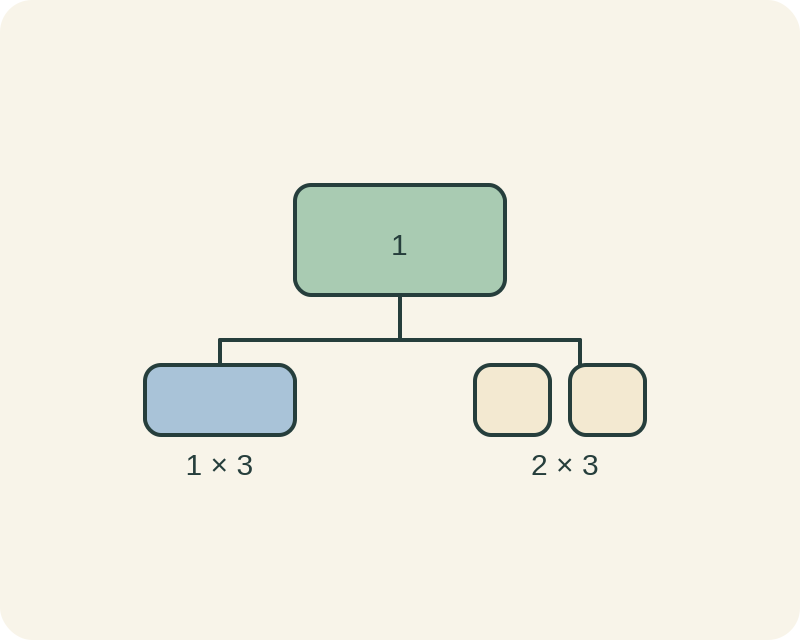
A fictional workshop makes model C4. Its catalog reference identifies the notebook. To follow a particular run, the workshop adds a batch identifier and agrees when a new batch begins. Choose a scope the team can label and record consistently.
Keep product and batch identifiers together. A readable label pointing to a verifiable row is more useful than a code only its author understands.
Record three moments in the work
At receipt, link the material lot to its supplier reference and accompanying document. In production, record which inputs a work order used and the finished batch it produced. At dispatch, retain the link between finished batch, quantity and destination document.
GS1’s traceability standard describes linking transformation inputs and outputs. This exercise uses invented internal references and can be practiced on paper or a simple spreadsheet.
Follow a case with two finished batches
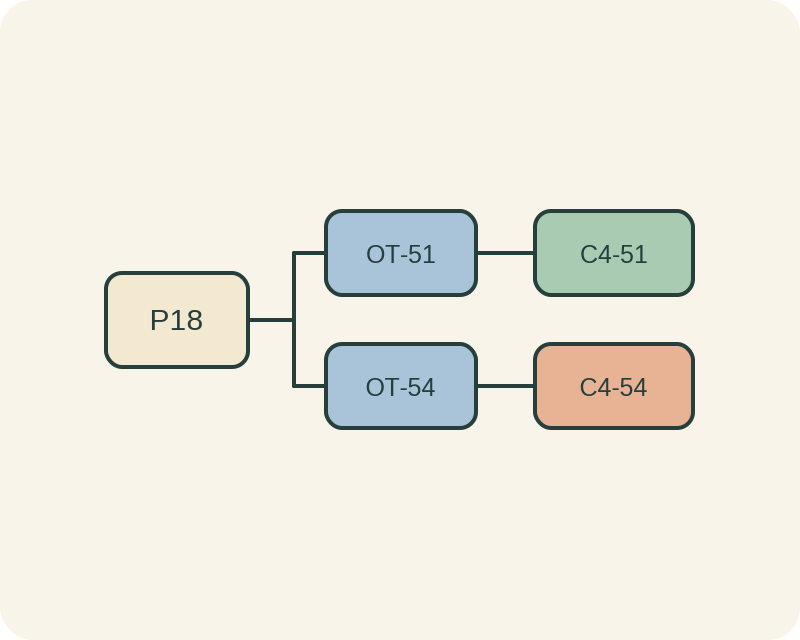
In the fictional workshop, paper P18 went into two work orders. Each finished batch has a separate dispatch destination. Quantities count notebooks and are recorded at dispatch.
| Paper | Work order | Finished batch | Dispatch |
|---|---|---|---|
| P18 | OT-51 | C4-51 | S-071 · 12 units |
| P18 | OT-54 | C4-54 | S-074 · 8 units |
| P19 | OT-58 | C4-58 | S-078 · 10 units |
Starting at S-074 leads to C4-54 and P18 through OT-54. Starting at P18 leads to C4-51 and C4-54 and their dispatches. The third row sits outside that relationship in this record.
Keep splits, mixtures and pending data
When a finished batch goes to two destinations, record two dispatches. If an order uses two paper lots, retain both links. A single field storing only the latest value would lose part of the path.
When a reference is missing, mark it pending and seek the document or label that could clarify it. Distinguish a confirmed link from one that seems likely because the dates are close.
Ask for a lookup without extra explanation
Give someone a dispatch identifier and ask them to find its input. Then provide a material lot and ask them to find every recorded dispatch. Record where the trail stops and what remains to review.
Keep units, dates, owners and document references. The result describes how well you can follow existing data. Material quality questions require their own checks.
Fix the point where information is lost
If labels separate from materials at the worktable, examine how to retain the reference before changing tools. If information reaches the record late, agree who records each movement and how corrections are reviewed.
A bill of materials describes what a product requires under a version. Batch records add the history of inputs used and dispatches documented in a particular operation.
Follow the evidence.
Sources checked November 3, 2026. Illustrative scenarios and numbers are fictional. Original exercises and records, without attributed customer results or field observations. Our editorial standards.