Identify product, version, base unit and each component quantity. Multiply consistently and review stock availability and operations separately.
Define one finished unit
Choose a concrete reference: a desk kit containing one tray and two cups, for example. This fictional composition is for arithmetic practice. It describes neither an available product, an accepted order nor completed manufacturing.
Microsoft describes a bill of materials as components required to produce a product. Make the finished reference and base unit explicit. If a record describes ten kits, its quantities cannot be read as quantities for one.
Write component references and units
Give each piece a recognizable reference and a unit: pieces, meters or grams as appropriate. Retain dimensions or variants affecting compatibility. “Two cups” is insufficient when assembly requires a particular model that could be confused with another.
Odoo documents components and quantities in bills of materials. We use that conceptual structure in our own table; you need not configure software before checking whether quantities are defined properly.
Multiply a simple composition
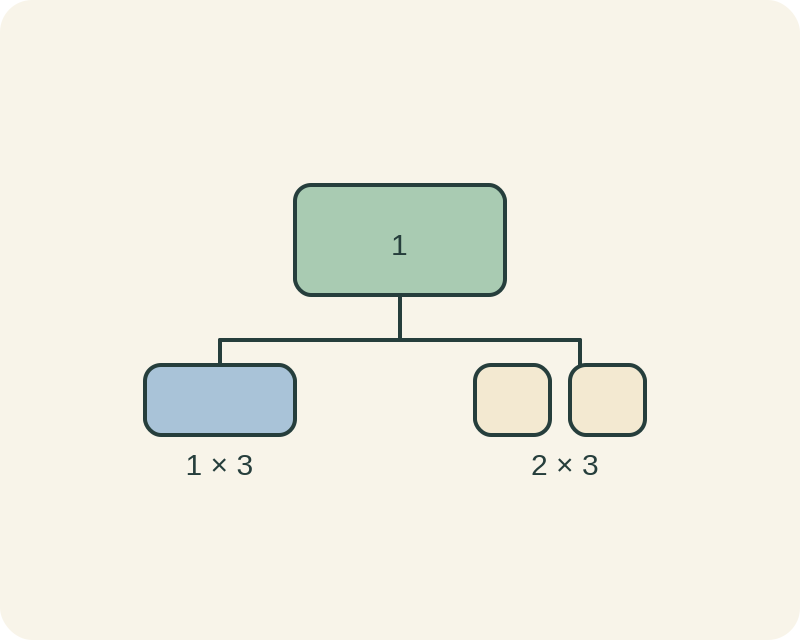
Version A in our example describes one finished kit: one tray B and two cups V. For three kits of that version, multiply every base quantity by three.
| Component | Per 1 kit | For 3 kits |
|---|---|---|
| Tray B | 1 piece | 3 pieces |
| Cup V | 2 pieces | 6 pieces |
The result is three trays and six cups. That is not nine kits: nine sums pieces of two kinds. The finished unit’s identity remains different from its components’ units.
Separate requirement and availability
The table describes what is required under those assumptions, not what is free to use. A real order needs checks on stock, reservations, condition and references. Recorded inventory may already be committed elsewhere.
Do not automatically subtract a similar product as a substitute. Confirm compatibility and authorization first. The reorder-point guide asks when to replenish; this list asks what constitutes the unit.
Retain the version used
If version B includes three cups, identify when and where it applies. Do not silently overwrite version A while it still explains earlier deliveries. Record who confirmed the composition and its supporting sample or specification.
Color variants and composition changes may need different rules. The variant guide preserves sellable identity. Here we retain the connection between that reference and its pieces, preventing mixed lists during calculation.
Connect the process without confusing it with the list
A bill of materials alone does not describe assembly order, tools, final inspection or time needed. Prepare those instructions separately and link the references. A piece count also establishes neither complete cost nor capacity to deliver by a date.
Before expanding the batch, ask someone else to reconstruct three kits’ requirements from the record alone. Note uncertainty about unit, reference or version. This is a proposed trial; the example claims neither completed assembly nor delivery.
Follow the evidence.
Sources checked November 2, 2026. Illustrative scenarios and numbers are fictional. Original exercises and records, without attributed customer results or field observations. Our editorial standards.