Describe transaction participants and recipients of an external effect; distinguish the effect’s existence from its monetary valuation.
Map who is inside the exchange
In the fictional case, a workshop makes parts for a customer. The workshop pays for materials and labor; the customer receives parts. A neighboring studio, neither buying nor selling in that transaction, must reorganize activities because of noise reaching it.
OpenStax calls an exchange’s effect on outside third parties an externality. Under its assumptions, the example identifies a negative externality. It does not claim a real workshop exists, noise was measured or legal responsibility established.
Separate private cost and external effect
Materials purchased by the workshop belong to its private costs. An unpaid materials invoice remains its own commitment; nonpayment does not turn it into an externality. The criterion is not whether cash left today, but who bears the effect described.
The neighboring studio’s reorganization is a separate question. Valuing it would require evidence about activities changed, duration and alternatives. Observing a nuisance does not automatically establish a monetary amount or attribute every neighboring loss to it.
Reconstruct a model with given values
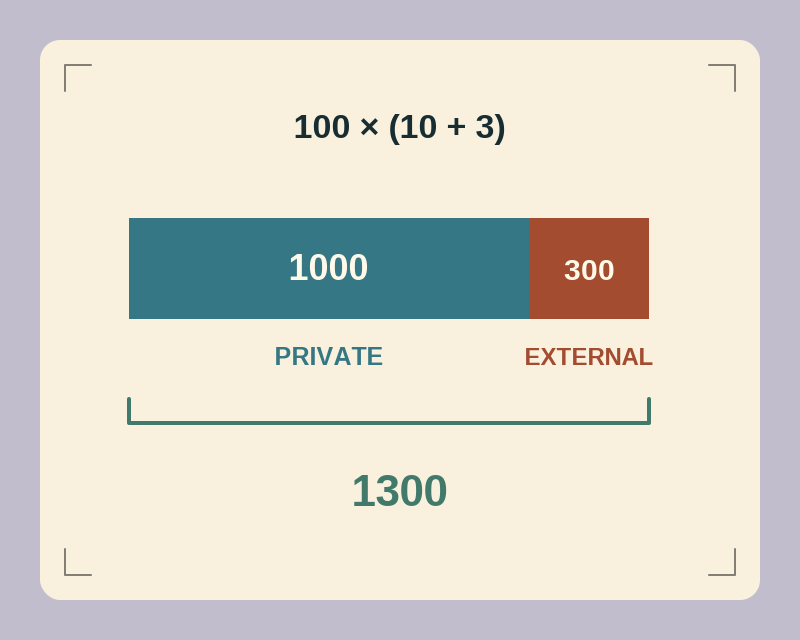
Assume one hundred parts with private cost of ten monetary units per part. The model also assigns constant external cost of three per part. These invented values are given for practicing addition, not estimated damages.
Total private cost is 100 × 10 = 1000; external cost is 100 × 3 = 300. The model’s social cost adds both: 1300, or thirteen per part. A selling price of ten, fifteen or another amount would not independently change this definition of the given costs.
Preserve the difference between cost and transfer
The 300 external cost is not necessarily an invoice issued by the neighbor or an outflow recorded by the workshop. Social-cost calculation broadens the analysis; it does not independently create a payment, obligation or accounting entry.
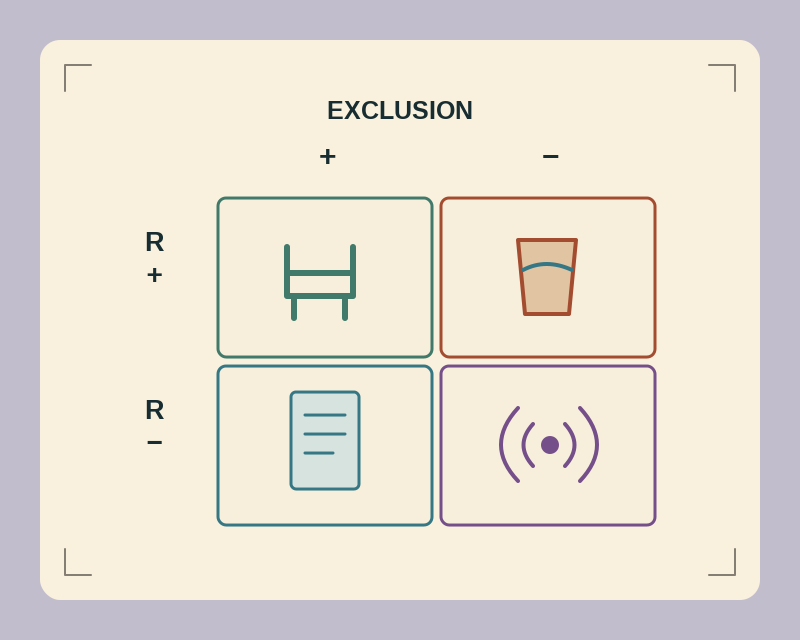
Positive external effects also exist, such as an improvement benefiting third parties who did not participate in purchasing it. Identify mechanism and recipients first. Do not classify all public spending as an externality or confuse this question with public goods’ rivalry and exclusion.
Keep evidence and unknowns separate
A useful record distinguishes transaction, third party, observed effect, period, valuation method and assumptions. Without a verified valuation, keep “pending” rather than reusing the exercise’s three per part.
The framework helps discuss effects omitted by a view limited to buyer and seller. It determines neither the optimal solution, appropriate output nor who should pay. Those decisions require additional information absent from this illustrative sum.
Follow the evidence.
Sources checked November 24, 2026. The exercise scenarios and figures are fictional. Our editorial standards.