Describe quién participa en la transacción y quién recibe un efecto externo; distingue la existencia del efecto de su valoración monetaria.
Dibuja quién está dentro del intercambio
En el caso ficticio, un taller fabrica piezas para un cliente. El taller paga materiales y trabajo; el cliente recibe las piezas. Un estudio vecino, que no compra ni vende en esa operación, debe reorganizar actividades por el ruido que recibe.
OpenStax llama externalidad al efecto de un intercambio sobre terceros fuera de él. El ejemplo identifica una externalidad negativa bajo sus supuestos. No afirma que exista un taller real, que se haya medido ruido ni que se haya determinado una responsabilidad legal.
Distingue costo privado y efecto externo
Los materiales que compra el taller pertenecen a sus costos privados. Una factura pendiente por esos materiales sigue siendo un compromiso propio; estar impagada no la convierte en externalidad. El criterio no es si salió dinero hoy, sino a quién corresponde el efecto descrito.
La reorganización del estudio vecino es otra cuestión. Para valorarla harían falta datos sobre qué actividad cambió, durante cuánto tiempo y con qué alternativas. Observar una molestia no permite deducir automáticamente una cantidad monetaria ni atribuirle cualquier pérdida del vecino.
Reconstruye un modelo con valores dados
Supón cien piezas, con costo privado de diez unidades monetarias por pieza. El modelo asigna además un costo externo constante de tres por pieza. Son valores inventados ya dados para practicar la suma, no una estimación de daños.
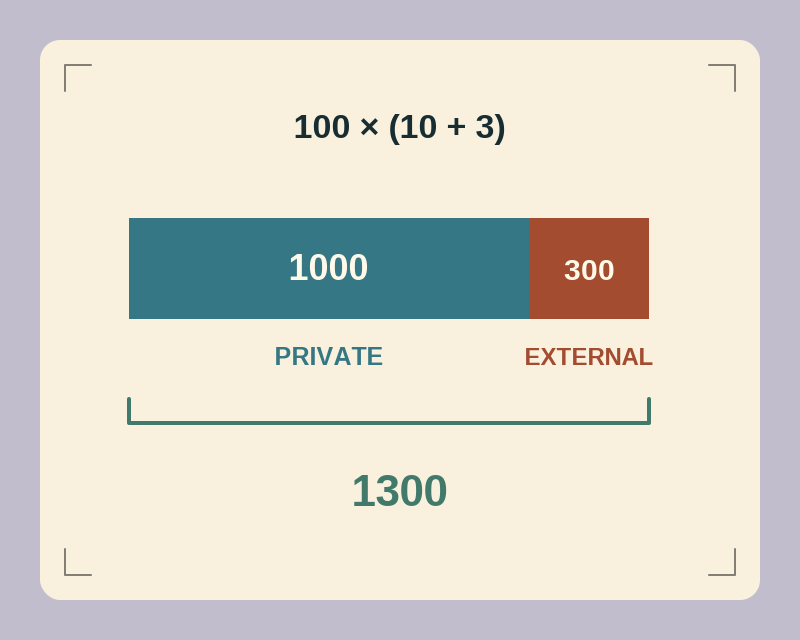
El costo privado total es 100 × 10 = 1000; el externo, 100 × 3 = 300. El costo social del modelo suma ambos: 1300, o trece por pieza. Que el precio de venta fuera diez, quince u otro importe no cambiaría por sí solo esta definición de los costos dados.
Conserva la diferencia entre costo y transferencia
Los 300 externos no son una factura que necesariamente haya emitido el vecino ni una salida de caja registrada en el taller. El cálculo social amplía el alcance del análisis; no crea por sí mismo un pago, una obligación o un asiento contable.
También existen efectos externos positivos: por ejemplo, una mejora que beneficie a terceros sin que participen en su compra. Identifica primero el mecanismo y sus destinatarios. No clasifiques todo gasto público como externalidad ni confundas esta pregunta con la rivalidad y exclusión de los bienes públicos.
Guarda evidencia y pendientes por separado
Una ficha útil distingue transacción, tercero, efecto observado, periodo, método de valoración y supuestos. Si no existe una valoración comprobada, conserva «pendiente» en lugar de reutilizar los tres por pieza del ejercicio.
El esquema ayuda a discutir qué efectos deja fuera una mirada limitada a comprador y vendedor. No determina la solución óptima, la cantidad que debería producirse ni quién debe pagar. Esas decisiones requieren información adicional que esta suma ilustrativa no contiene.
Externalities: what lies outside an exchange’s private cost
A buyer and seller can be satisfied while someone else bears an effect of their exchange. To recognize an externality, first identify that third party and the mechanism reaching them, before assigning a figure.
Describe transaction participants and recipients of an external effect; distinguish the effect’s existence from its monetary valuation.
Map who is inside the exchange
In the fictional case, a workshop makes parts for a customer. The workshop pays for materials and labor; the customer receives parts. A neighboring studio, neither buying nor selling in that transaction, must reorganize activities because of noise reaching it.
OpenStax calls an exchange’s effect on outside third parties an externality. Under its assumptions, the example identifies a negative externality. It does not claim a real workshop exists, noise was measured or legal responsibility established.
Separate private cost and external effect
Materials purchased by the workshop belong to its private costs. An unpaid materials invoice remains its own commitment; nonpayment does not turn it into an externality. The criterion is not whether cash left today, but who bears the effect described.
The neighboring studio’s reorganization is a separate question. Valuing it would require evidence about activities changed, duration and alternatives. Observing a nuisance does not automatically establish a monetary amount or attribute every neighboring loss to it.
Reconstruct a model with given values
Assume one hundred parts with private cost of ten monetary units per part. The model also assigns constant external cost of three per part. These invented values are given for practicing addition, not estimated damages.
Total private cost is 100 × 10 = 1000; external cost is 100 × 3 = 300. The model’s social cost adds both: 1300, or thirteen per part. A selling price of ten, fifteen or another amount would not independently change this definition of the given costs.
Preserve the difference between cost and transfer
The 300 external cost is not necessarily an invoice issued by the neighbor or an outflow recorded by the workshop. Social-cost calculation broadens the analysis; it does not independently create a payment, obligation or accounting entry.
Positive external effects also exist, such as an improvement benefiting third parties who did not participate in purchasing it. Identify mechanism and recipients first. Do not classify all public spending as an externality or confuse this question with public goods’ rivalry and exclusion.
Keep evidence and unknowns separate
A useful record distinguishes transaction, third party, observed effect, period, valuation method and assumptions. Without a verified valuation, keep “pending” rather than reusing the exercise’s three per part.
The framework helps discuss effects omitted by a view limited to buyer and seller. It determines neither the optimal solution, appropriate output nor who should pay. Those decisions require additional information absent from this illustrative sum.
外部性:一项交易的私人成本之外,还有什么
买卖双方可能都满意,却有第三方承担交易影响。识别外部性时,应先找到第三方和影响机制,再考虑金额。
写清谁参与交易、谁承受外部影响,并区分影响存在与货币估值。
画出交易内部的人
虚构案例中,工坊为客户生产零件,支付材料和劳动,客户收到零件。邻近工作室既不买也不卖,却因传来的噪声而必须重新安排活动。
OpenStax 将交易对外部第三方的影响称为外部性。在给定假设下,本例是负外部性,但不声称存在真实工坊、已经测量噪声或确定法律责任。
区分私人成本与外部影响
工坊购买的材料属于私人成本。尚未支付的材料发票仍是自身承诺,不会因为未付款就变成外部性。判断标准不是今天是否付出现金,而是所述影响由谁承担。
邻近工作室重新安排活动,是另一个问题。估值需要知道哪些活动改变、持续多久,以及有哪些替代方案。观察到干扰,不能自动推出货币金额,也不能把邻居全部损失都归因于它。
重建给定数值模型
假设生产一百件,每件私人成本十个货币单位,模型另给每件恒定外部成本三个单位。这些是用于加总练习的虚构给定值,不是损害估计。
私人总成本为 100 × 10 = 1000,外部成本为 100 × 3 = 300。模型社会成本为两者之和 1300,即每件十三。售价是十、十五或其他金额,本身不会改变这些已给成本的定义。
保留成本与转移支付的区别
外部成本 300 不一定是邻居实际开出的发票,也不一定是工坊账上记录的现金流出。社会成本扩大分析范围,却不会自行产生付款、义务或会计分录。
也有正外部性,例如某项改善让未参与购买的第三方受益。先找出机制和受益者。不要把所有公共支出都归为外部性,也不要与公共物品的竞争性、排他性问题混淆。
分开保存证据与待定事项
有用记录应区分交易、第三方、已观察影响、期间、估值方法与假设。没有经过核实的估值,就保留“待定”,不能套用练习中每件三个单位。
框架帮助讨论只看买卖双方时遗漏的影响,却不决定最优方案、应有产量或谁来付款。这些决定需要额外信息,示例加总并未提供。
Fuentes y método
Fuentes consultadas el 24 de noviembre de 2026. Los casos y datos numéricos de los ejercicios son ficticios. Editorial standards · Disclosures.