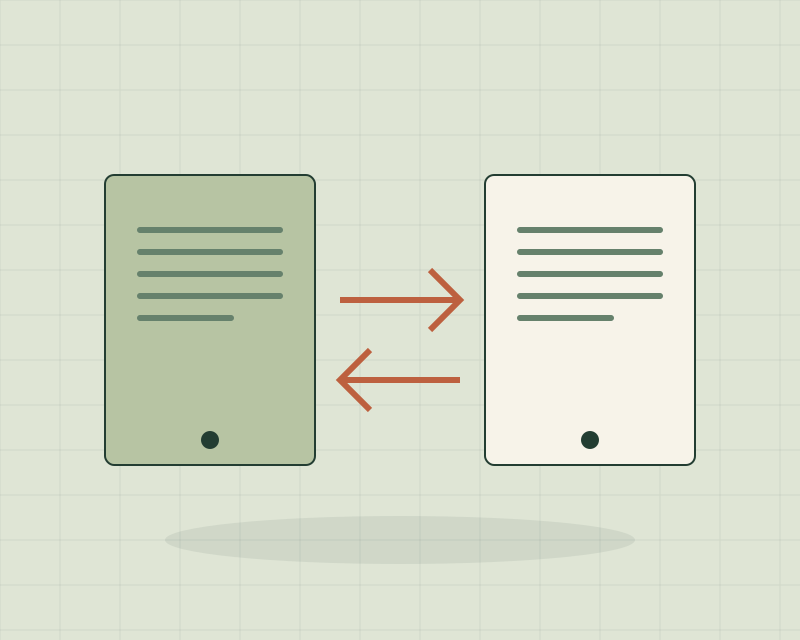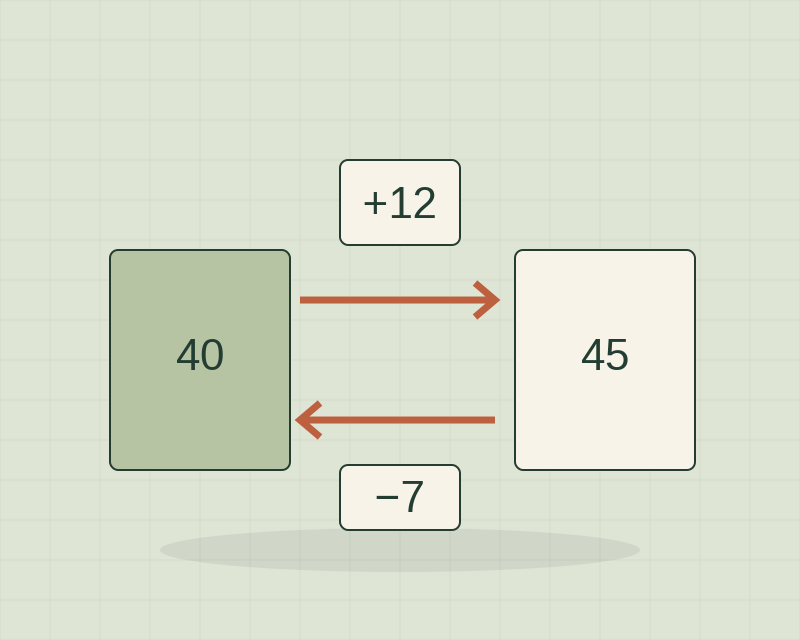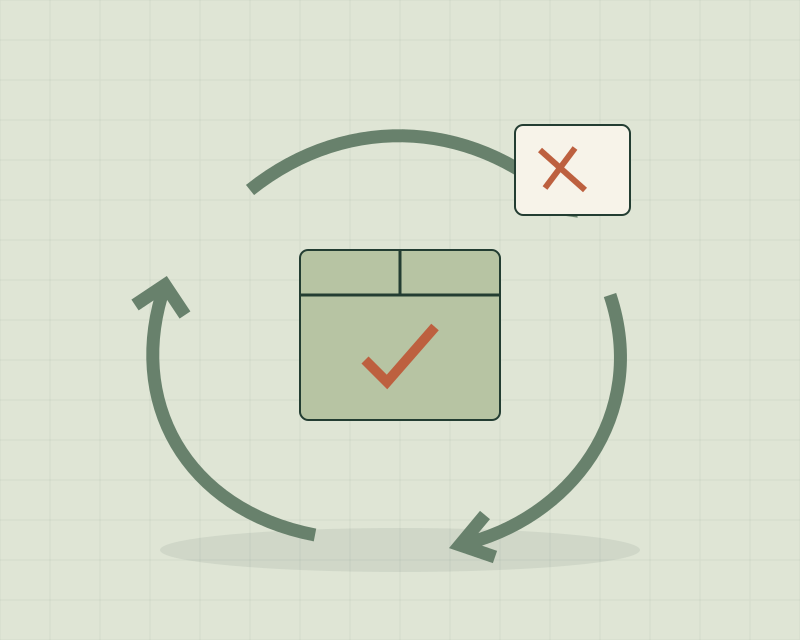
Draw the loop and assign owners before making an environmental promise. Extending use and recovering materials are different operations.
Ask which value is preserved and how
The European Environment Agency framework connects circular models with longer life, repair, reuse and material recovery strategies. It also identifies the need for different actors across the value chain. These models involve more than changing a campaign message.
Start by identifying what is preserved: the whole object, its function, a part or its material. Rental, sale with returns or service provision are possible commercial arrangements, but none establishes an operating loop through its name alone.
Distinguish an object’s possible routes
| Route | What it seeks to preserve | Operational question |
|---|---|---|
| Reuse | The object for another compatible use | Is it recovered and checked before circulating again? |
| Repair | The ability to perform its function | Who identifies the defect and can correct it? |
| Recycling | Recoverable material | Is there a destination accepting that material in its actual condition? |
These are practical distinctions for analysis, rather than legal definitions for every sector. A repaired object may be used again; an irreparable one may need another route. Theoretical recyclability establishes neither collection nor processing.
Follow a returnable box, rather than a label
In a fictional scenario, a workshop sends non-food parts to nearby shops in returnable boxes. It wants to recover each box and use it again when suitable. The example assesses no particular material and does not replace technical transport requirements.
The proposed loop is delivery, return, inspection, repair where appropriate and reassignment. Rejected boxes are separated so a documented destination can be decided. Without a return agreement, the arrow back is an intention; printing “reusable” on the lid is insufficient.
Try the route with a small identified batch and record boxes that do not return or cannot be reused. Do not describe a proposed pilot as an already functioning system.
Assign tasks between two sales
- Shop: agreed return place and time.
- Collection: owner, route and acceptance conditions.
- Inspection: criteria for acceptance, separation or repair.
- Repair: available capacity and a record of work performed.
- Reassignment: identification and condition before the next delivery.
- Exit from the loop: confirmed destination and available evidence.
If customers must store boxes, they need space and instructions. If the workshop collects them, it takes on work and transport. Making that burden visible enables discussion of who accepts it and under which conditions before promising convenience for everyone.
Separate operations, costs and impact
Record deliveries, returns, rejections, time and costs with comparable periods and units. Our stocks and flows guide helps avoid confusing available boxes with monthly returns. Retain consultable records, as proposed in our portable data guide.
More observed uses do not by themselves equal a quantified environmental reduction. Materials, transport, repair and final destination need their own evidence and assessment boundaries. This example calculates no emissions and does not establish that returnable boxes are always the best option.
Communicate what the loop can establish
A bounded claim would be: “Returns are offered for these boxes under these conditions.” “Zero waste” or “smaller footprint” requires support this map does not provide. Our positioning guide complements promise clarity without validating impact.
To evaluate a circular proposal, request the loop, its owners, available records and unresolved points. These decisions explain the model’s novelty better than a label. Only then can one check what is actually preserved and with which consequences.
Follow the evidence.
Sources checked October 21, 2026. Illustrative scenarios and numbers are fictional. The records and exercises are original editorial proposals, without attributed customer results or provider tests. Our editorial standards.