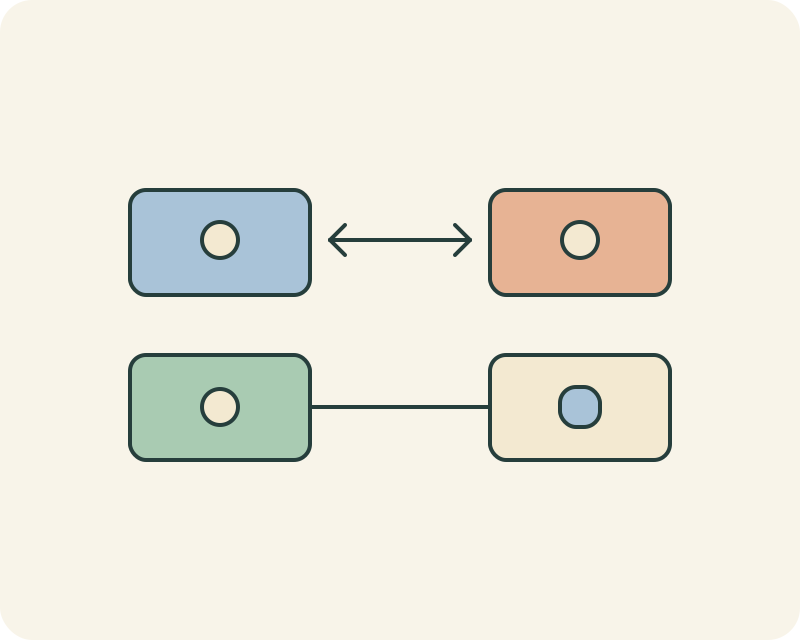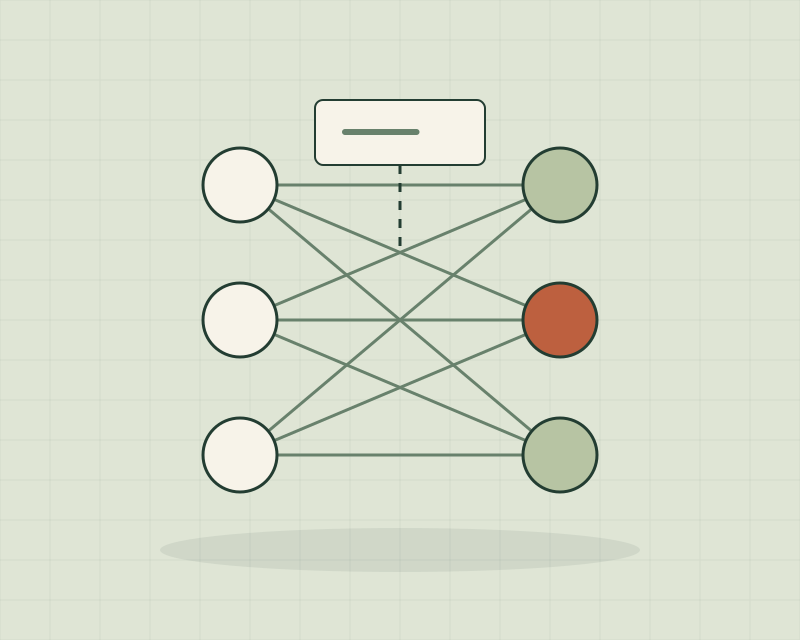
Describe the specific use and its conditions; then ask whether exclusion is feasible and whether one person reduces what remains for another.
Ask two independent questions
Consumption is rival when one person’s use reduces what is available to another. Exclusion is feasible when particular people can practicably be prevented from accessing the good. A zero price does not prove that exclusion is impossible.
OpenStax identifies a public good through nonrivalry and nonexclusion. That combination is an analytical category, not a statement about state ownership, quality or social importance. Define the service or unit under examination before classifying it.
Walk through four cells
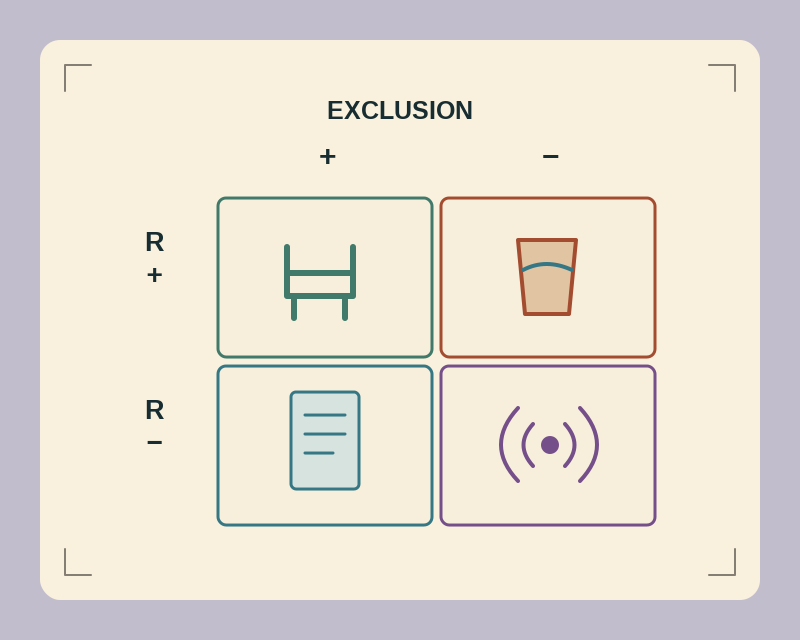
Combine rival or nonrival use with excludable or nonexcludable access in a matrix. Rival and excludable corresponds to a private good; nonrival and excludable to a club good. Rival and nonexcludable describes a common resource; nonrival and nonexcludable describes a public good.
The names help organize two answers. They do not automatically make a case desirable or undesirable, or determine who should fund it. That decision needs additional questions about costs, benefits and rules.
Test four explicitly bounded cases
In a fictional workshop with ten seats and controlled entry, each occupied seat leaves one fewer and entry without a ticket can be prevented: rival and excludable. A password-protected digital file, with sufficient capacity for simultaneous users, permits restricted access without one reading removing another copy: a club good under those conditions.
A shared well with unrestricted access and limited water is a common resource in the exercise: extracted water is no longer available to someone else. A plaza loudspeaker announcement, audible to everyone without access control or loss from adding listeners, functions as a public good within that scope. These are example assumptions, not descriptions of actual places.
Change a condition and look again
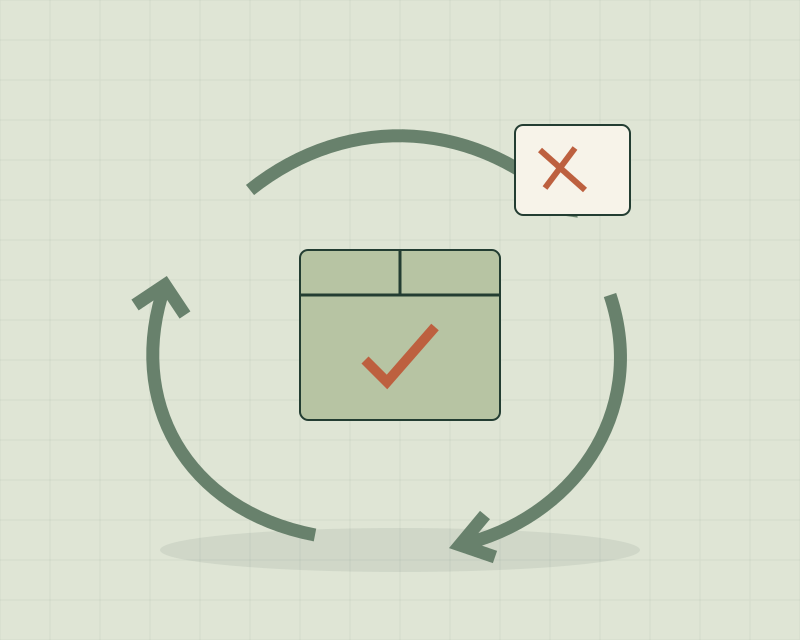
If the file requires a session limited to one user, a relevant capacity constraint appears. If the well acquires effective access control, the possibility of exclusion changes. Specify the change before classifying again.
Stanford’s scholarly entry emphasizes how context, institutions and technology affect these boundaries. Consequently, “digital,” “municipal” or “free” does not answer both questions by itself. Also distinguish hearing an announcement from occupying a seat to hear it.
Save the reasoning beside the name
Prepare a record with the service observed, scope, capacity limit, access mechanism and answer to each question. Write the cell last, alongside the condition that could change it.
If you do not know the access rules or the effect of additional users, keep the classification pending. A documented matrix helps discuss different problems—restriction, congestion or funding—without assuming that one intervention solves them all.
Follow the evidence.
Sources checked November 22, 2026. The exercise scenarios and figures are fictional. Our editorial standards.