Keep past spending in the record, but compare alternatives through future costs and benefits that change. Include obligations, uncertainty and effects a single number cannot summarize.
Clarify which expense cannot change
A sunk cost has already occurred and cannot be recovered by choosing another alternative. OpenStax distinguishes it from future costs relevant to a decision. The useful question is what changes from today if you continue, stop or modify the initiative; remembering the expense alone does not answer it.
Do not classify every payment as sunk. A refundable deposit, resalable material or usable balance requires examining the value recoverable under each alternative. Also distinguish an unavoidable future payment from past spending: they may affect your cash calendar differently.
Put two alternatives at the same starting date
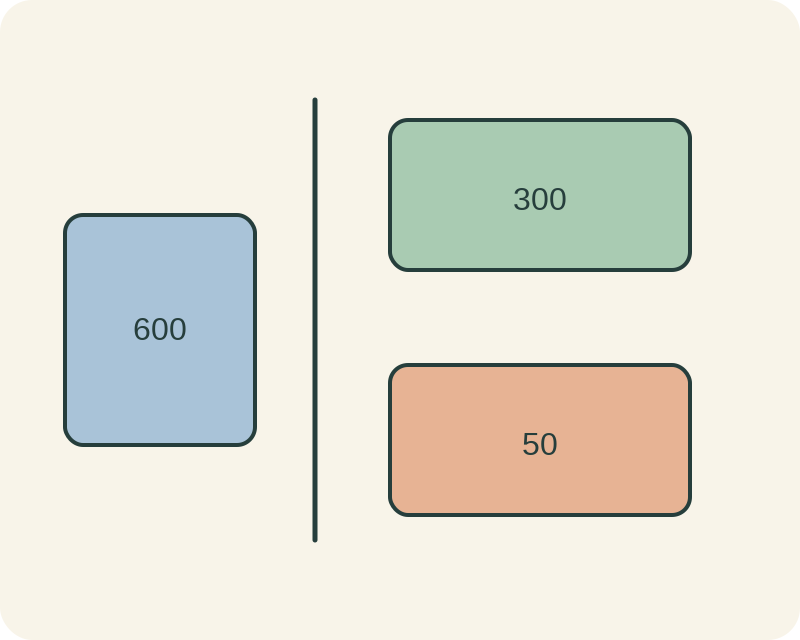
Fictional, simplified example in monetary units: a workshop is preparing a small showcase of its work. It has already spent 600 on unrecoverable preparation. From today, finishing requires an additional 300; cancellation requires an agreed closure payment of 50. This assumption includes no other costs differing between the alternatives.
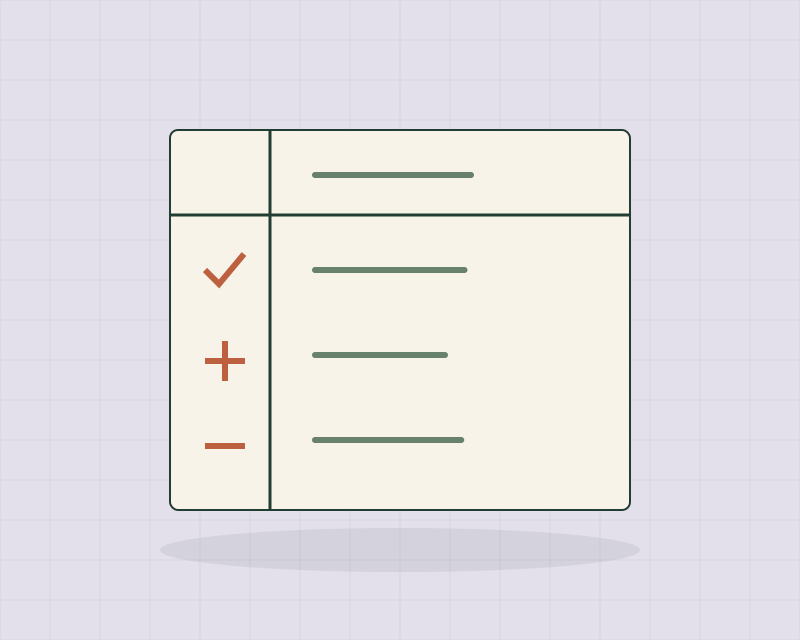
| Item | Finish | Cancel |
|---|---|---|
| Unrecoverable past expense | 600 already incurred | 600 already incurred |
| Additional future outflow | 300 | 50 |
| Future income | Unknown | 0 in this example |
The difference in future outflows is 300 − 50 = 250. This does not establish that finishing is worthwhile: you still need to estimate the potential future benefit and its uncertainty.
Make the unverified benefit visible
Suppose someone mentions possible showcase income of 500. In this example it is a hypothesis, without confirmed reservations or sales. Under that scenario, finishing leaves 500 − 300 = 200 from today; cancellation leaves 0 − 50 = −50. The difference would be 250 in favor of finishing.
With zero income, finishing leaves −300 and cancellation −50: a difference of 250 in favor of cancellation. Both scenarios are arithmetic exercises, not probability estimates. The past 600 is the same under both options and changes none of those differences.
Review conditions that change the comparison
Ask about outstanding commitments, refunds, recoverable material, required time and alternative work displaced. Cancellation does not automatically eliminate obligations. Write down which costs are common and which change with the decision, using the same time horizon and unit.
When new information appears, update the affected rows. Recovering part of a deposit on cancellation, for example, changes that alternative. The table makes assumptions visible; it is not a complete valuation model for every investment.
Add what the balance does not explain
Consider promises made to participants, potentially useful learning and each option’s impact on the team’s work. Describe these effects separately rather than assigning invented values. You may decide to seek more information or reduce scope when the comparison is not clear enough.
Also record who has authority to decide and what information they need. A correctly calculated numerical difference does not authorize spending or demonstrate execution of the decision.
Keep a reason that can be reviewed
Record the date, alternatives, assumptions and decision rationale. Arrange a review of observed results where appropriate. Past records remain important for learning and accountability even though they do not by themselves justify committing more resources.
The related break-even guide answers a different question about activity and costs. Here we compare options from a specific date, separating the unrecoverable from what can still change.
Follow the evidence.
Sources checked October 31, 2026. Illustrative cases, people, codes and numbers are fictional. These are original editorial proposals and exercises, without claiming actual server-log analysis, store tests, sowing or customer results. Our editorial standards.