Conserva el gasto pasado en el registro, pero compara las alternativas con sus costos y beneficios futuros que sí cambian. Incluye obligaciones, incertidumbre y efectos que la cifra no resume.
Aclara qué gasto no puede cambiar
Un costo hundido ya ocurrió y no se recupera al elegir otra alternativa. OpenStax lo distingue de los costos futuros relevantes para una decisión. La pregunta útil es qué cambia desde hoy si continúas, detienes o modificas la iniciativa; el recuerdo del gasto no responde por sí solo.
No clasifiques como hundido todo lo pagado. Un depósito recuperable, un material que puedes revender o un saldo utilizable requieren examinar qué valor puede recuperarse en cada alternativa. Tampoco confundas un pago futuro inevitable con un gasto pasado: pueden tener efectos distintos en tu calendario de efectivo.
Pon dos alternativas en la misma fecha
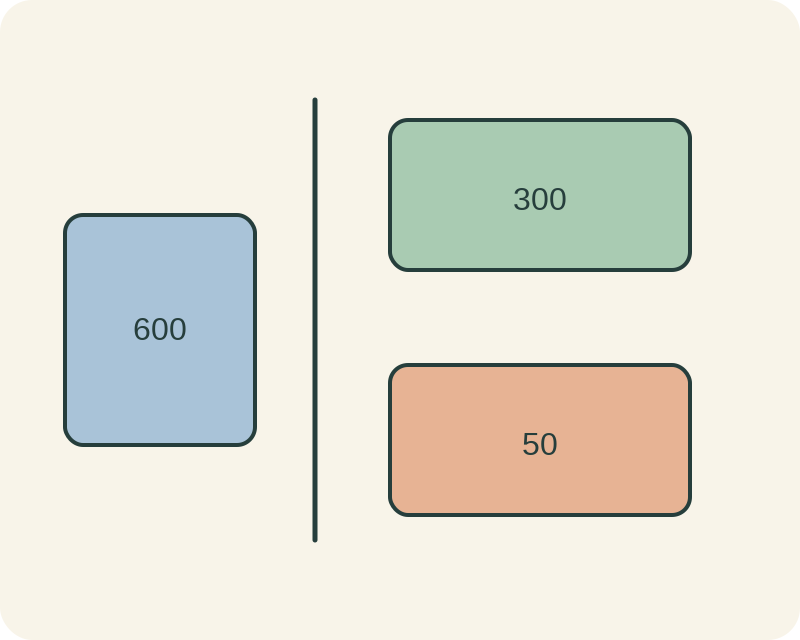
Ejemplo ficticio y simplificado, en unidades monetarias: un taller prepara una pequeña muestra de trabajos. Ya gastó 600 irrecuperables en preparación. Desde hoy, terminar exige 300 adicionales; cancelar exige 50 por el cierre acordado. No hay otros costos distintos entre las alternativas en este supuesto.
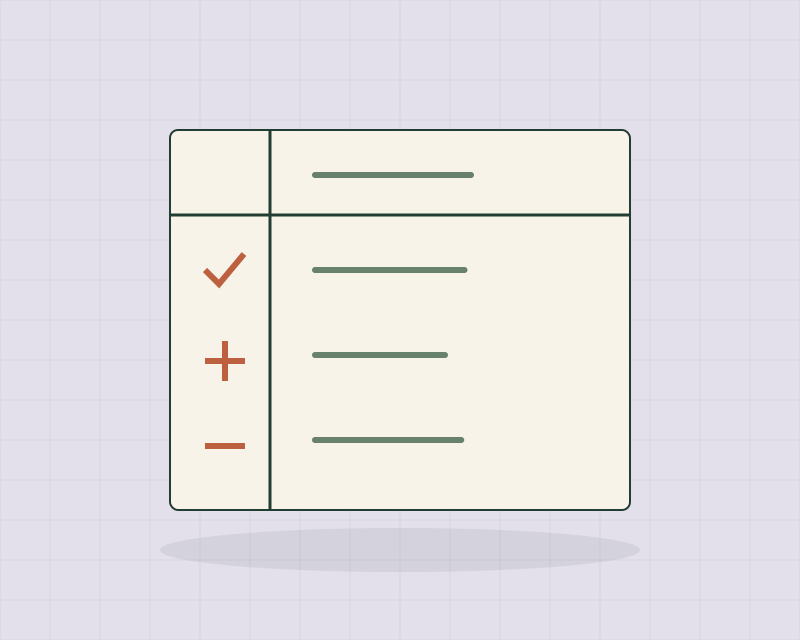
| Concepto | Terminar | Cancelar |
|---|---|---|
| Gasto pasado irrecuperable | 600 ya ocurridos | 600 ya ocurridos |
| Salida futura adicional | 300 | 50 |
| Ingreso futuro | Desconocido | 0 en este ejemplo |
La diferencia de salidas futuras es 300 − 50 = 250. Ese cálculo no demuestra que terminar sea conveniente: todavía falta estimar qué beneficio futuro podría obtenerse y con qué incertidumbre.
Haz visible el beneficio que falta comprobar
Supón que alguien menciona ingresos posibles de 500 por la muestra. En el ejemplo es una hipótesis, sin reservas ni ventas confirmadas. Bajo ese escenario, terminar dejaría 500 − 300 = 200 desde hoy; cancelar, 0 − 50 = −50. La diferencia sería 250 a favor de terminar.
Si los ingresos fueran cero, terminar dejaría −300 y cancelar −50: la diferencia sería 250 a favor de cancelar. Ambos escenarios son ejercicios aritméticos, no una estimación de probabilidad. Los 600 pasados son iguales en ambos y no cambian ninguna de esas diferencias.
Revisa qué condiciones cambian la comparación
Pregunta si hay compromisos pendientes, devoluciones, material recuperable, tiempo necesario o trabajo alternativo desplazado. Una cancelación no elimina automáticamente obligaciones. Escribe qué costos son comunes y cuáles cambian con la decisión, manteniendo el mismo horizonte y unidad para comparar.
Si aparece información nueva, actualiza las filas afectadas. Por ejemplo, recuperar parte de un depósito al cancelar cambia esa alternativa. La tabla es una forma de hacer visibles los supuestos; no es un modelo completo de valoración para cualquier inversión.
Añade lo que el saldo no explica
Considera qué se prometió a las personas participantes, qué aprendizaje sería útil y qué impacto tendría cada opción en el trabajo del equipo. Describe esos efectos por separado en lugar de asignarles una cifra inventada. Puedes decidir pedir más información o reducir el alcance si todavía no puedes comparar con suficiente claridad.
Anota también quién tiene autoridad para decidir y qué datos necesita. Una diferencia numérica calculada correctamente no constituye una autorización de gasto ni demuestra que se haya ejecutado la decisión.
Conserva una razón que pueda revisarse
Escribe la fecha, alternativas, supuestos y motivo de la decisión. Programa una revisión del resultado observado cuando corresponda. El registro pasado sigue siendo importante para aprender y rendir cuentas, aunque no justifique por sí mismo dedicar más recursos.
La guía relacionada de punto de equilibrio responde otra pregunta sobre actividad y costos. Aquí comparamos opciones desde una fecha concreta, separando lo irrecuperable de aquello que todavía puede cambiar.
We already spent it: separate sunk costs from the next decision
“We have invested too much to stop” can surface when an initiative loses clarity. Before committing another expense, separate unrecoverable money from the future consequences of each option.
Keep past spending in the record, but compare alternatives through future costs and benefits that change. Include obligations, uncertainty and effects a single number cannot summarize.
Clarify which expense cannot change
A sunk cost has already occurred and cannot be recovered by choosing another alternative. OpenStax distinguishes it from future costs relevant to a decision. The useful question is what changes from today if you continue, stop or modify the initiative; remembering the expense alone does not answer it.
Do not classify every payment as sunk. A refundable deposit, resalable material or usable balance requires examining the value recoverable under each alternative. Also distinguish an unavoidable future payment from past spending: they may affect your cash calendar differently.
Put two alternatives at the same starting date
Fictional, simplified example in monetary units: a workshop is preparing a small showcase of its work. It has already spent 600 on unrecoverable preparation. From today, finishing requires an additional 300; cancellation requires an agreed closure payment of 50. This assumption includes no other costs differing between the alternatives.
| Item | Finish | Cancel |
|---|---|---|
| Unrecoverable past expense | 600 already incurred | 600 already incurred |
| Additional future outflow | 300 | 50 |
| Future income | Unknown | 0 in this example |
The difference in future outflows is 300 − 50 = 250. This does not establish that finishing is worthwhile: you still need to estimate the potential future benefit and its uncertainty.
Make the unverified benefit visible
Suppose someone mentions possible showcase income of 500. In this example it is a hypothesis, without confirmed reservations or sales. Under that scenario, finishing leaves 500 − 300 = 200 from today; cancellation leaves 0 − 50 = −50. The difference would be 250 in favor of finishing.
With zero income, finishing leaves −300 and cancellation −50: a difference of 250 in favor of cancellation. Both scenarios are arithmetic exercises, not probability estimates. The past 600 is the same under both options and changes none of those differences.
Review conditions that change the comparison
Ask about outstanding commitments, refunds, recoverable material, required time and alternative work displaced. Cancellation does not automatically eliminate obligations. Write down which costs are common and which change with the decision, using the same time horizon and unit.
When new information appears, update the affected rows. Recovering part of a deposit on cancellation, for example, changes that alternative. The table makes assumptions visible; it is not a complete valuation model for every investment.
Add what the balance does not explain
Consider promises made to participants, potentially useful learning and each option’s impact on the team’s work. Describe these effects separately rather than assigning invented values. You may decide to seek more information or reduce scope when the comparison is not clear enough.
Also record who has authority to decide and what information they need. A correctly calculated numerical difference does not authorize spending or demonstrate execution of the decision.
Keep a reason that can be reviewed
Record the date, alternatives, assumptions and decision rationale. Arrange a review of observed results where appropriate. Past records remain important for learning and accountability even though they do not by themselves justify committing more resources.
The related break-even guide answers a different question about activity and costs. Here we compare options from a specific date, separating the unrecoverable from what can still change.
已经花掉的钱:把沉没成本与下一步决定分开
当一项计划变得不清楚时,可能出现“投入太多,不能停”的说法。承诺新增支出前,先区分无法收回的钱和各选项未来的后果。
保留历史支出记录,但用会变化的未来成本与收益比较方案。纳入义务、不确定性,以及单一数字无法概括的影响。
明确哪项支出无法改变
沉没成本已经发生,改变方案也无法收回。OpenStax 将其与决策相关的未来成本区分开。真正要问的是:从今天起,继续、停止或调整会改变什么?仅仅回想过去支出,并不能回答这个问题。
不要把所有已付款都列为沉没成本。可退押金、可转售材料或仍可使用的余额,都需要查看各方案能收回什么价值。不可避免的未来付款,也应与历史支出区分,因为它们对现金日历的影响可能不同。
在相同起点比较两个方案
以下为以货币单位计的简化虚构案例:工作室准备小型作品展示,已发生 600 的不可收回筹备支出。从今天起,完成需要再花 300;取消需要按约支付 50 的收尾费用。假设没有其他在两个方案间不同的成本。
| 事项 | 完成 | 取消 |
|---|---|---|
| 过去不可收回支出 | 已发生 600 | 已发生 600 |
| 未来新增流出 | 300 | 50 |
| 未来收入 | 未知 | 本例为 0 |
未来流出相差 300 − 50 = 250。这不能证明完成更划算,仍需评估可能产生的未来收益及其不确定性。
明确尚未证实的收益
假设有人提出展示可能带来 500 收入。在本例中,这只是没有预订或成交确认的假设。在此情境下,完成方案从今天起净额为 500 − 300 = 200;取消为 0 − 50 = −50,完成比取消多 250。
若收入为零,完成净额为 −300,取消为 −50,取消比完成多 250。两个情境都是算术练习,不是概率估计。过去的 600 在两种选择中相同,不改变这些差额。
复查会改变比较的条件
询问是否有未履行承诺、退款、可回收材料、所需时间及被挤占的其他工作。取消并不自动消除义务。使用相同时间范围和单位,写清哪些成本共同存在,哪些随决定变化。
获得新信息后更新对应行。例如取消时可退回部分押金,就会改变该方案。表格用于显露假设,并非适用于所有投资的完整估值模型。
补充净额无法说明的事项
考虑对参与者作过什么承诺、可能获得何种学习,以及各选项如何影响团队工作。单独描述这些影响,不要编造金额。比较仍不清楚时,可以决定先收集资料或缩小范围。
同时记录谁有权决定、需要什么数据。数字差额计算正确,并不代表获得支出授权,也不能证明已经执行。
留下可复查的理由
记录日期、方案、假设与决定理由,并在适当时复查实际结果。历史记录对学习和问责仍然重要,但不能单凭它就证明应该继续投入资源。
相关盈亏平衡指南讨论活动量和成本的另一类问题。本文从具体日期出发比较方案,把无法收回的过去与仍可改变的事项分开。
Fuentes y método
Fuentes consultadas el 31 de octubre de 2026. Los casos, personas, códigos y cifras ilustrativos son ficticios. Son propuestas y ejercicios editoriales originales, sin atribuir registros de servidor, pruebas de tiendas, siembras ni resultados de clientes realizados. Editorial standards · Disclosures.