Classify activities by purpose and record when defects were detected. Keep the amount, evidence and scope of the order.
Choose an order you can reconstruct
A fictional workshop makes identification plates. Gather setup, checks, corrections before delivery and replacements afterward. Use one currency and period.
ASQ distinguishes prevention, appraisal, internal failure and external failure. The exercise assigns each expense to a visible activity the team can review.
Distinguish the purpose of each activity
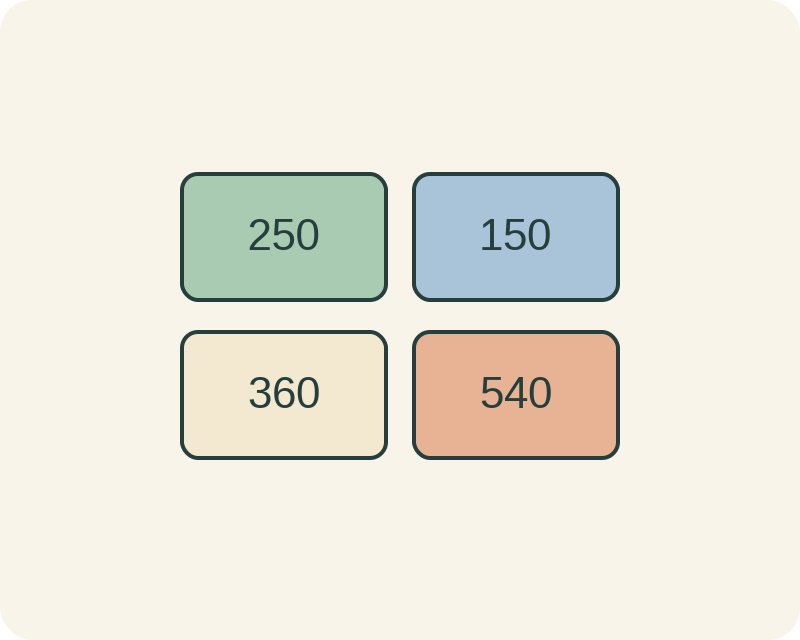
| Category | Work in the example | Amount |
|---|---|---|
| Prevention | Adjust the drilling jig before the batch | 250 |
| Appraisal | Measure a sample as a planned check | 150 |
| Internal failure | Remake defective plates before delivery | 360 |
| External failure | Make and ship a replacement after delivery | 540 |
Total cost is 1,300 currency units. Prevention and appraisal account for 400. The two failure categories add to 900 within this order.
Place detection relative to delivery
Planned measurement is appraisal even when it finds a defect. Remaking plates before delivery is internal failure work. Replacing a faulty plate received by the customer belongs to external failure.
Keep the event that distinguishes those moments. Plate counts and spending describe different dimensions of the order.
Count each resource once
Record order ID, activity, date, minutes or materials and amount under the agreed method. If the 540 already includes making and shipping the replacement, list components beneath the total so it remains reconstructable.
When a session includes inspection and rework, split records where evidence supports it. Label estimates with their basis.
Prepare a bounded comparison
Compare an order with similar products, scope and rules. Higher appraisal spending can reflect more inspected pieces. Keep delivered units, defects found and when they were detected. If you report a cost per piece, retain its denominator. One piece can have multiple defects.
Use the comparison to choose an investigation. The fictional order teaches classification and arithmetic. Process decisions need records from actual work.
Choose a specific review with the team
If records show repeated drilling mistakes, review the jig and agree how to check another order. Keep the new version, date and counting rules. The team can discuss changes without losing the detail behind the total.
Follow the evidence.
Sources checked November 7, 2026. Illustrative scenarios and numbers are fictional. Original exercises and records, without attributed customer results or field observations. Our editorial standards.