Measure from the last accepted A unit to the first accepted B unit. Then try moving a task earlier and check the result against the same quality criterion.
Define two observable endpoints
For this workshop the start is the last accepted A folder. The end comes when a B folder passes the same width and closure checks as the rest of the batch will use. Also keep the time when the first B folder appears if it needs correction. The full interval includes checking the sample.
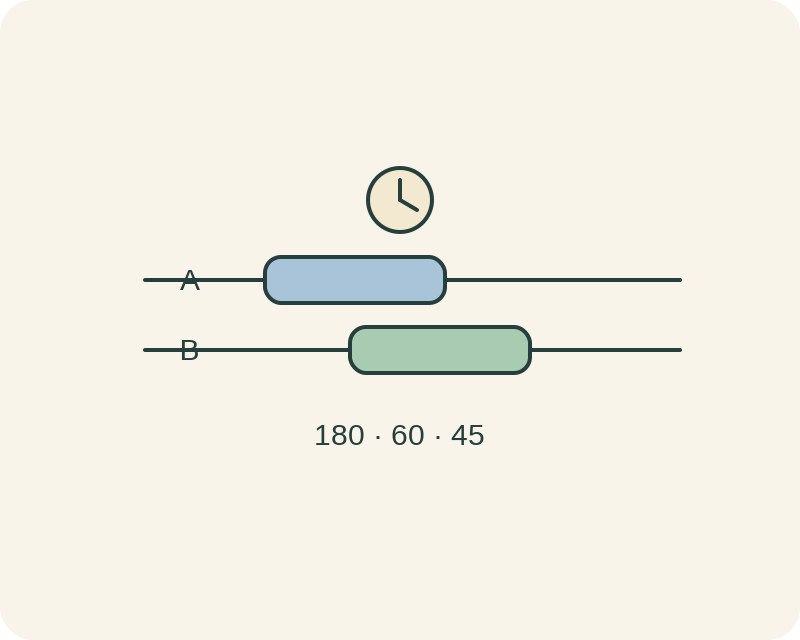
Watch a transition and record the start and finish of each step. In a workshop with several people, mark concurrent tasks to separate downtime from work minutes.
Read the twelve minutes of the first trial
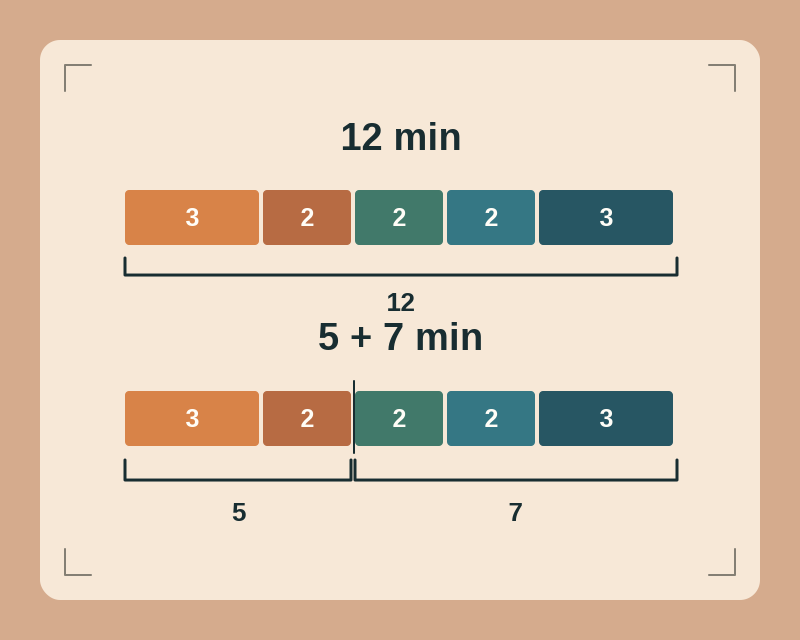
The team spends three minutes finding the B guide and sample, two counting and checking the paper, two removing and fitting the guide, two folding the sample and three checking it and adjusting the position. The steps run in sequence in this example and the table returns to production at minute twelve.
The distinction used in SMED helps review the record. An internal task requires the operation to stop. An external task can take place while it runs. When a step happened in the first trial and when it can happen are different facts.
Move two tasks to a different point
Before A finishes, the workshop prepares the B guide, sample and paper on a labeled cart. The person preparing them checks the label and keeps the material on the cart until the previous batch is cleared. The two sizes keep separate areas.
Fitting the guide and checking the first folder stay within the pause. If the remaining times repeated, they would total seven minutes. Finding and counting would still take five minutes of work, now outside the pause. Check who can do them and when.
Keep the first-unit check
Ask someone else to check width and closure against the approved sample. If it fails, record the adjustment and keep timing until one passes. Keep the applicable safety steps and workshop checks when changing the sequence.
Bring two figures to the review
Record the outgoing and incoming sizes, date, downtime, preparation minutes and first-unit result. Compare several similar changeovers and note which tasks overlap. If downtime falls and another table takes on work, the record lets you see both effects.
Follow the evidence.
- Lean Enterprise Institute · Single Minute Exchange of Die ↗
- Shingo Institute · Focus on the Process Before Focusing on the Operations ↗
Sources checked November 9, 2026. The exercise scenarios and figures are fictional. Our editorial standards.