Conserva un corte y una regla de antigüedad explícitos. Revisa saldo, vencimiento y evidencia antes de decidir el siguiente contacto; una clasificación no explica por qué falta un pago.
Define el corte y qué entra en el informe
Elige una fecha, una moneda y las facturas incluidas. Guarda la fecha de vencimiento acordada, además de la emisión. En este ejercicio, la antigüedad vencida se cuenta desde el día siguiente al vencimiento; una factura que aún no vence queda en el grupo corriente.
El material formativo de Intuit de 2025 describe informes de antigüedad que resumen facturas sin pagar. Usamos esa pregunta de revisión, sin dar instrucciones de menús actuales ni aplicar un tratamiento fiscal. La clasificación del ejemplo es una propuesta propia.
Reconstruye primero el saldo abierto
Para cada factura, conserva importe original, pagos realmente aplicados y ajustes documentados. Un aviso de transferencia pendiente de comprobar no se descuenta como pago confirmado. Si hay una diferencia entre banco, comprobante y registro, deja visible qué requiere revisión.
En el caso ficticio siguiente, no hay ajustes, intereses adicionales ni monedas distintas. Las cifras son unidades monetarias inventadas. No representan facturas de clientes reales ni instrucciones para modificar un sistema contable.
Separa tres situaciones a un mismo corte
| Factura | Original | Pagos aplicados | Saldo | Situación al corte |
|---|---|---|---|---|
| A | 400 | 0 | 400 | Vence en 5 días |
| B | 400 | 150 | 250 | Venció hace 12 días |
| C | 100 | 0 | 100 | Venció hace 38 días |
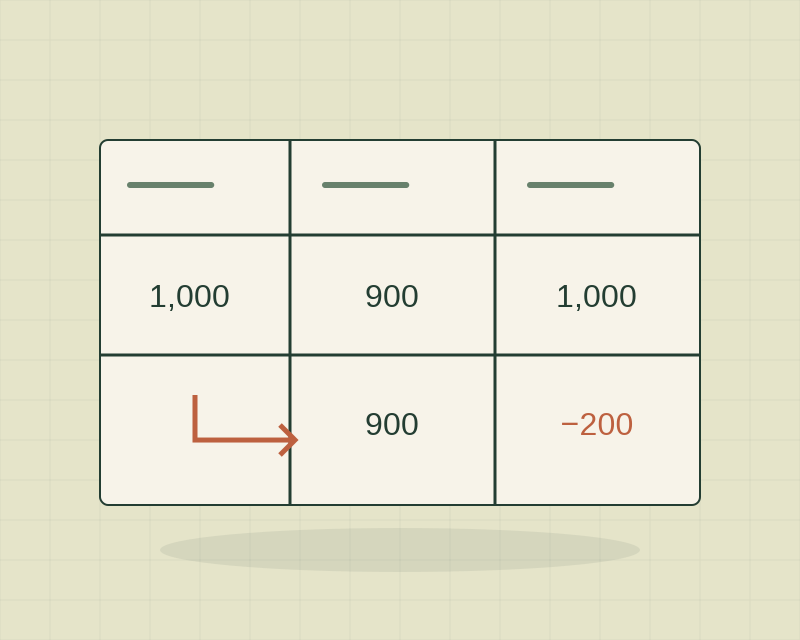
B conserva un saldo de 400 − 150 = 250. Los saldos suman 400 + 250 + 100 = 750 pendientes. Bajo la regla del ejemplo, 400 están corrientes y 250 + 100 = 350 están vencidos. No sumes el importe original de B y su saldo como dos deudas.
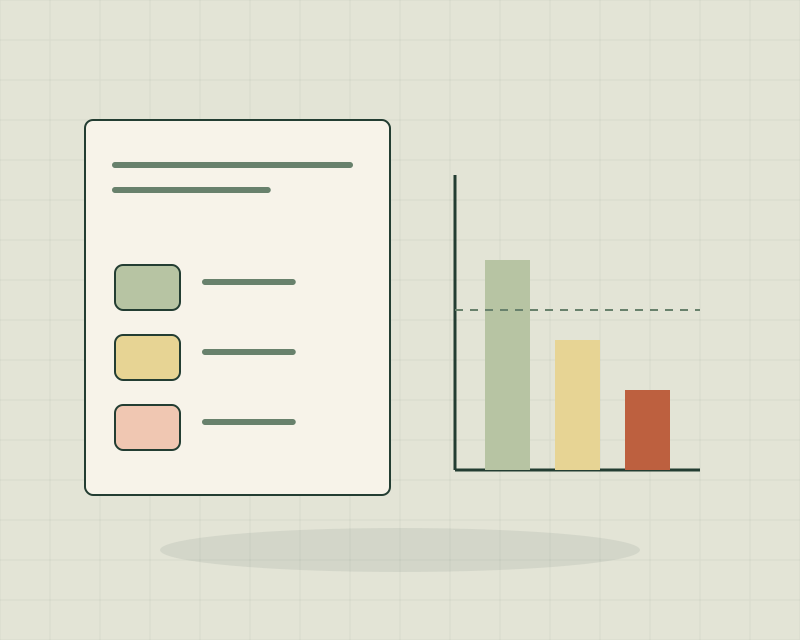
Puedes agrupar B en 1–30 días y C en 31–60. Esos intervalos organizan la revisión; no fijan consecuencias contractuales ni demuestran que un importe sea incobrable.
Investiga referencias antes de interpretar
- ¿El vencimiento corresponde al acuerdo vigente?
- ¿Hay pagos o ajustes que aún no se aplicaron correctamente?
- ¿La factura llegó al destinatario acordado?
- ¿Existe una aclaración o desacuerdo abierto?
- ¿Qué dato permite comprobar el saldo al corte?
La antigüedad mide tiempo bajo una regla, no intención de la persona cliente. Un retraso puede necesitar aclarar documentos o estados; la tabla no autoriza a atribuir desinterés ni a prometer una recuperación.
Prepara un siguiente paso que corresponda al caso
Para B, una acción propuesta podría ser confirmar con la persona responsable el saldo y la referencia del pago parcial. Para A, que todavía no vence, podría bastar comprobar que la documentación esté disponible. No todos los grupos requieren el mismo mensaje ni la misma urgencia.
Si se acuerda otra condición, conserva quién la confirmó y qué reemplaza. La guía de facturación por uso explica cómo se calcula un cargo; aquí examinamos qué parte sigue abierta después de emitirlo.
Mantén el informe junto a su evolución
En el siguiente corte, registra pagos aplicados, ajustes y nuevas facturas sin borrar el anterior. Un saldo vencido menor puede deberse a cobros, correcciones u otros movimientos: conserva su explicación en vez de atribuirlo automáticamente a una acción comercial.
El calendario de caja proyecta cuándo entraría dinero; este informe describe saldos a un corte. La revisión semanal puede dar seguimiento. El ejercicio no sustituye conciliación contable ni determina recuperación, utilidad o efectivo disponible.
Unpaid Invoices: Sort Open Balances by Due Date Before Follow-Up
Issued invoices alone do not show how much remains uncollected. Review requires applied payments and a distinction between amounts not yet due and those past their agreed date.
Retain a cutoff and explicit aging rule. Check balance, due date and evidence before choosing contact; classification does not explain a missing payment.
Define the cutoff and report scope
Choose a date, currency and included invoices. Keep the agreed due date as well as issue date. Here overdue age starts the day after the due date; an invoice not yet due stays current.
Intuit’s 2025 education material describes aging reports summarizing unpaid invoices. We use that review question without current menu instructions or tax treatment. The example’s classification is our own proposal.
Reconstruct the open balance first
Retain original amount, actually applied payments and documented adjustments for each invoice. An unverified transfer notice is not deducted as confirmed payment. If bank, receipt and ledger differ, identify what needs reviewing.
The following fictional case has no adjustments, additional interest or different currencies. Values are invented monetary units, rather than real customer invoices or instructions to alter accounting records.
Separate three situations at one cutoff
| Invoice | Original | Applied payments | Open balance | Cutoff situation |
|---|---|---|---|---|
| A | 400 | 0 | 400 | Due in 5 days |
| B | 400 | 150 | 250 | 12 days overdue |
| C | 100 | 0 | 100 | 38 days overdue |
B retains 400 − 150 = 250. Open balances sum to 400 + 250 + 100 = 750. Under the example rule, 400 is current and 250 + 100 = 350 overdue. Do not count B’s original amount and remaining balance as two debts.
Group B into 1–30 days and C into 31–60 if useful. These intervals organize review; they determine neither contractual consequences nor uncollectibility.
Investigate references before interpretation
- Does the due date match the current agreement?
- Are payments or adjustments awaiting correct application?
- Did the invoice reach the agreed recipient?
- Is a clarification or dispute open?
- Which evidence checks the cutoff balance?
Aging measures time under a rule, rather than customer intent. Delay may require document or status clarification; the table neither establishes disinterest nor promises recovery.
Prepare a next step suited to the case
For B, a proposed action is confirming the balance and partial-payment reference with the responsible person. For A, not yet due, checking document availability may suffice. Different groups need not receive identical messages or urgency.
If a condition changes by agreement, retain who confirmed it and what it replaces. Our usage billing guide explains charge calculation; here we inspect the portion still open after issue.
Keep the report with its evolution
At the next cutoff, record applied payments, adjustments and new invoices without erasing the previous report. Lower overdue balances can reflect collections, corrections or other movements; retain the explanation rather than automatically attributing it to a sales action.
A cash calendar projects incoming money; this report describes cutoff balances. A weekly review supports follow-through. This exercise does not replace accounting reconciliation or determine recovery, profit or available cash.
待收发票:跟进前先按到期日整理未收余额
已开发票清单本身,不能说明还有多少未收。审核需扣除已核销付款,并区分未到期和超过约定日期的金额。
保留截止时点与明确账龄规则。选择联系步骤前,核对余额、到期日和证据;分类不能解释为何未付款。
定义截止与纳入范围
选择日期、币种和发票范围,除开票日外,还要保留约定到期日。本练习从到期次日开始计算逾期天数;未到期发票归入未逾期组。
Intuit 2025 年教学资料描述了汇总未付发票的账龄报告。本文借用该审核问题,不提供当前菜单操作或税务处理。示例分类为本站自拟。
先重建未收余额
每张发票保留原金额、实际核销付款和有记录的调整。待核实转账通知不能扣作已确认付款。银行、凭证与记录有差异时,应明确待审核事项。
以下虚构案例没有调整、额外利息或不同币种。数字是虚构货币单位,不代表真实客户发票,也不是修改会计记录的指令。
在同一截止区分三种情况
| 发票 | 原金额 | 已核销付款 | 余额 | 截止情况 |
|---|---|---|---|---|
| A | 400 | 0 | 400 | 5 天后到期 |
| B | 400 | 150 | 250 | 逾期 12 天 |
| C | 100 | 0 | 100 | 逾期 38 天 |
B 余额为 400 − 150 = 250。未收合计 400 + 250 + 100 = 750。按本例规则,400 未逾期,250 + 100 = 350 逾期。不要把 B 原金额与余额算成两笔债务。
需要时可将 B 分入 1–30 天,C 分入 31–60 天。这些区间组织审核,不决定合同后果,也不证明金额无法收回。
解释前先核对引用
- 到期日是否符合现有约定?
- 是否有付款或调整尚未正确核销?
- 发票是否送达约定接收人?
- 是否仍有澄清或争议?
- 什么证据能核对截止余额?
账龄按规则计时,不衡量客户意图。延迟可能需要核对文件或状态;表格不证明对方没兴趣,也不承诺回收。
按具体情况准备下一步
B 的拟定行动可以是与负责人核对余额及部分付款引用。A 尚未到期,可能只需确认文件可获取。不同组不必使用相同消息或紧迫程度。
若协商改变条件,保留谁确认、替代什么。本站按量计费指南说明收费算法,这里检查开票后哪部分仍未结清。
连同变化保留报告
下次截止时记录已核销付款、调整和新发票,不删除旧报告。逾期余额下降可能来自收款、更正或其他变动,应保存解释,不自动归因于销售行动。
Fuentes y método
Fuentes consultadas el 26 de octubre de 2026. Los escenarios y cifras ilustrativos son ficticios. Las fichas y ejercicios son propuestas editoriales originales, sin resultados de clientes ni pruebas de proveedores atribuidos. Editorial standards · Disclosures.