Compare defined quantities of the same service over the same period. Retain counting rules, inclusions and exceptions before multiplying a rate.
Separate timing from amount calculation
A subscription can recur while its amount varies with consumption. Stripe documentation distinguishes flat-rate, per-seat, tiered and usage-based models. “Monthly” names a period; it does not by itself explain how the total is calculated.
We use that distinction to read an offer, without implementing an integration or recommending a provider. No real prices are presented. Our platforms guide asks who pays for which interaction; here we examine how a billing unit is counted.
Write which event becomes one unit
Imagine a fictional report-generation service. One unit is a completed report with a unique identifier during the billing month. For this example, failed attempts do not count and repeating the same event adds no unit. These are invented case conditions, rather than general billing rules.
Those questions change a comparison. “Request sent” and “report completed” can yield different quantities. Add what happens when a report is corrected, when counting closes and which time zone applies. Do not assume two providers share a definition.
Compare scenarios with equal scope
In our fictional model, the fixed option costs 60 monetary units per month for any report quantity within the example. Usage costs 0.8 per completed report with no base fee. Both include the same features and have no additional charges, taxes, discounts or limits in this simplified exercise.
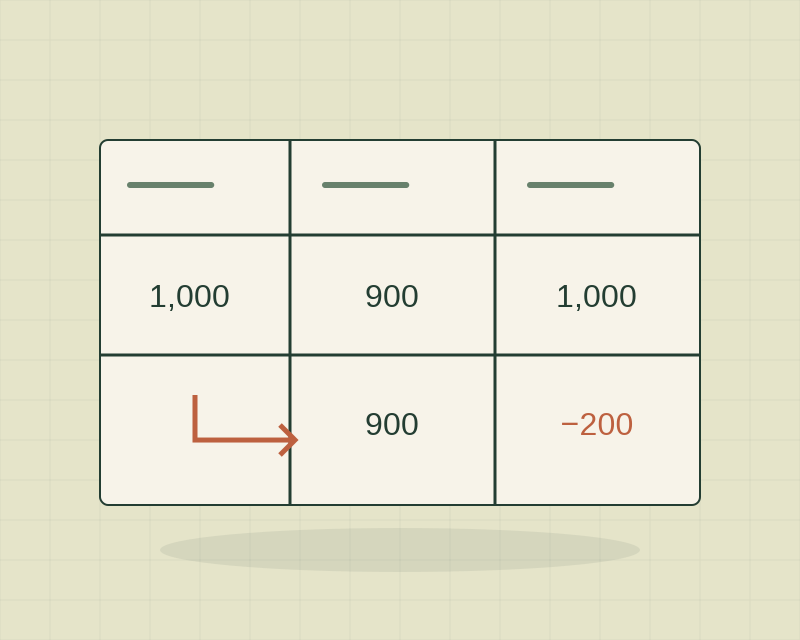
| Completed reports | Fixed fee | Usage: quantity × 0.8 |
|---|---|---|
| 50 | 60 | 40 |
| 100 | 60 | 80 |
| 150 | 60 | 120 |
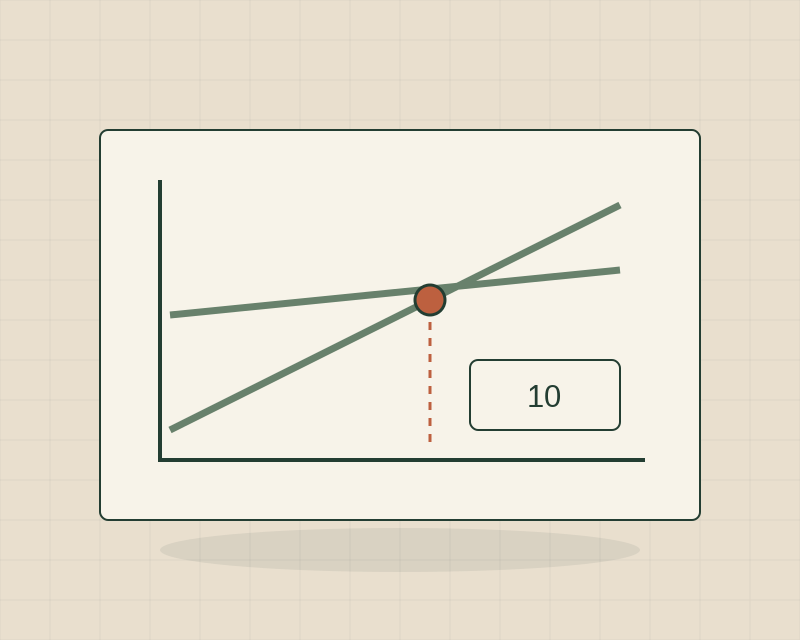
At 75 reports both total 60: 75 × 0.8 = 60. This is where the two formulas cross, rather than the provider business’s break-even point or a consumption forecast.
Check what changes outside the example
A real offer may include units, charge tiered overages, impose a minimum or add another fee. Write its formula before reusing the table. Also compare features, support, period and change conditions; a smaller amount does not make different scopes equivalent.
Service break-even calculates the seller’s cost coverage. This comparison calculates purchase amounts under given rules. Choosing also requires an activity estimate with its uncertainty and evidence.
Ask for an explainable count
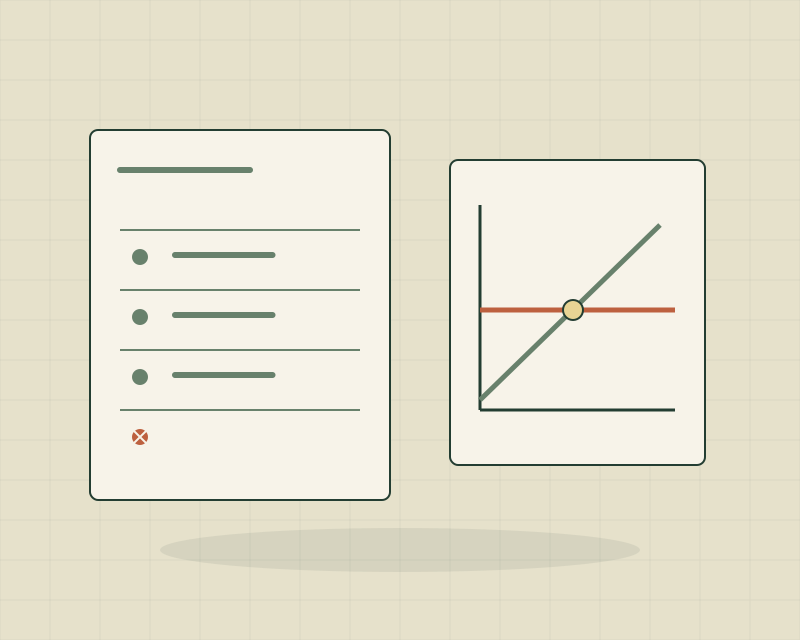
- Billable unit name and definition.
- Counting period, cutoff and time zone.
- Reference distinguishing events and repetitions.
- Treatment of failures, corrections and included units.
- Rate, terms version and amount calculation.
Using permitted records, take a small sample and check how activity becomes units and a total. An activity row does not automatically equal a charge. Avoid personal information unnecessary to explain the calculation.
Review consumption and payment separately
A provisional counter may change before closing. Identify whether you see measured activity, an estimated amount, an issued invoice or confirmed payment. Our cash calendar guide then organizes money inflow and outflow dates.
Retain definitions, assumptions and scenarios alongside the comparison. The calculation explains what the model would charge at those quantities; it establishes neither actual savings, profitability, ability to pay nor constant future consumption.
Follow the evidence.
Sources checked October 24, 2026. Illustrative scenarios and numbers are fictional. The records and exercises are original editorial proposals, without attributed customer results or provider tests. Our editorial standards.