Escribe un problema observable, comprueba cada respuesta con algo que puedas revisar y prueba una corrección que actúe sobre la causa encontrada.
Delimita el error
Anota el momento y la cantidad de casos. En el ejemplo, tres de doce fichas de producción llegaron sin el número de páginas. El campo hizo falta al preparar el papel. Guarda las tres fichas y una que haya llegado completa. ASQ presenta los cinco porqués como una forma de seguir una pregunta a través de varias capas. El número de preguntas puede variar con el caso.
Recorre los primeros tres porqués
¿Por qué se detuvo la preparación? La ficha no indicaba cuántas páginas iban a encuadernarse. Se puede ver el campo vacío. ¿Por qué estaba vacío? La exportación omitió el dato aunque estaba en el pedido. El equipo lo comprueba al abrir las dos versiones. ¿Por qué lo omitió? La ficha lee un campo antiguo. La configuración muestra qué campo toma.
Al lado de cada respuesta escribe qué la sostiene. Si tienes una sospecha y todavía no puedes revisarla, márcala como hipótesis.
Comprueba si hay más de un camino
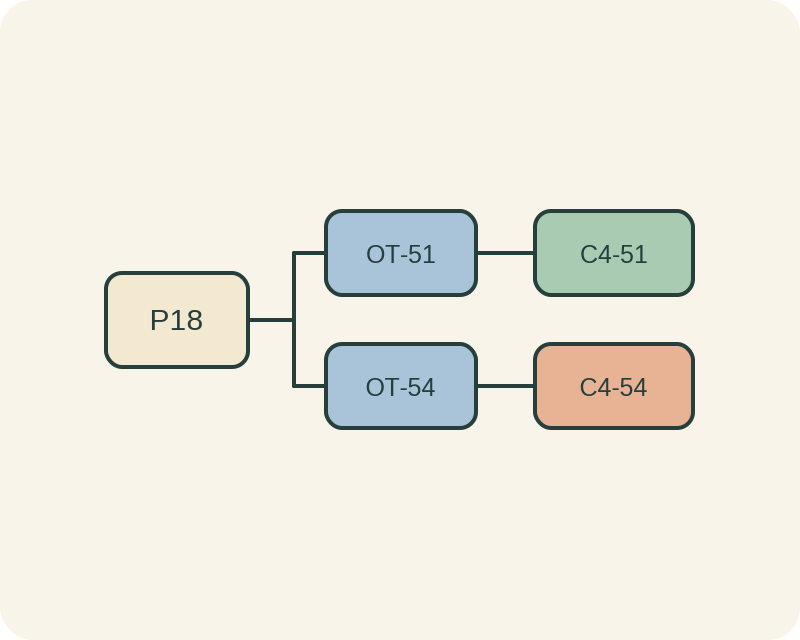
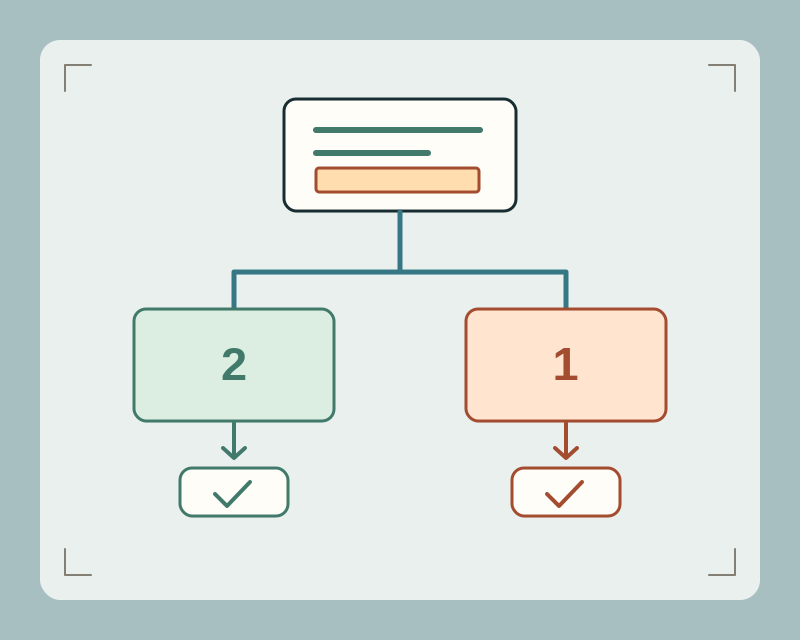
Dos encargos usan la misma plantilla antigua. El tercero salió de una plantilla actual, pero el pedido de origen tampoco tenía el dato. Abre una rama para ese caso. La primera corrección puede recuperar un dato que ya existe. La otra rama necesita definir cuándo y con quién se captura.
Prueba antes de cambiar todas las fichas
Corrige el campo de la plantilla antigua y genera dos fichas de prueba con números diferentes. Abre los archivos que recibirá producción y verifica el valor. Genera también una ficha con el pedido incompleto. Elige cómo debe señalar la falta para que el equipo pueda resolverla antes de preparar papel.
Guarda la cadena y vuelve a observar
Conserva las fichas iniciales, las respuestas, la evidencia y el resultado del ensayo. Durante la siguiente semana, registra el número de fichas generadas y cuántas necesitaron aclaración. Si la misma falta reaparece, identifica cuál rama se repitió antes de cambiar otro elemento.
Using the five whys with evidence to investigate a recurring error
A fictional bookbinder receives production sheets. Three jobs in one week arrived without a page count, so preparation stopped while someone asked. The meeting starts with one sheet and the order it came from.
Write down an observable problem, check each answer against something you can review and test a correction that addresses the cause you find.
Define the error
Record when it happened and the number of cases. In this example, three of twelve production sheets arrived without a page count. The count was needed while preparing paper. Keep the three sheets and one complete sheet. ASQ presents the five whys as a way to follow a question through several layers. The number of questions can vary by case.
Follow the first three whys
Why did preparation stop? The sheet did not give the number of pages to bind. The blank field is visible. Why was it blank? The export omitted the value even though it was in the order. The team checks by opening both versions. Why did the export omit it? The sheet reads an older field. The configuration shows which field it uses.
Write what supports each answer beside it. When you have a suspicion you cannot yet check, mark it as a hypothesis.
Check for more than one path
Two jobs use the same old template. The third came from a current template, but its source order lacked the value too. Start a separate branch for that case. The first correction can recover an existing value. The other branch needs a decision about when and from whom to collect it.
Test before changing every sheet
Fix the old template’s field and produce two test sheets with different page counts. Open the files production will receive and verify each value. Produce one more sheet from an incomplete order. Decide how it should show the missing count so the team can resolve it before preparing paper.
Keep the chain and observe again
Keep the original sheets, answers, evidence and trial results. Over the next week, record the number of sheets generated and how many needed clarification. If the same field is missing again, identify which branch recurred before changing another part.
用有证据的五问法调查反复出现的错误
一家虚构装订作坊通过生产单接单。一周有三单缺少页数,备纸工作因此停下,得先去询问。讨论时先拿出一张生产单和生成它的原订单。
写下可观察的问题,用能查阅的材料验证每个回答,再试验针对已发现原因的改动。
界定错误范围
记下时间和案例数。本例十二张生产单有三张没有页数,而准备纸张时需要这个字段。保留三张缺页数的单子和一张完整的单子。ASQ 将五问法介绍为逐层追问的方法。实际提问次数会随案例变化。
追问前三层原因
为什么备纸停下?生产单没写要装订多少页,字段确实为空。为什么是空的?订单里有页数,导出时却漏掉了,打开两个版本就能核对。为什么导出会遗漏?生产单读取的是旧字段,配置显示了它实际引用的字段。
在每个回答旁写下依据。如果暂时无法核实某个猜测,就标为待验证假设。
检查是否有多条原因链
两张单用了同一个旧模板。第三张用了现行模板,但源订单也没有页数。把这个案例另开一条原因链。第一种改动可以恢复已经存在的数据,另一条则要明确何时、向谁收集页数。
在更改所有生产单之前先试验
改正旧模板的字段,用不同页数生成两张测试单。打开生产人员将收到的文件,核对各自的值。再用一份不完整的订单生成测试单。决定怎样提示缺少页数,以便团队在备纸之前处理。
保留原因链并再次观察
保存最初的生产单、回答、证据和试验结果。下一周记录生成多少张单、其中多少张需要再问。如果再次缺页数,先确认重现的是哪条原因链,再改其他环节。
Fuentes y método
Fuentes consultadas el 11 de noviembre de 2026. Los casos y datos numéricos de los ejercicios son ficticios. Editorial standards · Disclosures.