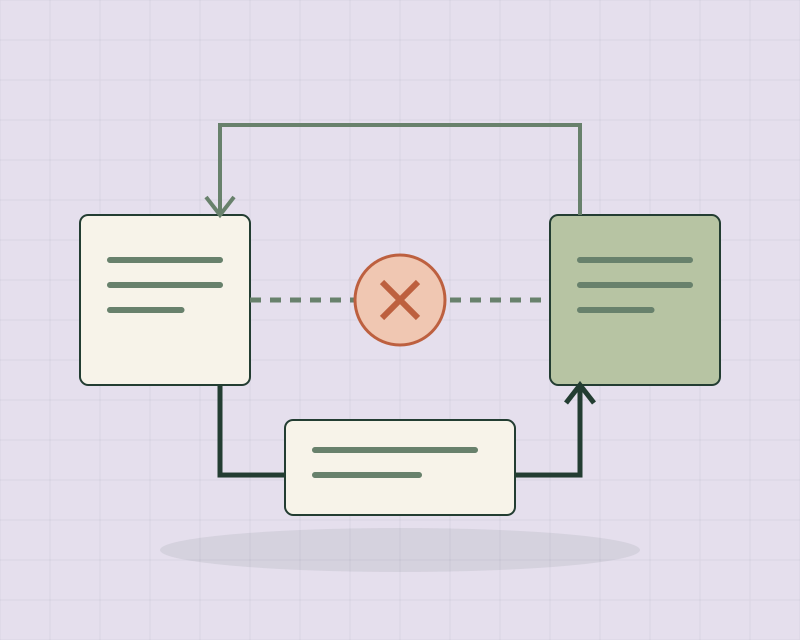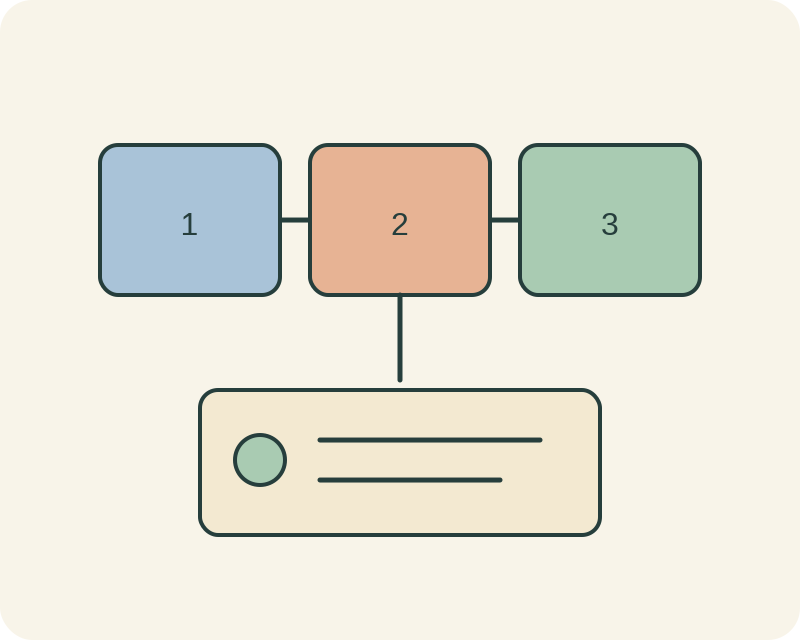
Describe a specific uncertainty, its potential effect and who will review the response. Keep assumptions and missing information visible.
Choose an objective you can recognize
Start with a decision and a time frame: opening a first bookbinding session for six people next month, for example. This is a fictional case. Writing down its date, scope and owner lets you ask which uncertainties could affect that session without turning the record into an endless list of fears.
The UK government’s Orange Book defines risk in relation to uncertainty about objectives and uses causes, events and consequences to express it. We borrow that conceptual structure for a small exercise; we do not present its government framework as a requirement for a microbusiness.
Write the whole chain
In this example, the cause would be reliance on an unconfirmed material; the possible event, that material being unavailable before the session; and the consequence, having to change the advertised exercise. “Failure” leaves too much room for interpretation. A specific chain identifies the missing confirmation to investigate.
Avoid writing every concern as a certainty. If the supplier has already confirmed that delivery will not happen, record an issue that has occurred and decide what to do now. Uncertainty about a future delivery and a confirmed failure need different statuses.
Add context for a decision
Our proposed record adds available evidence, response, owner, review trigger and date. A trigger says when to look again: reaching the preceding Friday without written confirmation, for example. Do not confuse it with a measured probability. Where data is missing, write unknown and how you will obtain it.
| Field | Example content |
|---|---|
| Objective | Hold the first advertised session |
| Cause → event → effect | Unconfirmed material → unavailable before session → change of exercise |
| Proposed response | Confirm availability before opening reservations |
| Owner and review | Coordinator; review on the preceding Friday |
Friday is an agreement in the example, not a recommended deadline for every project. Adapt the trigger to the time you actually need to respond.
Give the proposed response an owner
For this session, the team might request confirmation before advertising or prepare an alternative exercise and explain its conditions. Compare the effort of each option with the objective. A written response remains a proposal until its owner accepts it and the work is performed.
Ask which uncertainty remains after that action. Confirming material does not confirm attendance, venue quality or the instructor’s preparation. You need not combine all of these questions in one row: keep each chain clear enough to review.
Prioritize without inventing precision
With several records, discuss consequences, proximity and the ability to respond. Retain the reason for the chosen priority. Assigning an intuitive 80% and multiplying it by a score does not create evidence; an honest description of the unknown may better guide the next enquiry.
A long list does not establish that a project is safe or complete. For activities requiring specialist review, include that review in the necessary work. This editorial template does not replace a technical assessment.
Review and retain what changed
On the agreed date, record what was confirmed, which action was completed and which decision remains open. If the objective or session date changes, reread the chain: its consequence may have changed too.
Use the related weekly review guide to coordinate decisions across several records. The result here is a concern someone can understand and review before the event, with its limits visible.
Follow the evidence.
Sources checked October 31, 2026. Illustrative cases, people, codes and numbers are fictional. These are original editorial proposals and exercises, without claiming actual server-log analysis, store tests, sowing or customer results. Our editorial standards.