Calculate the required pace in minutes per unit and compare it with observed output. If there is a gap, find where it builds before committing to a date.
Set the period and count comparable units
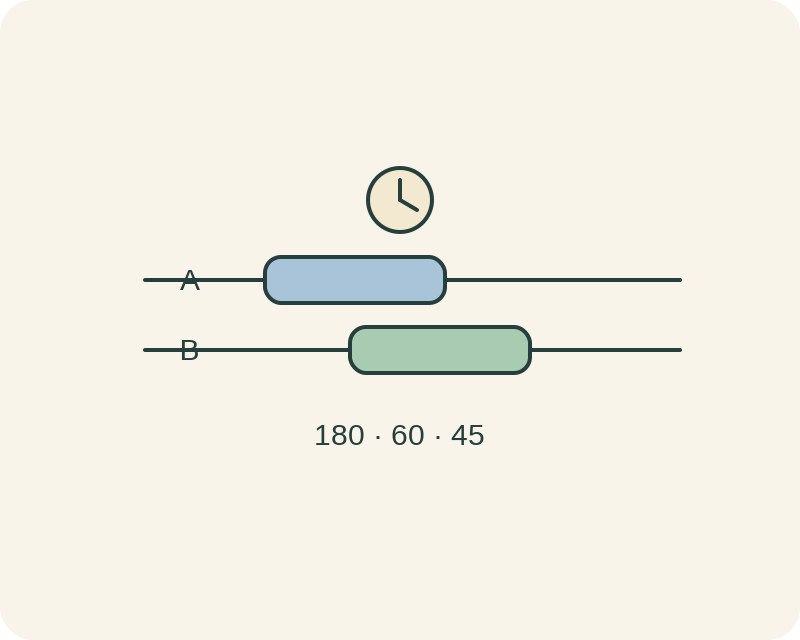
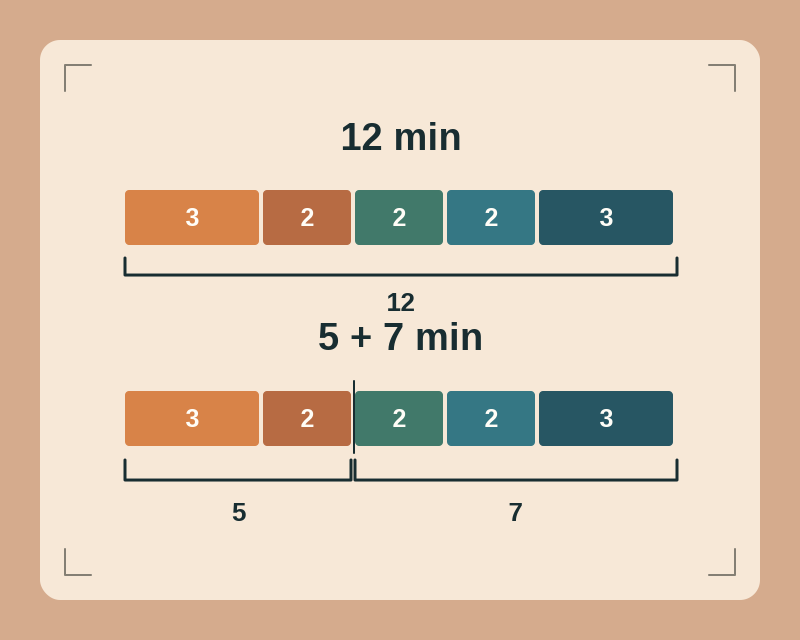
Use the number of acceptable units due in that shift and the minutes available to make them. The workshop starts with a 480-minute shift and subtracts 60 minutes of planned breaks when no production takes place. Keep 420 minutes and 70 kits as separate inputs. Record unplanned stops separately to see how they affected the actual pace.
Calculate the target
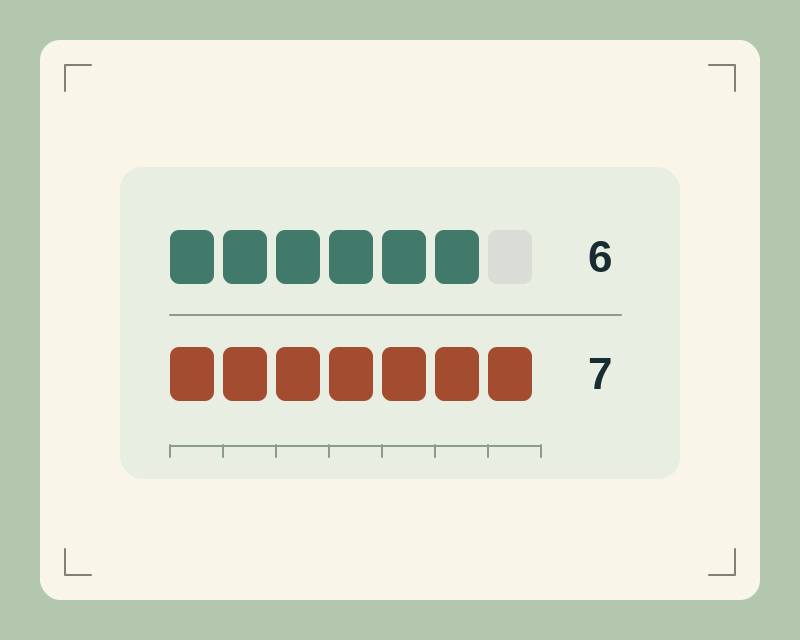
Divide 420 minutes by 70 kits: takt time is six minutes per kit. If the order rises to 84 and the same 420 minutes are available, the required pace becomes five minutes per kit. The calculation gives the pace needed; the workshop still has to test whether it can sustain it.
Measure output under ordinary conditions
In the example, a single packing bench puts out one accepted kit roughly every seven minutes. At that pace and without further stops it would make about 60 in 420 minutes, ten short. Time several completions and record rejects and the queue ahead of that bench. If two benches worked in parallel, measure the rate of their combined output.
Investigate a specific loss
Watch whether packing waits for labels, prepares materials at box changes or repeats checks. If the timings show that labels are printed one at a time, try preparing them in batches while retaining the matching check. Measure accepted units again and see whether the queue moved to another station.
Update the numbers before making a promise
Write down the period, demand, minutes, observed pace and next test. Recalculate when volume or time changes. If the gap remains, use the findings to renegotiate quantities or the delivery date.
Follow the evidence.
Sources checked November 14, 2026. The exercise scenarios and figures are fictional. Our editorial standards.