Set the unit and agreed deadline for each order. Count orders whose full quantity arrived by that date and keep cases awaiting confirmation visible.
Define a fulfilled order
This record uses one purchase order as the unit. An order counts if all agreed quantities have arrived by the deadline. Record the due date and each line reference. A split delivery can qualify when every part arrives on time.
APQC publishes a measure for sales orders delivered complete and on time and a separate measure of supplier punctuality. This exercise adapts the combined condition to an internal purchase record. Keep its rules with any rate you share.
Define the orders included at cutoff
Include orders due within the period and covered by the report. An order due next month stays outside the set. Retain dates, quantities and authorized changes so the calculation can be repeated.
If the date is renegotiated, record both the original and revised dates. Decide which governs this review and keep the other to explain the change. This makes the change of agreement visible.
Combine receipts for four orders
In this fictional case, all four orders are due Tuesday and the cutoff is Wednesday evening. The team checked receipts against supporting records.
| Order | Agreed quantity | Receipts | Both met |
|---|---|---|---|
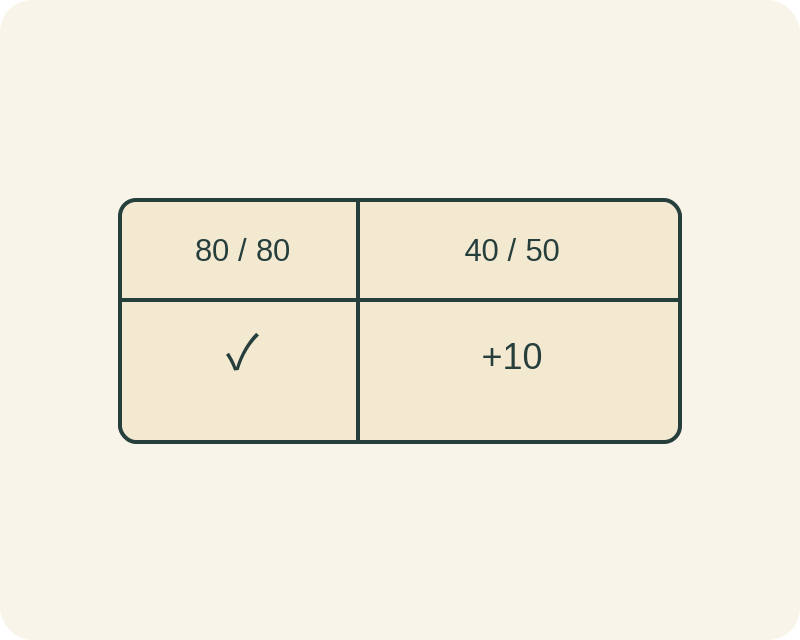
| A | 80 | 80 on Tuesday | Yes |
| B | 50 | 40 Tuesday and 10 Wednesday | No |
| C | 30 | 30 on Wednesday | No |
| D | 20 | None by cutoff | No |
One of four orders meets both conditions. The example rate is 25%. B was completed after the deadline. Keeping that separate from D helps frame different questions.
Resolve gaps in the records
If a receipt record is missing, keep the order pending and show how many have sufficient evidence. Missing documentation can change how the rate is read. Find the warehouse record and actual date before deciding how to classify it.
For multi-line orders, verify each reference. Extra units of one item do not automatically make up for a shortage of another. Agree how to record rejected units and accepted substitutions.
Use the result to frame a specific conversation
Look for common issues with timing, quantity or identification. In the example, ask what changed between B’s two shipments and what evidence exists for D. Four orders can start a conversation, with limited scope for judging typical performance.
To compare suppliers, use the same period, unit and rule. Show counts as well, so a high rate based on few orders has context.
Keep the rule with the data
Keep order, reference date, line quantities, receipts, outcome and reason. The order, receipt and invoice guide investigates one file. This record takes verified receipts and summarizes combined fulfillment for the period.
Follow the evidence.
Sources checked November 4, 2026. Illustrative scenarios and numbers are fictional. Original exercises and records, without attributed customer results or field observations. Our editorial standards.