Fija la unidad y el plazo acordado de cada pedido. Cuenta las órdenes que completaron su cantidad en la fecha prevista y conserva los casos pendientes de confirmar.
Escribe qué se considera un pedido cumplido
Para esta ficha usamos una orden de compra como unidad. Una orden cuenta si al cierre del plazo se recibieron todas sus cantidades acordadas. Registra la fecha límite y las referencias por línea. Una entrega fraccionada puede cumplir si todas sus partes llegan dentro del plazo.
APQC publica una medida de pedidos de venta entregados completos y a tiempo y otra de puntualidad de proveedores. Este ejercicio adapta la condición conjunta a un registro interno de compras. Sus reglas deben acompañar cualquier cifra que compartas.
Fija qué órdenes entran al corte
Incluye órdenes cuyo plazo venció en el periodo y que pertenecen al alcance del informe. Un pedido con fecha del próximo mes aún queda fuera. Conserva fechas, cantidades y cambios autorizados para poder repetir el cálculo.
Si la fecha se renegocia, registra tanto la original como la nueva. Decide cuál gobierna esta revisión y conserva la otra para explicar el cambio. Así una modificación del acuerdo queda visible en lugar de desaparecer en una celda.
Reúne las recepciones de cuatro órdenes
En este caso ficticio, las cuatro órdenes vencen el martes y el corte se hace al terminar el miércoles. El equipo verificó todas las recepciones en sus comprobantes.
| Orden | Cantidad acordada | Recepciones | Cumplió ambas |
|---|---|---|---|
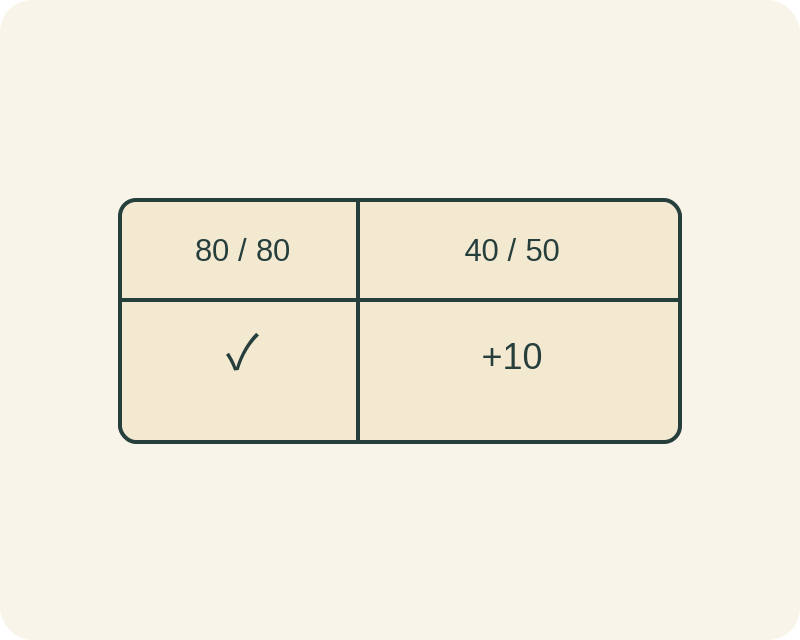
| A | 80 | 80 el martes | Sí |
| B | 50 | 40 el martes y 10 el miércoles | No |
| C | 30 | 30 el miércoles | No |
| D | 20 | Ninguna hasta el corte | No |
Una de cuatro órdenes cumple ambas condiciones. La tasa del ejemplo es 25 %. B terminó completa después del plazo. Separar esa situación de D permite preparar preguntas diferentes.
Resuelve las dudas del registro
Si falta el comprobante de recepción, conserva el estado pendiente y muestra cuántas órdenes tienen evidencia suficiente. Un faltante documental puede cambiar la lectura de la tasa. Para verificarlo, busca el documento del almacén y la fecha real antes de decidir cómo clasificar la orden.
En pedidos de varias líneas, comprueba cada referencia. Un excedente de una pieza no compensa automáticamente la falta de otra. Acuerda también cómo documentar unidades rechazadas o sustituciones aceptadas.
Usa el resultado para una conversación concreta
Revisa si los casos comparten problema de plazo, cantidad o identificación. En el ejemplo preguntarías qué cambió entre los dos envíos de B y qué evidencia existe sobre D. Cuatro órdenes permiten preparar la conversación, aunque su alcance es pequeño para juzgar el desempeño habitual.
Si comparas proveedores, usa el mismo periodo, unidad y regla. Presenta también los conteos para que una tasa alta con pocas órdenes pueda leerse en contexto.
Deja la regla junto a los datos
Conserva orden, fecha de referencia, cantidades por línea, recepciones, resultado y motivo. El cotejo de pedido, recepción y factura permite investigar un expediente individual. Esta ficha toma las recepciones verificadas y resume el cumplimiento conjunto en el periodo.
How to measure supplier orders that arrive on time and in full
A truck arriving on the scheduled day helps little if it leaves half the parts you need. Measuring both conditions together brings the orders that actually finished by the deadline into the supplier review.
Set the unit and agreed deadline for each order. Count orders whose full quantity arrived by that date and keep cases awaiting confirmation visible.
Define a fulfilled order
This record uses one purchase order as the unit. An order counts if all agreed quantities have arrived by the deadline. Record the due date and each line reference. A split delivery can qualify when every part arrives on time.
APQC publishes a measure for sales orders delivered complete and on time and a separate measure of supplier punctuality. This exercise adapts the combined condition to an internal purchase record. Keep its rules with any rate you share.
Define the orders included at cutoff
Include orders due within the period and covered by the report. An order due next month stays outside the set. Retain dates, quantities and authorized changes so the calculation can be repeated.
If the date is renegotiated, record both the original and revised dates. Decide which governs this review and keep the other to explain the change. This makes the change of agreement visible.
Combine receipts for four orders
In this fictional case, all four orders are due Tuesday and the cutoff is Wednesday evening. The team checked receipts against supporting records.
| Order | Agreed quantity | Receipts | Both met |
|---|---|---|---|
| A | 80 | 80 on Tuesday | Yes |
| B | 50 | 40 Tuesday and 10 Wednesday | No |
| C | 30 | 30 on Wednesday | No |
| D | 20 | None by cutoff | No |
One of four orders meets both conditions. The example rate is 25%. B was completed after the deadline. Keeping that separate from D helps frame different questions.
Resolve gaps in the records
If a receipt record is missing, keep the order pending and show how many have sufficient evidence. Missing documentation can change how the rate is read. Find the warehouse record and actual date before deciding how to classify it.
For multi-line orders, verify each reference. Extra units of one item do not automatically make up for a shortage of another. Agree how to record rejected units and accepted substitutions.
Use the result to frame a specific conversation
Look for common issues with timing, quantity or identification. In the example, ask what changed between B’s two shipments and what evidence exists for D. Four orders can start a conversation, with limited scope for judging typical performance.
To compare suppliers, use the same period, unit and rule. Show counts as well, so a high rate based on few orders has context.
Keep the rule with the data
Keep order, reference date, line quantities, receipts, outcome and reason. The order, receipt and invoice guide investigates one file. This record takes verified receipts and summarizes combined fulfillment for the period.
如何衡量供应商订单是否按时且完整到货
卡车如期到达,但所需零件只到了一半,帮助有限。同时衡量时效与完整性,可以在供应商复盘时找出真正按期齐货的订单。
为每张订单确定单位和约定期限。统计在规定日期前收齐的订单,并保留待确认项。
写明什么算订单达标
本表以一张采购订单为单位。到期时收到全部约定数量,订单才计入达标。记录期限与每个明细编号。分批交付时,只要所有部分按期到达,仍可达标。
APQC 分别发布销售订单按时完整交付和供应商准时交付的指标。本练习把联合条件用在内部采购记录中。共享比率时,应同时保留这里的规则。
确定截点纳入哪些订单
纳入报告范围内、在本期到期的订单。下月到期的订单暂不进入。保留日期、数量和已获准变更,以便复算。
重新约定日期时,原日期与新日期都要记录。说明本次核查采用哪一个,保留另一日期来解释变化,使约定修改可见。
合并四张订单的收货记录
虚构案例中,四张订单都在周二到期,周三结束时截数。团队按凭证核实了收货。
| 订单 | 约定数量 | 收货 | 两项均达标 |
|---|---|---|---|
| A | 80 | 周二 80 件 | 是 |
| B | 50 | 周二 40 件,周三 10 件 | 否 |
| C | 30 | 周三 30 件 | 否 |
| D | 20 | 截点前未收到 | 否 |
四张中只有一张满足两项条件,比率为 25%。B 在期限后收齐。把它与 D 分开,可以提出不同问题。
处理记录里的疑问
缺收货凭证时保留待确认状态,并显示有足够证据的订单数。文件缺失会影响解读比率。先找仓库记录和实际日期,再决定如何分类。
有多条明细时逐条核对。某种货品多到的数量不能自动补足另一种的缺口。也要约定拒收和已接受替代品的记录方式。
用结果准备具体对话
查看问题是否集中在期限、数量或编号。案例中可问 B 的两次发运之间发生了什么,以及 D 有哪些证据。四张订单可以开启讨论,但判断通常表现的范围有限。
比较供应商时,应使用同一期间、单位和规则。也展示订单数,使少量订单得到的高比率有可读的背景。
把规则和数据一起保留
保留订单、基准日期、明细数量、收货、结果与原因。订单、收货和发票的指南调查单个档案。本文采用核实过的收货,在期间内汇总联合达标情况。
Fuentes y método
Fuentes consultadas el 4 de noviembre de 2026. Los escenarios y cifras ilustrativos son ficticios. Ejercicios y fichas originales, sin resultados de clientes ni observaciones de campo atribuidos. Editorial standards · Disclosures.