Tie lastmod to a published revision for each URL. Keep the original publication date and check the XML entries against editorial evidence.
Distinguish the dates available
Record first publication, latest significant revision and the time the XML file was generated. These can fall on the same day or on different dates. In a URL entry, the sitemap protocol allows an optional lastmod field for the modification date of the linked page.
If you are reviewing an index listing sitemap files, first identify what each entry represents. Its lastmod refers to the sitemap file. This guide works with page entries.
Describe the change before changing the date
Google says it uses lastmod when the value is consistently and verifiably accurate. Its documentation generally treats changes to main content, page links or structured data as significant. Use a concrete description to decide whether the date should be updated.
One example is adding a step that changes a guide’s instructions. Record the addition, the edition it reached and when it went live. An automatic run that only changes the footer year lacks that evidence.
Follow three editions of one guide
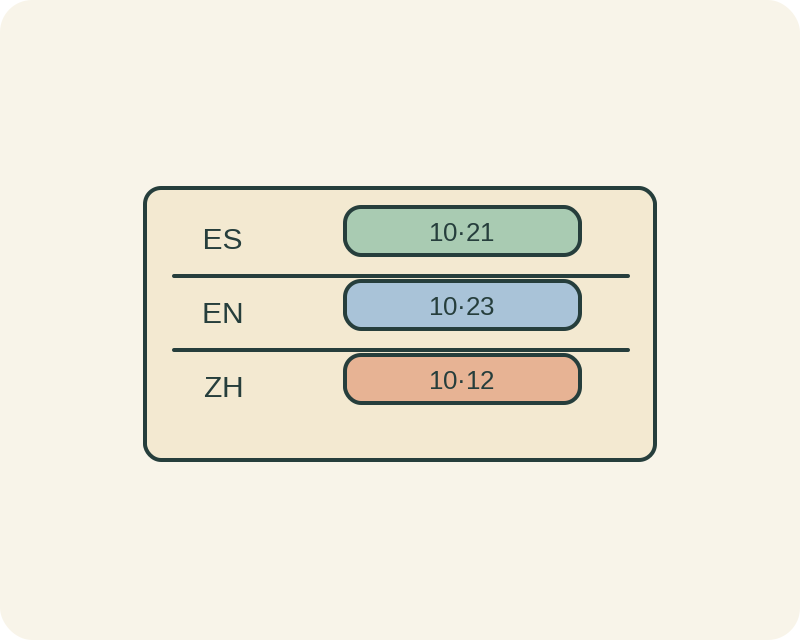
In this fictional case, all editions appeared on October 12. Spanish and English receive corrections on different days. Simplified Chinese retains its first published version.
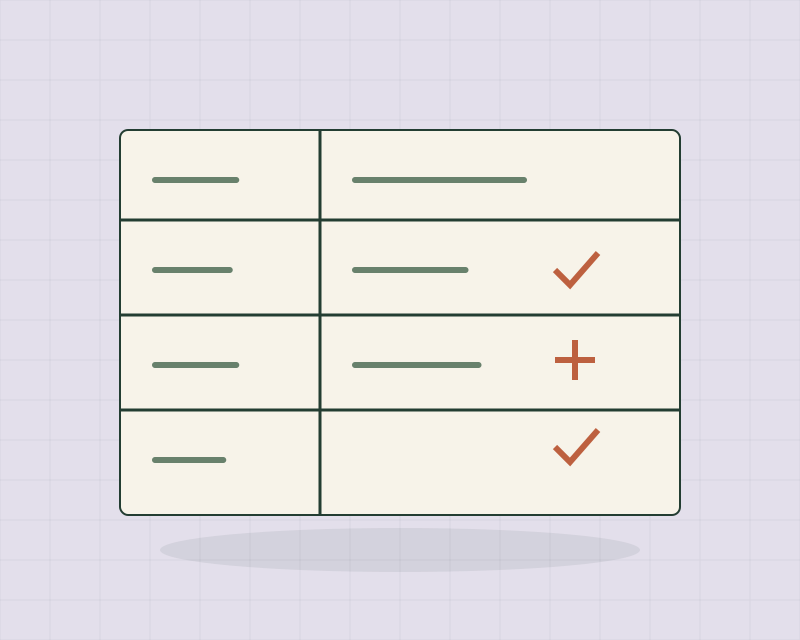
| Edition | Confirmed event | Expected lastmod |
|---|---|---|
| ES | Step corrected on October 21 | 2026-10-21 |
| EN | Correction published October 23 | 2026-10-23 |
| ZH | First published October 12 | 2026-10-12 |
Each row points to its own URL and retains a supported date. All three original dates are also kept as editorial data.
Check the published entry
Open the served sitemap and find the exact URL. Inspect loc, date and edition. The protocol supports a date with year, month and day. If your system includes a time, check its time zone offset as well.
Sample a recently revised URL, an edition whose update is pending and a stable page. This can reveal a generator that assigns one timestamp to every entry or copies the date from another language.
Treat missing evidence as a finding
During an archive migration, you may find articles without a reliable record of their last modification. Keep the question open and consult published revisions, editorial history or dated copies. The field is optional, so it can be omitted for a URL without a verifiable date.
Agreeing on that choice keeps estimated migration dates out of the sitemap. If evidence becomes available later, review the specific entry and record its source.
Keep a repeatable check
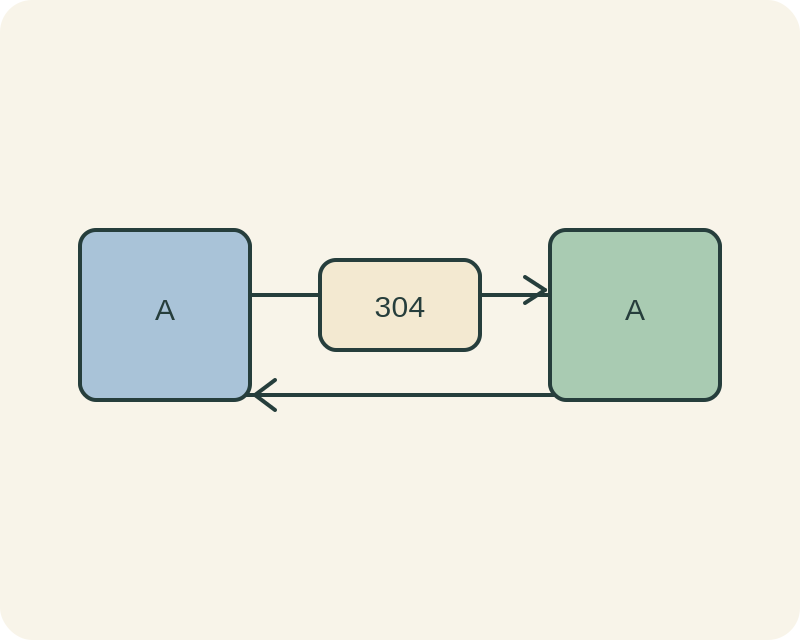
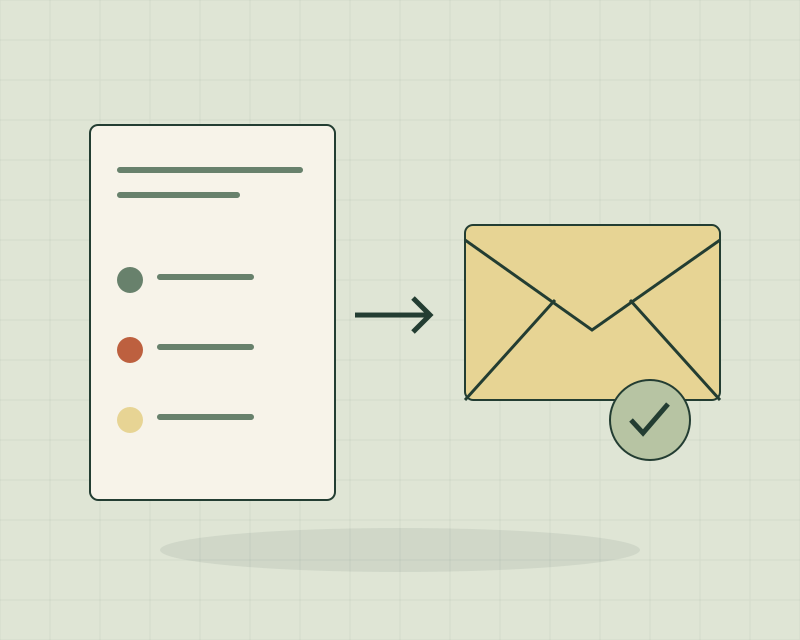
Keep URL, language, change description, version, date and verified XML entry. Repeat the comparison after another release. The IndexNow guide covers URL notifications and the HTTP 304 guide covers cache responses. The central evidence here is the match between page revision and sitemap date.
Follow the evidence.
Sources checked November 4, 2026. Illustrative scenarios and numbers are fictional. Original exercises and records, without attributed customer results or field observations. Our editorial standards.