Vincula lastmod con una revisión publicada de cada URL. Conserva la primera fecha de publicación y comprueba las entradas del XML contra su evidencia editorial.
Empieza por distinguir las fechas disponibles
Anota la primera publicación, la última revisión importante y el momento en que se generó el archivo XML. Pueden ocurrir el mismo día o en fechas diferentes. En cada entrada de URL, el protocolo de sitemaps permite un campo opcional lastmod para la fecha de modificación de la página enlazada.
Si revisas un índice que enumera archivos de sitemap, identifica primero qué representa cada entrada. Su lastmod corresponde al archivo de sitemap referido. Esta guía trabaja con entradas de páginas.
Describe el cambio antes de tocar la fecha
Google indica que usa lastmod cuando el valor es preciso de forma consistente y verificable. Su documentación considera generalmente relevantes los cambios en el contenido principal, los enlaces de la página o sus datos estructurados. Usa una descripción concreta para decidir si corresponde revisar la fecha.
Un ejemplo es añadir un paso que modifica las instrucciones de una guía. Registra cuál se añadió, a qué edición llegó y cuándo quedó disponible. Una ejecución automática que solo cambia el año del pie de página carece de esa evidencia.
Sigue tres ediciones de una misma guía
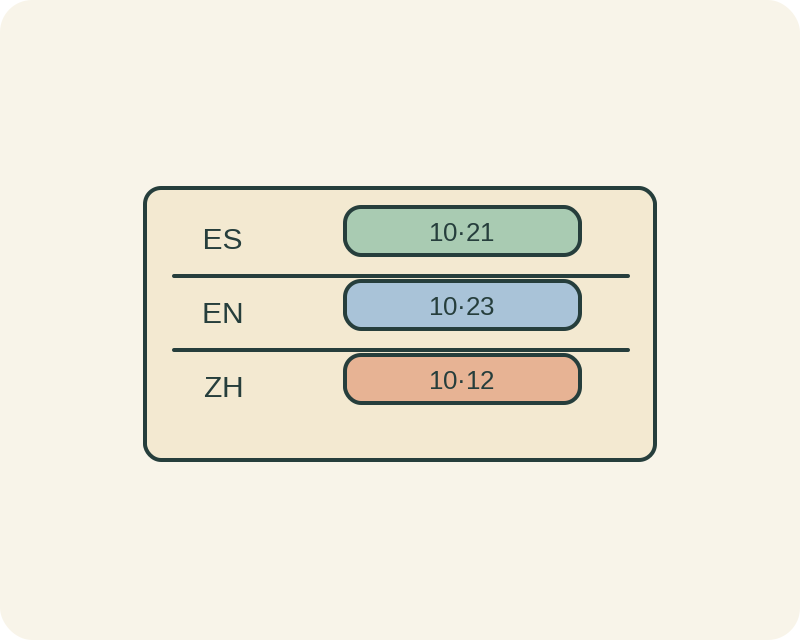
En este caso ficticio, las tres ediciones aparecieron el 12 de octubre. Español e inglés reciben una corrección en días distintos. Chino simplificado conserva la primera versión publicada.
| Edición | Hecho confirmado | lastmod esperado |
|---|---|---|
| ES | Paso corregido el 21 de octubre | 2026-10-21 |
| EN | Corrección publicada el 23 de octubre | 2026-10-23 |
| ZH | Primera publicación el 12 de octubre | 2026-10-12 |
Cada fila apunta a su URL y conserva una fecha respaldada. Las tres fechas iniciales se guardan también como datos editoriales.
Comprueba la entrada publicada
Abre el sitemap servido y busca la URL exacta. Revisa el loc, la fecha y la edición a la que pertenece. El protocolo admite una fecha sin hora con formato de año, mes y día. Si el sistema incluye la hora, verifica también el desplazamiento horario.
Toma una URL recién revisada, una edición que sigue pendiente y una página estable. Esa muestra revela si el generador copia un mismo instante a todas las entradas o arrastra la fecha de otro idioma.
Trata la ausencia de evidencia como un dato
Al migrar un archivo puedes encontrar artículos sin un registro fiable de su última modificación. Conserva la pregunta abierta y consulta versiones publicadas, historial editorial o copias fechadas. El campo es opcional, así que puedes omitirlo para una URL sin fecha verificable.
Acordar esta salida evita poblar el sitemap con fechas estimadas de un traslado técnico. Si recuperas evidencia después, revisa la entrada concreta y deja constancia de la fuente.
Prepara una comprobación que se pueda repetir
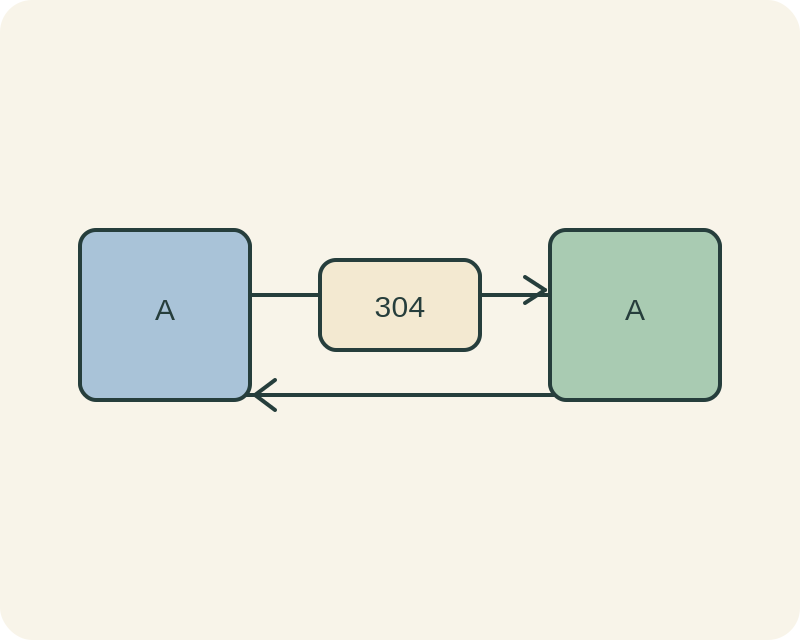
Guarda URL, idioma, descripción del cambio, versión, fecha y entrada comprobada del XML. Repite el cotejo tras publicar otra tanda. La guía de cambios de IndexNow cubre el aviso de URLs y la de HTTP 304 explica respuestas de caché. Aquí la evidencia principal es la correspondencia entre revisión de página y fecha en el sitemap.
Which date belongs in a sitemap lastmod field
A site update can regenerate hundreds of pages. To decide which date belongs in the sitemap, identify the edition that changed and when its revision went live.
Tie lastmod to a published revision for each URL. Keep the original publication date and check the XML entries against editorial evidence.
Distinguish the dates available
Record first publication, latest significant revision and the time the XML file was generated. These can fall on the same day or on different dates. In a URL entry, the sitemap protocol allows an optional lastmod field for the modification date of the linked page.
If you are reviewing an index listing sitemap files, first identify what each entry represents. Its lastmod refers to the sitemap file. This guide works with page entries.
Describe the change before changing the date
Google says it uses lastmod when the value is consistently and verifiably accurate. Its documentation generally treats changes to main content, page links or structured data as significant. Use a concrete description to decide whether the date should be updated.
One example is adding a step that changes a guide’s instructions. Record the addition, the edition it reached and when it went live. An automatic run that only changes the footer year lacks that evidence.
Follow three editions of one guide
In this fictional case, all editions appeared on October 12. Spanish and English receive corrections on different days. Simplified Chinese retains its first published version.
| Edition | Confirmed event | Expected lastmod |
|---|---|---|
| ES | Step corrected on October 21 | 2026-10-21 |
| EN | Correction published October 23 | 2026-10-23 |
| ZH | First published October 12 | 2026-10-12 |
Each row points to its own URL and retains a supported date. All three original dates are also kept as editorial data.
Check the published entry
Open the served sitemap and find the exact URL. Inspect loc, date and edition. The protocol supports a date with year, month and day. If your system includes a time, check its time zone offset as well.
Sample a recently revised URL, an edition whose update is pending and a stable page. This can reveal a generator that assigns one timestamp to every entry or copies the date from another language.
Treat missing evidence as a finding
During an archive migration, you may find articles without a reliable record of their last modification. Keep the question open and consult published revisions, editorial history or dated copies. The field is optional, so it can be omitted for a URL without a verifiable date.
Agreeing on that choice keeps estimated migration dates out of the sitemap. If evidence becomes available later, review the specific entry and record its source.
Keep a repeatable check
Keep URL, language, change description, version, date and verified XML entry. Repeat the comparison after another release. The IndexNow guide covers URL notifications and the HTTP 304 guide covers cache responses. The central evidence here is the match between page revision and sitemap date.
网站地图中的 lastmod 应该填哪一天
一次网站更新可以重新生成数百个页面。决定网站地图日期时,先找出实际发生变化的版本,以及该修订何时对外发布。
将 lastmod 与各网址已发布的修订关联。保留首次发布日期,并用编辑证据核查 XML 条目。
先区分可用日期
分别记录首次发布、最近一次重要修订以及生成 XML 文件的时间。它们可能同日,也可能不同。网站地图协议允许在网址条目中使用可选的 lastmod 字段,记录链接页面的修改日期。
如果查看的是列出多个网站地图文件的索引,应先确认每项指向什么。索引中的 lastmod 对应被引用的网站地图文件。本文关注页面条目。
改日期前先描述变化
Google 表示会使用持续准确且可验证的 lastmod。文档通常把正文、页面链接或结构化数据的修改视为重要更新。用具体的变更描述判断是否需要更新日期。
例如,指南增加了一步,改变了操作说明。记下增加的内容、适用版本与公开时间。自动构建仅更改页脚年份时,并没有这样的修订依据。
追踪同一指南的三个语言版本
虚构案例中,三种版本均于十月十二日发布。西班牙语和英语在不同日期修正。简体中文保留首次发布版本。
| 版本 | 已核实事件 | 预期 lastmod |
|---|---|---|
| ES | 十月二十一日修正步骤 | 2026-10-21 |
| EN | 十月二十三日发布修正 | 2026-10-23 |
| ZH | 十月十二日首次发布 | 2026-10-12 |
各行对应自己的网址,并保留有依据的日期。首次发布日期也继续作为编辑资料保存。
检查公开发布的条目
打开实际提供的网站地图,找到准确网址,核对 loc、日期和语言版本。协议允许仅填写年、月、日。如果系统还输出时间,也要检查时区偏移。
抽查一条刚修订的网址、一种待更新的语言和一个稳定页面。这样可发现生成器是否把同一时间写入所有条目,或误用了另一语言的日期。
记录证据缺失的情况
迁移档案时,可能遇到缺乏可靠修改时间的文章。保留这个问题,再查看已发布版本、编辑历史或带日期的副本。该字段可选,因此缺少可验证日期时,可以省略这条网址的 lastmod。
事先约定这项做法,可以避免用迁移时的估计日期填满地图。找到证据后,重新核对具体条目,并记录来源。
留下可重复的核查记录
保存网址、语言、变更说明、版本、日期和已核实的 XML 条目。下次发布后重复核对。IndexNow 指南讨论网址通知,HTTP 304 指南说明缓存响应。本文的核心证据是页面修订与网站地图日期能对应。
Fuentes y método
Fuentes consultadas el 4 de noviembre de 2026. Los escenarios y cifras ilustrativos son ficticios. Ejercicios y fichas originales, sin resultados de clientes ni observaciones de campo atribuidos. Editorial standards · Disclosures.