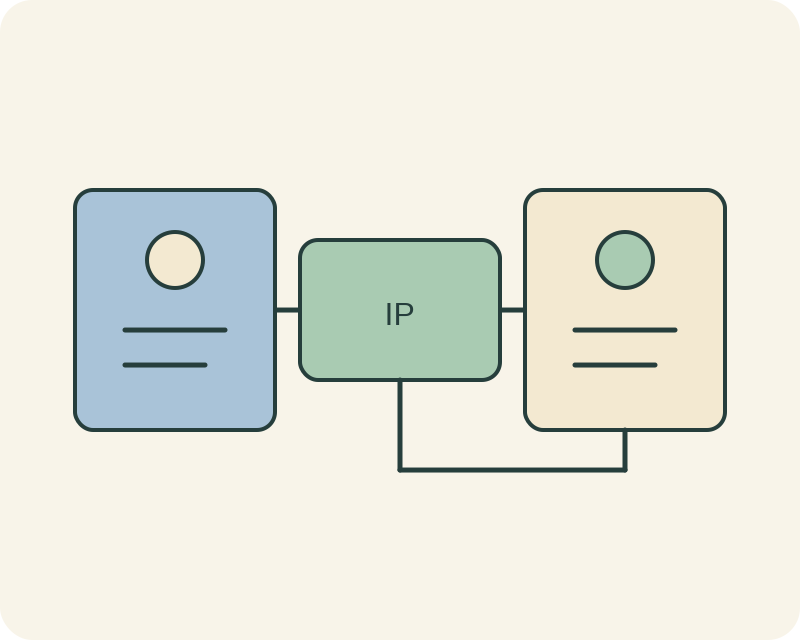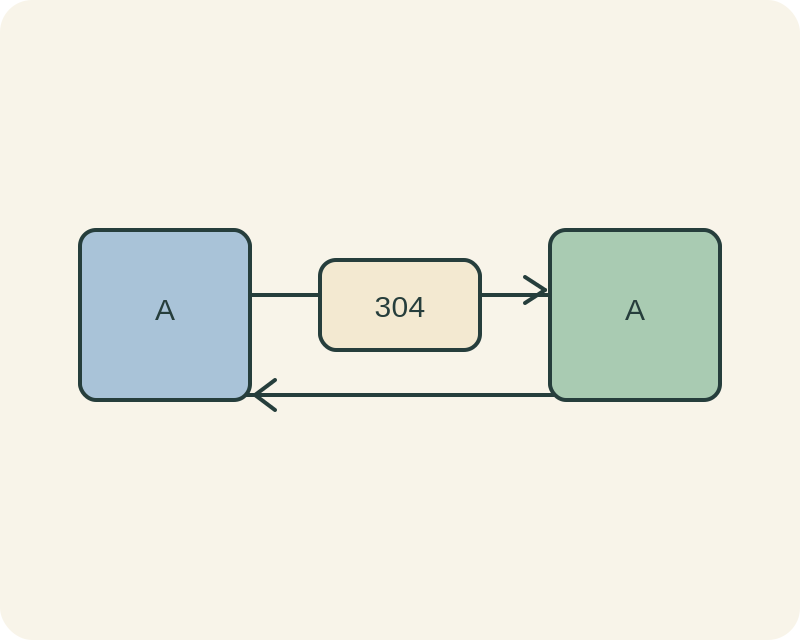
Connect method, condition, validator and prior copy. A 304 supports reuse for that request; it establishes neither indexing nor a review of the content.
Start with the existing copy
Imagine a client that downloaded a guide and stored its content with an ETag. That value identifies a representation for validation; do not interpret it as an editorial date or a visit counter. To investigate a later response, also retain the address and requested variant, including language.
This article explains a fictional GET exchange. We have neither measured this site’s cache nor changed its configuration. Identifying the client’s question helps distinguish a smaller transfer from a page that has disappeared.
Read the condition before the status
RFC 9110 describes If-None-Match and 304 for conditional GET or HEAD requests. When the validator matches under the protocol’s rules, the server can indicate reuse of the stored representation without sending its body. When new content needs sending, it can return 200 with that representation.
Do not invent an ETag to force a result. Retain the received value, including quotes and any weak W/ prefix. A status code alone in a spreadsheet loses the condition needed to interpret it.
Follow three moments in an example
The guide and identifiers below are invented. We assume the client retains a correct copy and the server implements the described validation. This table represents alternatives in an exchange, not results from a performed test.
| Moment | Condition sent | Illustrative response |
|---|---|---|
| First read | No previous copy | 200, body A and ETag "guia-a" |
| Same representation | If-None-Match: "guia-a" | 304, no body; reuse A |
| Changed representation | If-None-Match: "guia-a" | 200, body B and ETag "guia-b" |
The third case retains the earlier client condition while the server’s current representation changes. This explains why requests to the same address need not always receive the same status.
Separate validators and publication dates
Last-Modified and If-Modified-Since provide another HTTP time reference. That date does not automatically equal the date an editor displays in an article. If both conditions are sent, RFC 9110 gives If-None-Match precedence; do not add their results as independent confirmations.
Record headers actually observed. Where an application changes translations or variants, check which representation is being validated before comparing values across languages. An opaque validator does not by itself identify a changed paragraph.
Keep the search question separate
Google documents how its crawlers interpret 304 and signal that content remains the same as on the previous visit. That interpretation promises no inclusion in results. It also does not establish Googlebot identity from a declared request agent.
The related crawler identity guide helps investigate who requested a resource. The indexing diagnostic examines different evidence. Do not change a response to 200 simply to give a report a favorable color.
Leave a repeatable review
Retain URL, language, method, time, sent condition, response, validator and a reference to the earlier copy. Remove cookies, credentials and private information before sharing a sample. Record limitations when a copy is missing or an intermediary’s behavior is unknown.
A useful conclusion states what was validated and what remains open. A successful visual load, HTTP response and search processing are different observations; use each for its own question.
Follow the evidence.
- RFC 9110 · HTTP Semantics, conditional requests and 304 ↗
- Google Crawling Infrastructure · HTTP status codes ↗
- MDN · 304 Not Modified ↗
- MDN · If-Modified-Since ↗
Sources checked November 1, 2026. Illustrative scenarios and numbers are fictional. The records and exercises are original editorial proposals, without attributed customer results or provider tests. Our editorial standards.