Relaciona afirmación, evidencia, responsable y señal de cambio. Después registra qué se corrigió en cada edición y qué sigue pendiente.
Localiza decisiones que dependen de información vigente
Lee la guía como alguien que debe actuar. Marca instrucciones de interfaz, requisitos, disponibilidad, importes, plazos y ejemplos que dependen de un tercero. Separa esos elementos de explicaciones generales que no cambiaron. No todos los párrafos necesitan el mismo seguimiento.
La orientación de GOV.UK para contenido existente recomienda comprobar periódicamente su utilidad y corregir errores, enlaces rotos o información desactualizada. La ficha siguiente es nuestra propuesta editorial para convertir esa tarea en una revisión concreta; no reproduce herramientas internas de ese servicio.
Asocia cada afirmación con una comprobación
Imagina una guía ficticia para solicitar acceso a un taller. Su versión anterior menciona un formulario, una modalidad y un plazo. No son condiciones de un proveedor real.
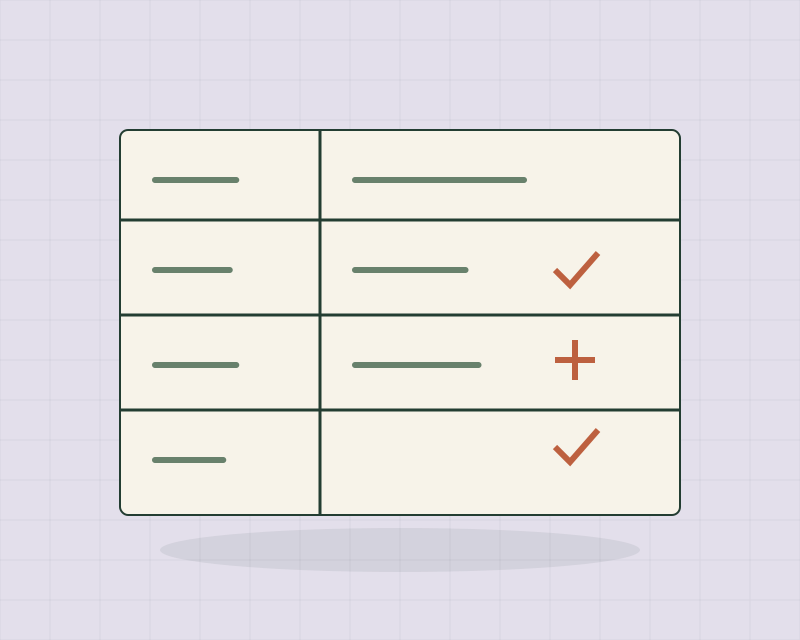
| Afirmación | Evidencia que buscar | Señal de revisión |
|---|---|---|
| La solicitud se hace en este formulario | Página oficial y recorrido público actual | El enlace cambia o el formulario se retira |
| Existe modalidad remota | Oferta oficial con sus condiciones | La organización anuncia otra modalidad |
| La respuesta tarda cinco días | Compromiso vigente y alcance del plazo | La fuente modifica el plazo |
Añade URL, ubicación del pasaje, fecha de consulta y persona responsable. Un enlace a la portada no permite recuperar fácilmente una condición. Si la fuente ya no confirma el dato, registra “pendiente de confirmar”; no supongas que sigue válido porque nadie avisó.
Revisa las dependencias de un cambio
Si desaparece la modalidad remota, busca también sus menciones en la introducción, preguntas, tabla, imágenes y descripción. Cambiar una frase aislada puede dejar una recomendación contradictoria. Revisa el ejemplo práctico: quizá sus pasos ya no pueden completarse.
Distingue corrección, actualización sustantiva y cambio de enfoque. Si la pregunta del lector sigue siendo la misma, actualiza la guía existente en vez de crear otra que compita con ella. La guía de redacción trata el desarrollo inicial; aquí el trabajo es sostener la utilidad de algo ya publicado.
Sigue el cambio en todas las traducciones
Abre una fila por idioma con estado: pendiente, revisado o publicado. Incluye el fragmento afectado y su sustitución. La revisión española no demuestra que la inglesa o la china ya reflejen la misma condición; tampoco basta traducir el párrafo si una tabla conserva el dato anterior.
Conserva identificada la versión vigente y el historial de decisiones. La guía de paquetes de marca ofrece un caso de entrega de archivos; este inventario enlaza afirmaciones dentro de páginas y sus ediciones lingüísticas.
Explica qué fecha representa cada acción
- Publicación inicial: conserva cuándo apareció esa edición.
- Actualización del contenido: documenta una modificación sustantiva y su motivo.
- Consulta de fuentes: registra qué referencias se revisaron, incluso si no exigieron cambios.
- Próxima revisión: fija una señal o un momento según la volatilidad del dato.
Esta separación es una política editorial propuesta, no un requisito universal de calendario. No cambies la fecha de actualización solo para que una guía parezca reciente. Nuestra revisión de datos del artículo ayuda a contrastar después fechas visibles y metadatos.
Cierra con evidencia y una lectura completa
Guarda una nota breve: “La modalidad remota dejó de constar en la fuente; se retiraron sus instrucciones de las tres ediciones”. Identifica quién comprobó la nueva página y qué queda sin confirmar. Vuelve a ejecutar el ejercicio de la guía desde el principio.
Si ya no existe una respuesta útil, considera una nota histórica o la retirada mediante una decisión editorial y técnica explícita. Revisar una fuente no convierte automáticamente toda la guía en vigente. Empieza con una página y sus afirmaciones decisivas, y amplía el inventario con lo que esa lectura revele.
Update a Guide with a Claim Review Record
A guide can keep receiving readers after the service it explains changes. Checking links alone is insufficient: a URL can respond while showing different conditions. The useful maintenance unit is a claim someone might use to make a decision.
Connect claim, evidence, owner and change signal. Then record what was corrected in each edition and what remains unresolved.
Locate decisions that depend on current information
Read the guide as someone who must act. Mark interface instructions, requirements, availability, amounts, deadlines and examples that depend on a third party. Separate these from general explanations that have not changed. Not every paragraph needs the same follow-up.
GOV.UK guidance for existing content recommends regularly checking usefulness and correcting errors, broken links or outdated information. The following record is our editorial proposal for turning that task into a concrete review; it does not reproduce that service’s internal tools.
Connect each claim to a check
Imagine a fictional guide to applying for workshop access. Its previous version mentions a form, a participation option and a deadline. These are not the conditions of an actual provider.
| Claim | Evidence to seek | Review signal |
|---|---|---|
| Apply through this form | Official page and current public path | The link changes or the form is withdrawn |
| A remote option is available | Official offer and conditions | The organization announces a different option |
| A response takes five days | Current commitment and deadline scope | The source changes the deadline |
Add URL, passage location, consultation date and owner. A homepage link does not make a condition easy to retrieve. If the source no longer confirms the detail, mark it “awaiting confirmation”; do not assume it remains valid because nobody announced otherwise.
Review a change’s dependencies
If the remote option disappears, also find mentions in the introduction, questions, table, images and description. Changing an isolated sentence can leave a contradictory recommendation. Review the practical example: its steps may no longer be possible.
Distinguish correction, substantive update and change of focus. If the reader’s question remains the same, update the existing guide instead of creating a competing one. Our writing guide addresses initial development; this task sustains the usefulness of something already published.
Track the change across translations
Open one row per language with a state: pending, reviewed or published. Include the affected passage and its replacement. Reviewing Spanish does not establish that English or Chinese reflects the same condition; translating a paragraph is also insufficient if a table retains the old detail.
Keep the current version and decision history identifiable. Our brand file package guide covers a file handoff; this inventory connects claims inside pages and their language editions.
Explain what each action’s date represents
- First publication: retain when that edition appeared.
- Content update: document a substantive change and its reason.
- Source consultation: record references checked, even when no changes were needed.
- Next review: choose a signal or time based on how volatile the detail is.
This separation is a proposed editorial policy, rather than a universal calendar requirement. Do not change an update date merely to make a guide appear recent. Our article data review helps compare visible dates and metadata afterward.
Close with evidence and a complete reading
Keep a brief note: “The source no longer lists the remote option; its instructions were removed from all three editions.” Identify who checked the new page and what remains unconfirmed. Repeat the guide’s exercise from the beginning.
If no useful answer remains, consider a historical notice or withdrawal through an explicit editorial and technical decision. Checking one source does not automatically make the entire guide current. Start with one page and its decisive claims, then expand the inventory based on what that reading reveals.
用事实陈述记录表维护已发布指南
服务已经改变,介绍它的指南却可能继续被阅读。只检查链接不够:网址仍可打开,但条件可能不同。适合维护的基本单位,是读者可能据以决定的一项事实陈述。
把陈述、证据、负责人和变化信号关联起来,再记录各语言版本改了什么,以及哪些仍待确认。
找出依赖现行信息的决定
像准备行动的读者一样阅读指南。标记界面操作、要求、可用性、金额、期限,以及依赖第三方的例子。把它们与未变化的一般解释区分开,并非每段都需要同样频率的跟进。
GOV.UK 关于现有内容的指引建议定期检查实用性,并修正错误、失效链接或过时信息。下表是本站把任务转为具体审核的编辑建议,并非复制该服务内部工具。
为每项陈述指定核对方法
假设有一篇虚构的工作坊报名指南。旧版提及一个表单、一种参与方式和一个期限。这些不是任何真实供应商的条件。
| 陈述 | 应寻找的证据 | 复查信号 |
|---|---|---|
| 通过这个表单报名 | 官方页面与当前公开操作路径 | 链接变化或表单下线 |
| 提供远程参与方式 | 官方项目说明及条件 | 机构公布另一种参与方式 |
| 五天内回复 | 现行承诺及期限适用范围 | 来源修改期限 |
补充网址、相关段落位置、查询日期与负责人。只链接首页,很难重新找到具体条件。来源不再确认该信息时,写“待确认”;不要因为没有人通知,就假设仍然有效。
审核变化影响到的其他内容
远程参与方式取消后,还要查找引言、问题、表格、图片和描述中的提及。只改一句可能留下矛盾建议。复查操作示例:其中步骤也许已经无法完成。
区分纠错、实质更新和主题改变。读者问题相同时,应更新原指南,而非另写一篇竞争内容。本站写作指南处理初稿发展;这里维护的是已经发布内容的实用性。
跟踪所有译文中的修改
每种语言单独一行,标注待处理、已审核或已发布。列出受影响段落和替换内容。审核西班牙语,不能证明英语和中文已体现同一条件;段落翻译完,表格若仍有旧信息,也没有完成。
让当前版本及决定历史容易识别。本站品牌文件包指南讨论文件交接;此清单连接页面内部的陈述及其语言版本。
说明每个日期代表的动作
- 首次发布:保留该版本最初出现的时间。
- 内容更新:记录实质修改及理由。
- 来源查询:记录核对过的参考资料,即使无需修改。
- 下次复查:根据信息变化速度,选择时间或事件信号。
这种区分是建议的编辑政策,不是普遍适用的日历要求。不要为了显得新鲜而改更新日期。本站文章数据审核帮助随后比较可见日期与元数据。
以证据和通读完成审核
保留简短说明:“来源不再列出远程方式,三个语言版本都删除了相关操作。”注明谁检查了新页面,以及仍待确认的内容。从头执行一次指南练习。
若已没有有用答案,可通过明确的编辑及技术决定,考虑历史说明或撤下。检查一个来源,不会自动让整篇指南变成现行内容。先从一页及其中影响决定的陈述开始,再按阅读发现扩展清单。
Fuentes y método
Fuentes consultadas el 21 de octubre de 2026. Los escenarios y cifras ilustrativos son ficticios. Las fichas y ejercicios son propuestas editoriales originales, sin resultados de clientes ni pruebas de proveedores atribuidos. Editorial standards · Disclosures.