Write the period, count and base of each change. Review operating days, scope changes and adjustments before turning comparisons into an explanation.
Define the monthly measure
In a fictional workshop we count completed orders per month. Completion date determines the period. All three periods cover the same location. Keep that rule with the counts so another person can reproduce them.
Check that periods are closed and records have the same scope. If a branch opened or a week is missing, declare that change and retain the version consulted.
Use two bases for one October
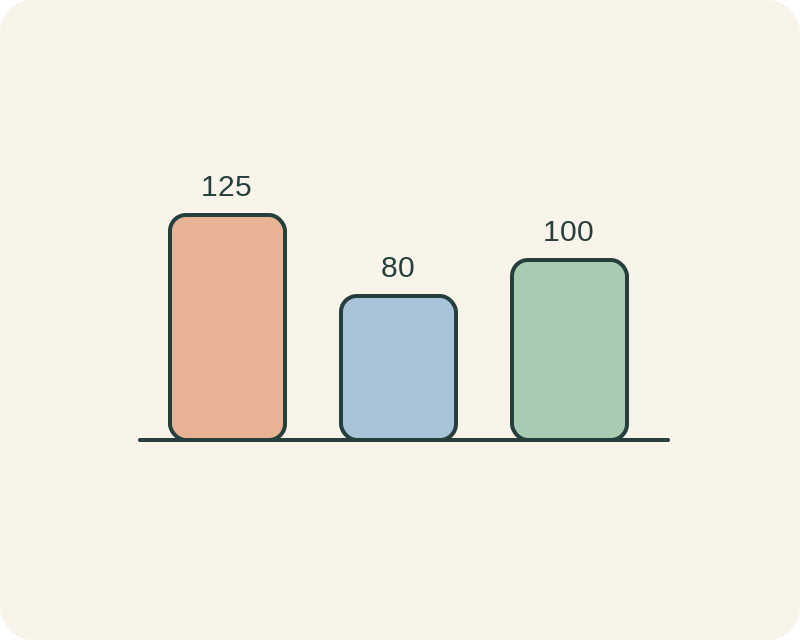
The example uses three invented periods. We compare current October with September of that year and October of the previous year.
| Period | Orders | Comparison role |
|---|---|---|
| Current September | 80 | Monthly base |
| Current October | 100 | Period evaluated |
| Prior October | 125 | Year-over-year base |
Monthly change is (100 − 80) / 80 = 25%. Year-over-year change is (100 − 125) / 125 = −20%. Name the base, because both calculations use the same current total.
Give each change a question
Month-to-month comparison describes movement from the immediately preceding period. Year-over-year comparison describes how the month compares with the same named month last year. Census Bureau research explains why the measures may reflect different timing and magnitude in a series.
If a base is zero, retain the difference in units and record that ordinary percentage change cannot be calculated. That row can still tell you what happened in absolute terms.
Inspect how each month was composed
The Census Bureau distinguishes seasonal effects from calendar effects such as weekday composition and moving holidays. The same named month can have a different number of Saturdays or an event that changed dates. Review the business calendar with the count.
Those details are missing in the example. Ask how many days the workshop opened in each period and whether the kind of completed work changed. Both rates describe the difference while that investigation remains open.
Retain the series type you are using
The table uses original counts. Seasonal adjustment estimates recurring patterns and may account for certain calendar effects. A same-month comparison is a descriptive reference. When interpreting an officially adjusted series, check its methodology and version.
If you show orders per open day, keep the total and the rule for counting open days. The quotient adds another operational view. Calendar effects or work mix can still merit examination.
Write a note with both references
In the fictional case, October closed with 100 completed orders, 20 more than September and 25 fewer than October last year. The next review would look up operating days and changes in scope between periods.
The nominal and real values guide changes the price reference of an amount. This example counts units and shows how interpretation changes with the time base.
Follow the evidence.
- US Census Bureau · Seasonal adjustment questions and answers ↗
- US Census Bureau · Comparing monthly and annual changes ↗
Sources checked November 3, 2026. Illustrative scenarios and numbers are fictional. Original exercises and records, without attributed customer results or field observations. Our editorial standards.