Escribe periodo, cantidad y base de cada variación. Revisa días de operación, cambios de alcance y ajustes antes de convertir las comparaciones en una explicación.
Fija la definición del dato mensual
En un taller ficticio vamos a contar pedidos completados por mes. La fecha de finalización determina dónde entra cada uno. La cobertura incluye el mismo local en los tres periodos. Guarda esa regla junto con los conteos, para que otra persona pueda reconstruirlos.
Antes de comparar, comprueba que los periodos hayan cerrado y que los registros tengan el mismo alcance. Si hubo una sucursal nueva o una semana sin datos, declara el cambio y conserva la versión consultada.
Usa dos bases para un mismo octubre
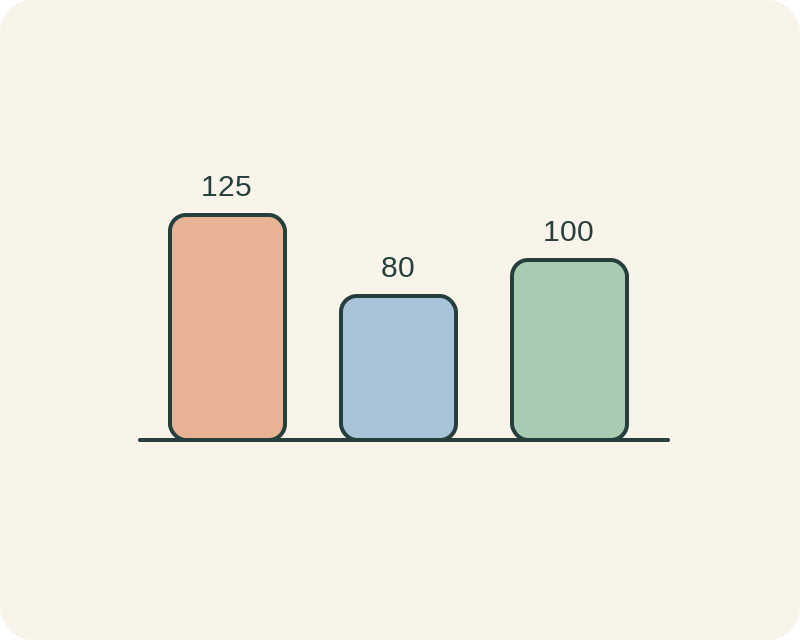
El ejemplo contiene tres periodos inventados. Queremos comparar el octubre actual con septiembre del mismo año y con octubre del anterior.
| Periodo | Pedidos | Papel en la comparación |
|---|---|---|
| Septiembre actual | 80 | Base mensual |
| Octubre actual | 100 | Periodo evaluado |
| Octubre anterior | 125 | Base interanual |
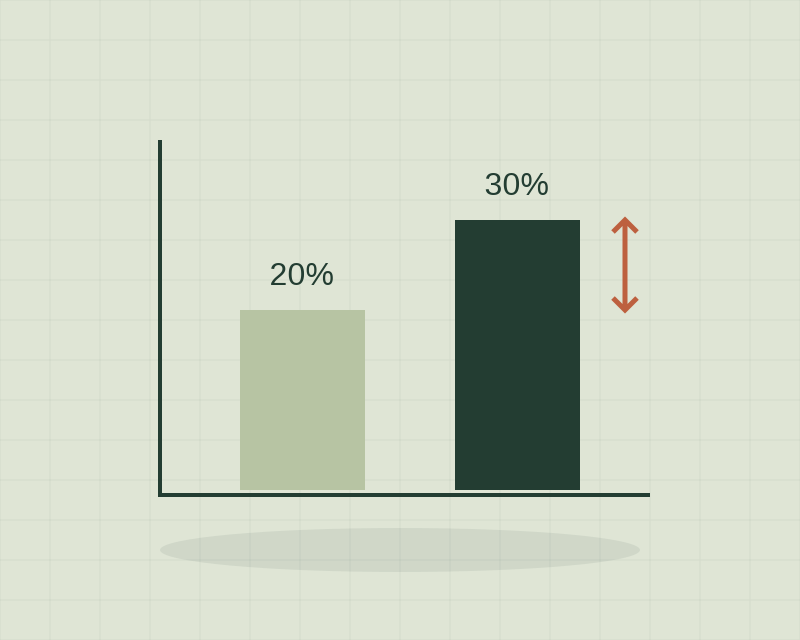
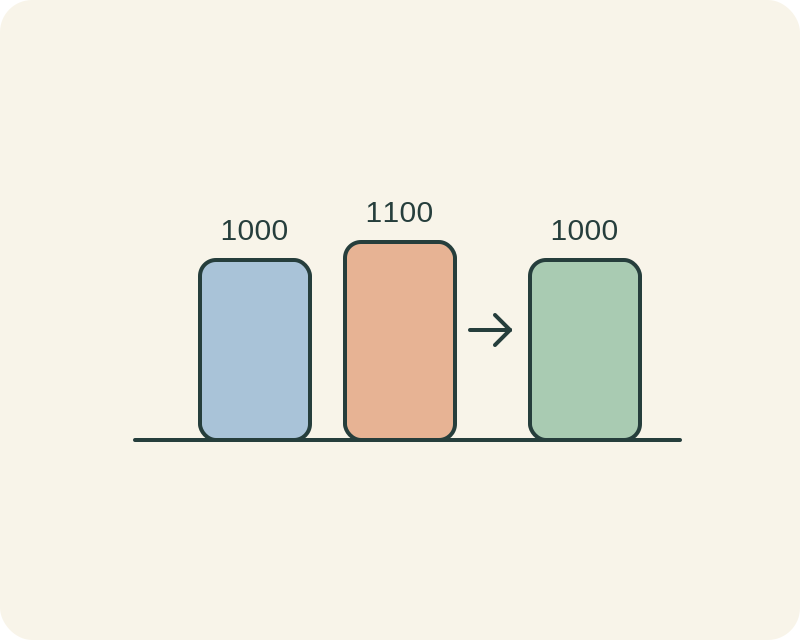
El cambio mensual es (100 − 80) / 80 = 25 %. El cambio interanual es (100 − 125) / 125 = −20 %. Escribe la base en la frase, porque ambos cambios parten del mismo total actual.
Da a cada cambio una pregunta
La comparación mensual describe el movimiento desde el periodo inmediato. La interanual muestra cómo se compara el mes con el mismo nombre del año previo. El trabajo de investigación del Census Bureau explica por qué las dos medidas pueden reflejar momentos y magnitudes diferentes de una serie.
Si una base es cero, conserva la diferencia en unidades y señala que la variación porcentual ordinaria queda indefinida. Esa fila todavía puede informar qué ocurrió en términos absolutos.
Revisa cómo se compuso cada mes
El Census Bureau distingue efectos estacionales de los efectos de calendario, como la composición de días de la semana o los festivos móviles. Un mismo mes puede incluir un número distinto de sábados o una celebración que cambió de fecha. Consulta el calendario del negocio junto con el conteo.
En el ejemplo faltan esos datos. Una pregunta concreta sería cuántos días abrió el taller en cada periodo y si cambió el tipo de trabajo completado. Las dos tasas calculadas describen la diferencia sin resolver esa investigación.
Conserva el tipo de serie que estás usando
La tabla usa conteos originales. Un ajuste estacional estima patrones recurrentes y puede considerar ciertos efectos de calendario. Comparar el mismo mes es una referencia descriptiva. Para interpretar una serie oficialmente ajustada, consulta qué metodología y versión utiliza.
Si muestras pedidos por día abierto, conserva también el total y la regla usada para contar esos días. El cociente aporta otra lectura sobre la operación. Los efectos de calendario o la mezcla de trabajos todavía pueden merecer revisión.
Escribe una nota con las dos referencias
Para el caso ficticio, octubre cerró con 100 pedidos completados. Fueron 20 más que en septiembre y 25 menos que en octubre del año anterior. La próxima revisión buscaría los días de operación y las diferencias de alcance entre periodos.
La guía de valores nominales y reales cambia la referencia de precios de un importe. Este ejemplo cuenta unidades y muestra cómo cambia la lectura cuando cambia la base de tiempo.
What changes when you compare last month and the same month last year
A business can end October above September and below the previous October. Each calculation has a different starting point. Reading both helps identify what to inspect in the series.
Write the period, count and base of each change. Review operating days, scope changes and adjustments before turning comparisons into an explanation.
Define the monthly measure
In a fictional workshop we count completed orders per month. Completion date determines the period. All three periods cover the same location. Keep that rule with the counts so another person can reproduce them.
Check that periods are closed and records have the same scope. If a branch opened or a week is missing, declare that change and retain the version consulted.
Use two bases for one October
The example uses three invented periods. We compare current October with September of that year and October of the previous year.
| Period | Orders | Comparison role |
|---|---|---|
| Current September | 80 | Monthly base |
| Current October | 100 | Period evaluated |
| Prior October | 125 | Year-over-year base |
Monthly change is (100 − 80) / 80 = 25%. Year-over-year change is (100 − 125) / 125 = −20%. Name the base, because both calculations use the same current total.
Give each change a question
Month-to-month comparison describes movement from the immediately preceding period. Year-over-year comparison describes how the month compares with the same named month last year. Census Bureau research explains why the measures may reflect different timing and magnitude in a series.
If a base is zero, retain the difference in units and record that ordinary percentage change cannot be calculated. That row can still tell you what happened in absolute terms.
Inspect how each month was composed
The Census Bureau distinguishes seasonal effects from calendar effects such as weekday composition and moving holidays. The same named month can have a different number of Saturdays or an event that changed dates. Review the business calendar with the count.
Those details are missing in the example. Ask how many days the workshop opened in each period and whether the kind of completed work changed. Both rates describe the difference while that investigation remains open.
Retain the series type you are using
The table uses original counts. Seasonal adjustment estimates recurring patterns and may account for certain calendar effects. A same-month comparison is a descriptive reference. When interpreting an officially adjusted series, check its methodology and version.
If you show orders per open day, keep the total and the rule for counting open days. The quotient adds another operational view. Calendar effects or work mix can still merit examination.
Write a note with both references
In the fictional case, October closed with 100 completed orders, 20 more than September and 25 fewer than October last year. The next review would look up operating days and changes in scope between periods.
The nominal and real values guide changes the price reference of an amount. This example counts units and shows how interpretation changes with the time base.
与上月和上年同月相比,会看到什么变化
一个商家的十月可以高于九月,也低于去年的十月。两种计算采用不同起点。一起阅读,有助于决定接下来该检查序列的哪一部分。
写明每项变化的期间、数量与基数。在解释比较之前,核对营业天数、覆盖变化及所用调整。
先定义每月的计量项目
虚构工坊按月统计已完成订单。订单归属由完成日期决定,三个期间覆盖同一地点。把规则与计数一起保存,方便他人复核。
比较前,确认期间都已结束,记录覆盖一致。若新开门店或缺了一周数据,写明变动并保留查看过的版本。
同一个十月采用两个基数
示例有三个虚构期间。将本年十月与同年九月、上年十月分别比较。
| 期间 | 订单数 | 比较作用 |
|---|---|---|
| 本年九月 | 80 | 环比基数 |
| 本年十月 | 100 | 待比较期间 |
| 上年十月 | 125 | 同比基数 |
环比为 (100 − 80) / 80 = 25%。同比为 (100 − 125) / 125 = −20%。两次都使用当前总数,因此表述时要写出各自的基数。
为两种变化分别提出问题
环比描述与紧邻期间相比的变动。同比描述与上一年同名月份的比较。美国人口普查局的研究解释了两种度量为何可能反映序列中不同的时点和幅度。
若基数为零,可保留数量差,并标明通常的百分比变化没有定义。该行仍能说明绝对量如何改变。
检查各月的日历构成
美国人口普查局区分季节影响与日历影响,后者包括星期构成与日期移动的节日。同名月份可能有不同数量的星期六,活动日期也可能改变。应把业务日历与计数一起查看。
示例缺少这些信息。可继续询问工坊各期营业了几天,以及完成的工作类型是否改变。两项比率描述差异,调查仍然开放。
保留所用的序列类型
表中采用原始计数。季节调整估计重复模式,也可能考虑某些日历影响。同月比较提供描述性参照。解读正式调整后的序列时,查明其方法和版本。
展示每营业日订单数时,也保留总量和营业日计数规则。这个商数提供另一种运营视角,日历效应或工作组合仍可能需要复核。
在简报中写出两种参照
虚构案例中,十月完成 100 个订单,比九月多 20 个,比上年十月少 25 个。下一步可查各期营业天数及覆盖差异。
名义值与实际值指南改变金额的价格参照。本例计数单位,用来说明时间基数变化如何影响解读。
Fuentes y método
- US Census Bureau · Seasonal adjustment questions and answers ↗
- US Census Bureau · Comparing monthly and annual changes ↗
Fuentes consultadas el 3 de noviembre de 2026. Los escenarios y cifras ilustrativos son ficticios. Ejercicios y fichas originales, sin resultados de clientes ni observaciones de campo atribuidos. Editorial standards · Disclosures.