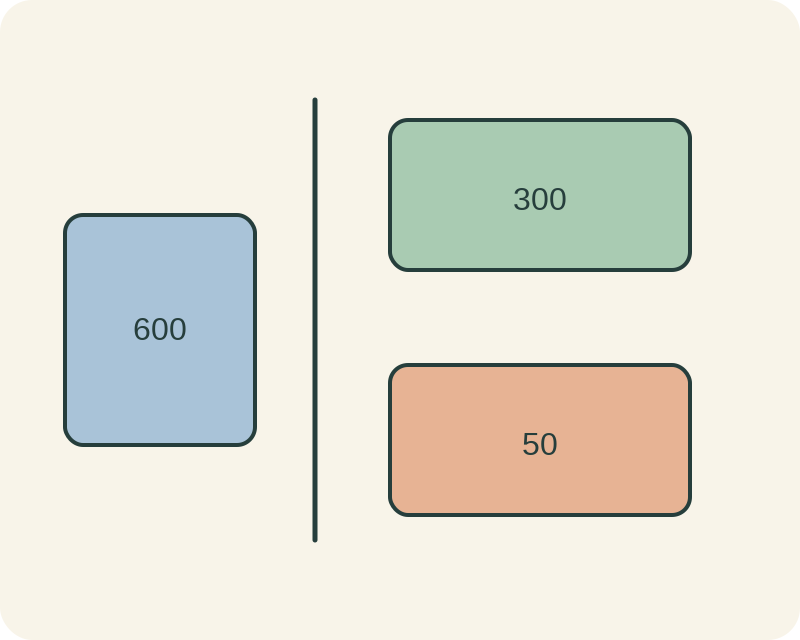
BATNA means the best alternative to a negotiated agreement. Evaluate the option you could carry out outside this conversation and keep the conditions that make it possible.
Write an action you can take
“Find another customer” still requires work and a response. “Accept job B before Thursday, with scope and date confirmed” describes a more concrete alternative. Record which confirmation is missing and who can provide it. If the offer expires, keep that deadline.
Compare equivalent resources and timing
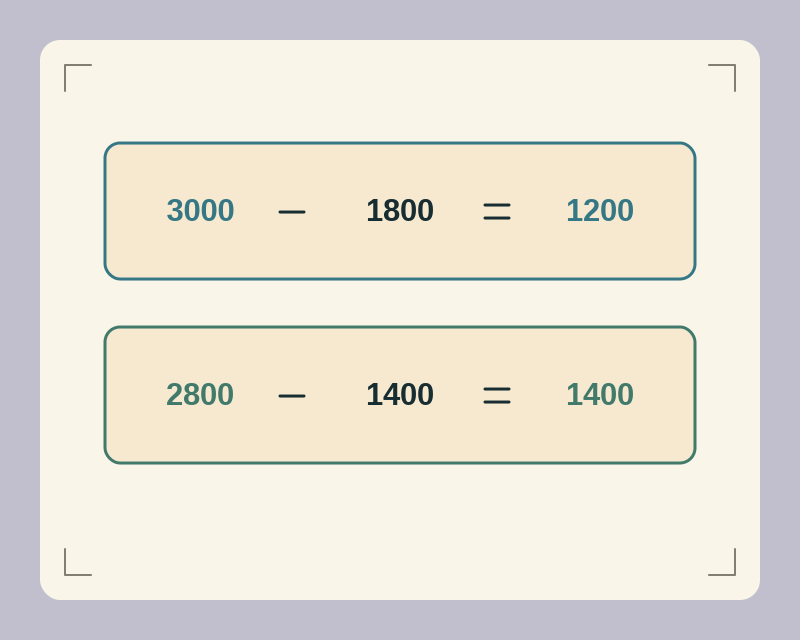
In the fictional example, A would pay 3,000 and require additional costs of 1,800. B would pay 2,800 with additional costs of 1,400. Both occupy the same week and have the same payment timing. Their contributions in this exercise are 1,200 for A and 1,400 for B.
Open the conditions that could change the comparison
If B takes two weeks rather than one, it uses different capacity. If payment is uncertain or depends on pending approval, keep that in the record. Also review revisions, customer inputs and other commitments before treating the figures as comparable.
Prepare the conversation in context
The studio can review A's scope, schedule or terms. Its alternative informs the internal decision; the customer proposal should explain that job's value and conditions. Harvard's Program on Negotiation recommends evaluating the BATNA carefully before and during negotiation.
Update before deciding
Keep the date, available option, evidence, costs, timing and unresolved items. If B expires or its terms change, recalculate. Choose the next step from current information and record the scope of any confirmed agreement.
Follow the evidence.
Sources checked November 19, 2026. The exercise scenarios and figures are fictional. Our editorial standards.