Define every node and relationship; confirm the company involved in the deal without inheriting identity or authority from the group.
Separate the units you need to recognize
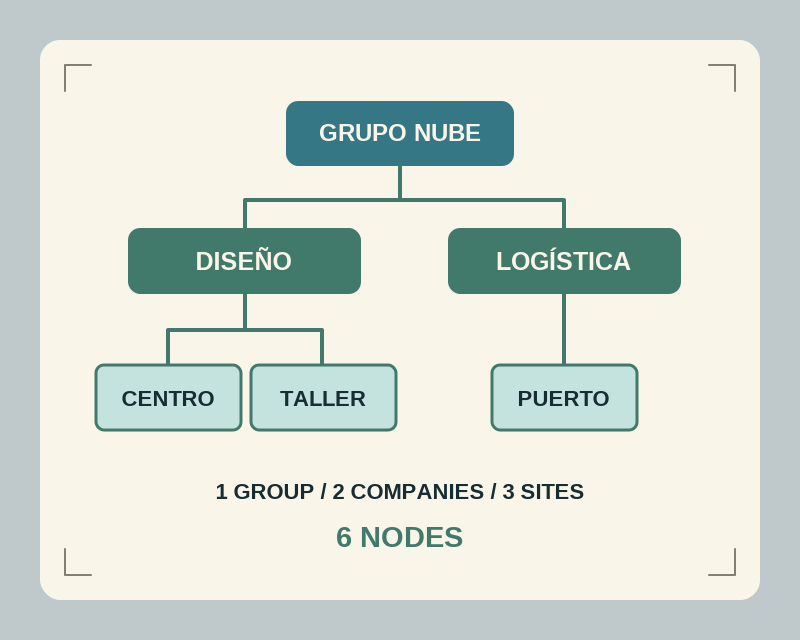
In the fictional exercise, Grupo Nube brings together two companies: Nube Diseño and Nube Logística. Diseño has Centro and Taller sites; Logística has Puerto. That makes one group, two companies and three sites, not six purchasing companies.
The map has six nodes because it also includes the group. It represents relationships rather than automatically counting customers. Label each node with its type and identifying evidence; sharing a brand or address is insufficient to establish a relationship.
Draw the hierarchy without imposing a CRM structure
Salesforce documents parent and child account relationships for companies with locations or divisions. That model helps reason about the organization, but each team must define which units need account records and which need related site records.
On a preliminary sheet, connect Grupo Nube to both companies and each company to its sites. Label links “part of group” or “site of” for this example. Avoid using one unexplained line to mix membership, contact relationships and participation in a purchase.
Link the person without duplicating them by site
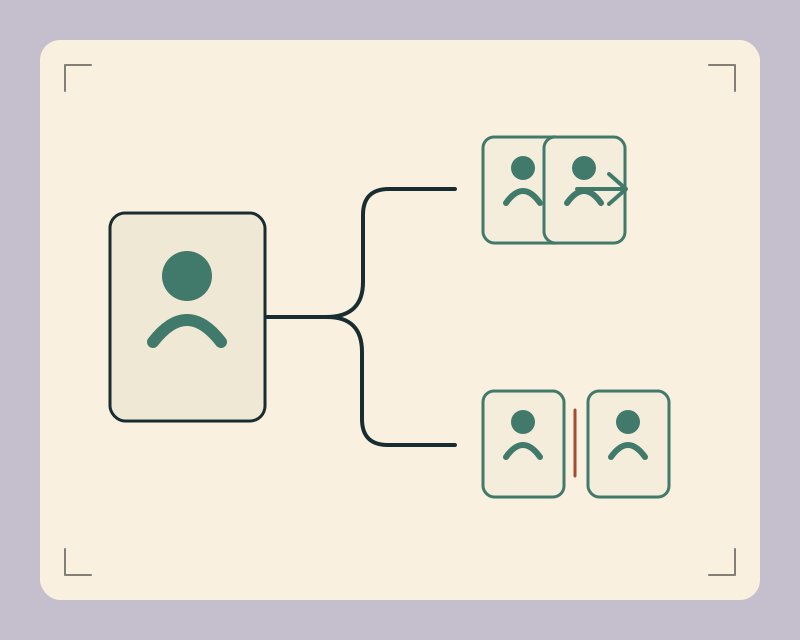
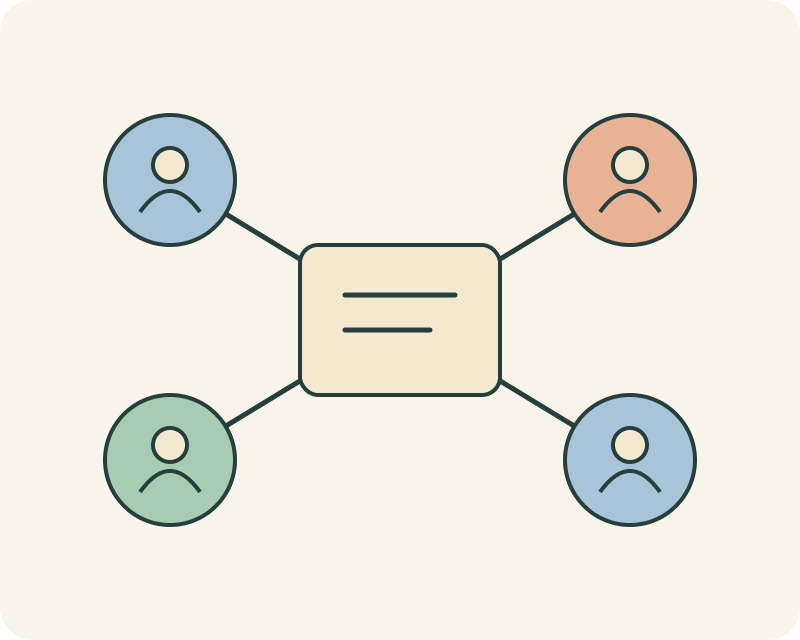
Ana coordinates purchasing for Nube Diseño at Centro and Taller. In this example she is one person related to two sites. Creating separate people called “Ana Centro” and “Ana Taller” would lose that common identity.
Keep one contact identifier and document her scope in each relationship. The organization map does not establish that Ana can approve every amount or represent Logística. If an opportunity requires that information, confirm it for that purchase.
Place an opportunity with the correct unit
A furniture request for Taller becomes an opportunity linked to Nube Diseño, with Taller as delivery site and Ana as contact. The group provides context rather than automatically replacing the company participating in the deal.
In the exercise record, the entity accepting the proposal and billing details remain pending confirmation. Do not copy them from Grupo Nube or a Puerto transaction. A hierarchy organizes records; it does not establish who signs, receives or pays for a specific purchase.
Review the map before importing data
The final check confirms two distinct companies, three sites and one Ana linked to Diseño’s two sites. Each site has its corresponding company; no opportunity changed owner merely because it appeared below another node.
Keep unit types, links, identifiers, source and confirmation date. Review structural changes against that record before merging or moving data. This practice clarifies the commercial organization; person deduplication and buying roles still need their own checks.
Follow the evidence.
Sources checked November 25, 2026. The exercise scenarios and figures are fictional. Our editorial standards.