Put receipt, sale, payment and collection on one timeline. Calculate the three intervals and retain scope when comparing cycles.
Identify the four events
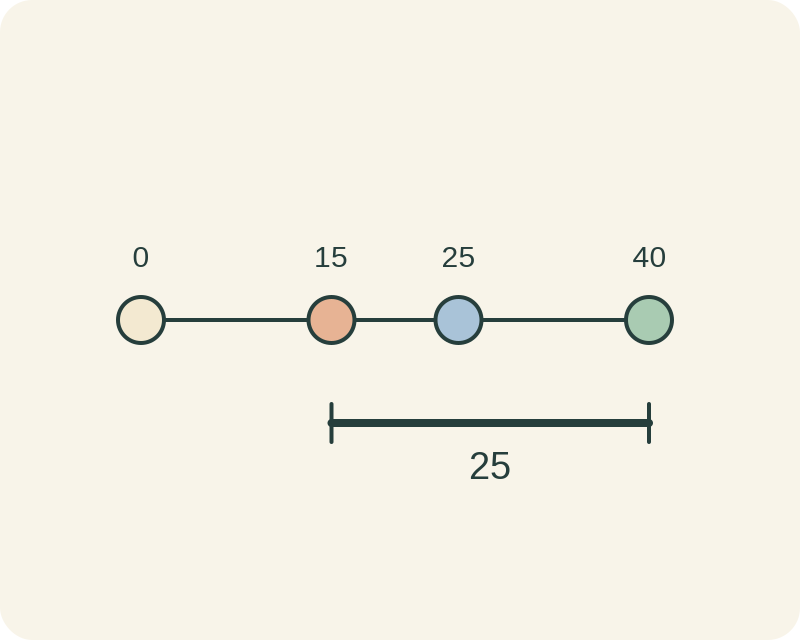
A fictional store receives a lot on day zero on credit. It pays the supplier on day 15, sells the lot on credit on day 25 and collects on day 40. This exercise uses one payment and one collection.
In an actual case retain records identifying the events. Record sale and collection dates separately.
Measure each interval from its own start
| Interval | From and to | Days |
|---|---|---|
| Inventory | Receipt 0 → sale 25 | 25 |
| Receivable | Sale 25 → collection 40 | 15 |
| Payable | Receipt 0 → payment 15 | 15 |
OpenStax and ACCA describe the cycle as inventory days plus receivable days minus payable days. Here, 25 + 15 − 15 = 25 days.
Check the gap between outflow and inflow
Cash leaves on day 15 and arrives on day 40. The 25-day gap matches the calculation. Inventory and receivables together span 40 days. Supplier credit covers the first 15.
The measure describes an interval. To find a cash shortfall on a date, combine balances and movements in a cash calendar.
Change one event to understand the effect
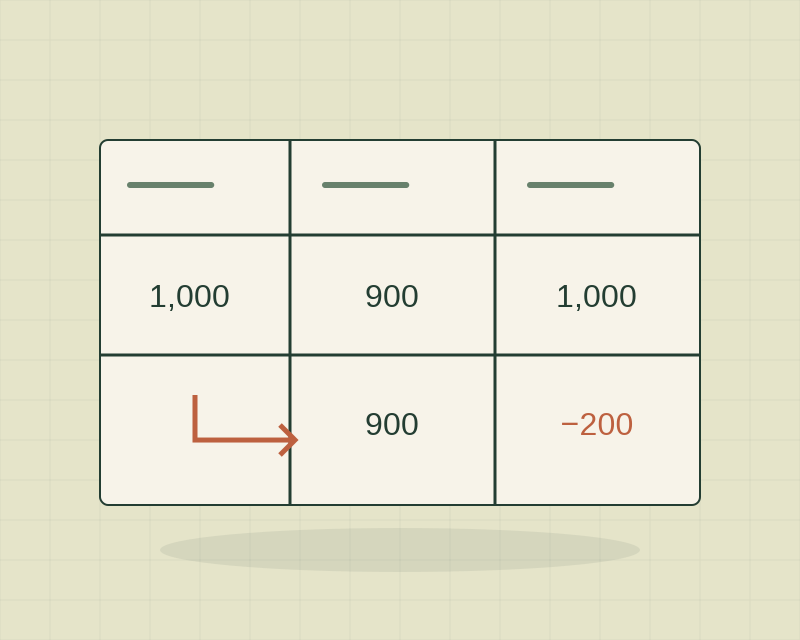
If collection occurs on day 45, receivable days rise from 15 to 20. With other events unchanged, the cycle rises to 30. Keep expected and observed dates separate when documenting a delay.
Before comparing transactions, check for partial deliveries, payments or collections that change what a single date means.
Distinguish one lot from an aggregate indicator
Business-wide indicators often estimate days from period balances and activity. They require definitions of inventory, credit sales, credit purchases or a proxy. A single lot illustrates the sequence.
When comparing reports, retain period, denominators and any purchase estimate. Identify whether inventory uses an average balance.
Keep a note that can be recalculated
Save four dates, three intervals, result and assumptions. Here the 25-day cycle describes a lot received on day zero, paid on day 15 and collected on day 40. Link the note to sales and collection records.
Follow the evidence.
Sources checked November 8, 2026. Illustrative scenarios and numbers are fictional. Original exercises and records, without attributed customer results or field observations. Our editorial standards.