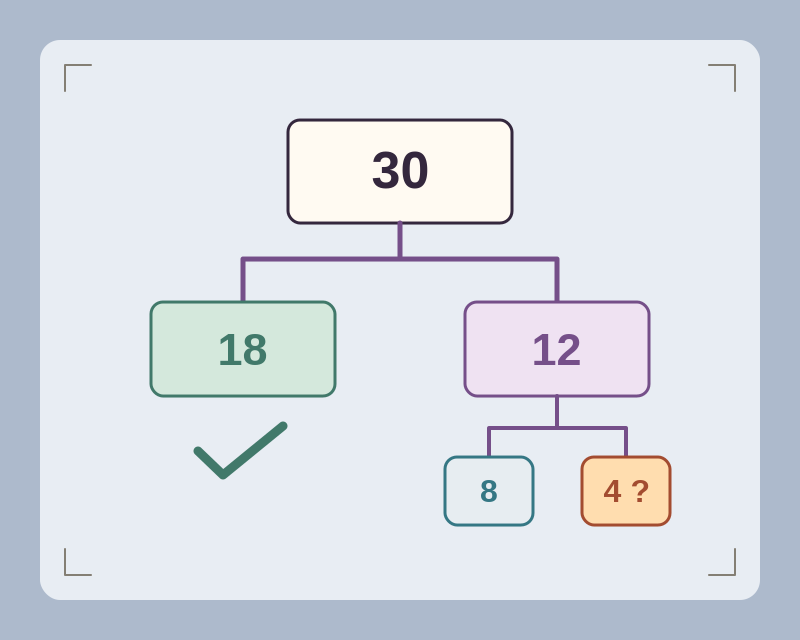
Keep one order record and break its quantities down by status. Offer options with their implications and agree when you will update the customer about the open balance.
Reconstruct the order before writing
Confirm the reference, requested quantity, agreed date and delivery restrictions. In this example, 30 kits were ordered and 18 are reserved, but none have been dispatched. The other 12 have no confirmed date. Use “reserved” until you have shipping confirmation.
Oracle’s documentation shows how a line can separate the shipped quantity from the open balance. Your system may represent this differently. Keep the connection between the original order and each quantity.
Ask whether the first part is useful on its own
If 18 kits let the customer open the first store, a split shipment could help. If each store needs 15 and both must open on the same day, having 18 changes their preparation. Ask about that dependency and whether they can receive two deliveries.
Before offering a split shipment, confirm transport terms and who would cover any additional charge. If the customer needs to decide, say so alongside the option.
Write an update with two distinct dates
An example message is “We have 18 of the 30 kits reserved. We can dispatch them Thursday if a partial shipment works for you. We are still confirming the date for the other 12 and I will update you by 4 p.m. Wednesday.” Wednesday is for the next update and Thursday is for the proposed dispatch.
Keep what the customer accepts. If they choose to wait for the full order, keep the open balance visible and record that decision. If they accept a split, confirm the quantities and destinations for the first part.
Check the balance when the first shipment leaves
With 18 kits dispatched and 12 open, the quantities add up to 30. Shipping confirmation records dispatch. Keep any later proof of delivery separately. If eight of the remaining twelve get a confirmed date, four still have no date. Keep the open line after the first movement.
Close when each quantity has an outcome
Gather dispatches, deliveries and agreed changes with their quantities. Make an accepted order reduction explicit. The customer should be able to see how many units are still due and when they will hear from you again, even if the final date remains open.
Follow the evidence.
- Oracle Order Management · Backorders and partial shipment ↗
- Oracle Fusion Cloud SCM · Using Order Management ↗
Sources checked November 10, 2026. The exercise scenarios and figures are fictional. Our editorial standards.