Conserva un solo registro del pedido y desglosa sus cantidades por estado. Ofrece opciones con sus efectos y acuerda cuándo volverás a informar sobre lo que sigue pendiente.
Reconstruye el pedido antes de escribir
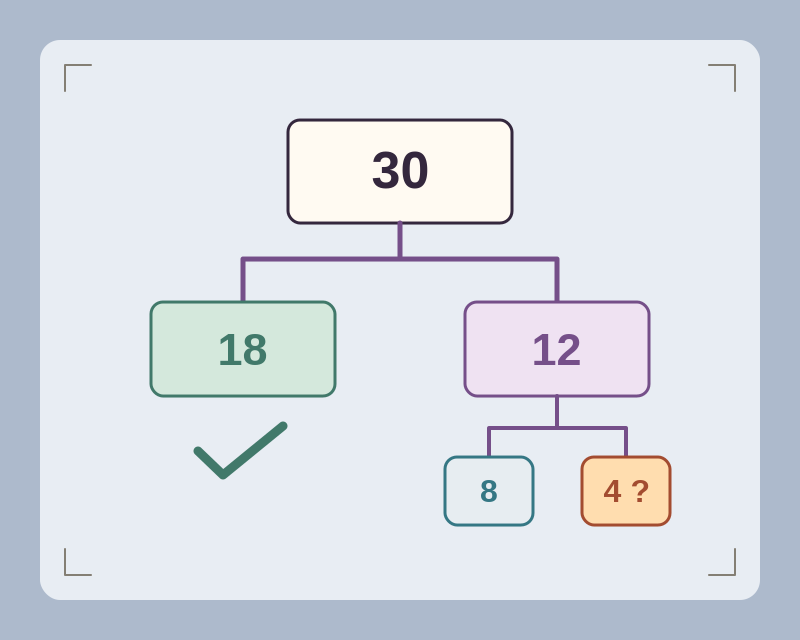
Confirma referencia, cantidad solicitada, fecha acordada y restricciones de entrega. En el ejemplo hay 30 juegos pedidos y 18 reservados, pero todavía no se ha despachado ninguno. Los 12 restantes siguen sin fecha confirmada. Usa «reservados» hasta que tengas la confirmación de envío.
En la documentación de Oracle, una línea puede separar la cantidad enviada de la que queda pendiente. Tu sistema puede representarlo de otro modo. Conserva la relación entre el pedido original y cada cantidad.
Pregunta si la primera parte sirve por sí sola
Si los 18 juegos permiten abrir el primer local, el envío dividido podría servir. Si cada local requiere 15 y ambos deben abrir el mismo día, quedarse con 18 cambia la preparación. Pregunta por esa dependencia y por la posibilidad de recibir dos entregas.
Antes de proponer el envío dividido confirma condiciones de transporte y quién asumirá cualquier cargo adicional. Si hace falta una decisión del cliente, indícala junto con la opción.
Escribe una actualización con dos fechas distintas
Un ejemplo de mensaje es «Tenemos 18 de los 30 juegos reservados. Podemos despacharlos el jueves si te sirve una entrega parcial. Aún estamos confirmando la fecha de los otros 12 y volveré a informarte el miércoles antes de las 16:00». El miércoles corresponde a la próxima comunicación y el jueves al despacho propuesto.
Guarda lo que el cliente acepta. Si decide esperar el pedido completo, mantén el saldo visible y registra esa decisión. Si acepta dividirlo, confirma cantidades y destinos de la primera parte.
Comprueba el saldo al salir el primer envío
Con 18 juegos despachados y 12 pendientes, ambos suman 30. La confirmación de transporte documenta el despacho. Si recibes evidencia de entrega más tarde, guárdala aparte. Si se confirman ocho de los doce restantes para una fecha, quedan cuatro sin fecha. No cierres la línea pendiente por el primer movimiento.
Cierra cuando cada cantidad tenga un destino
Reúne los eventos de despacho, entrega o cambio acordado, junto con las cantidades correspondientes. Una reducción aceptada del pedido necesita quedar explícita. El cliente debe poder ver cuántas unidades faltan y cuándo tendrá otra noticia, incluso si la fecha final sigue abierta.
How to tell a customer you can fill only part of an order
A customer orders 30 display kits to open two stores. The supplier can prepare 18 now but has no firm date for the other 12. The sales response depends on whether the customer needs all 30 together or can start with 18.
Keep one order record and break its quantities down by status. Offer options with their implications and agree when you will update the customer about the open balance.
Reconstruct the order before writing
Confirm the reference, requested quantity, agreed date and delivery restrictions. In this example, 30 kits were ordered and 18 are reserved, but none have been dispatched. The other 12 have no confirmed date. Use “reserved” until you have shipping confirmation.
Oracle’s documentation shows how a line can separate the shipped quantity from the open balance. Your system may represent this differently. Keep the connection between the original order and each quantity.
Ask whether the first part is useful on its own
If 18 kits let the customer open the first store, a split shipment could help. If each store needs 15 and both must open on the same day, having 18 changes their preparation. Ask about that dependency and whether they can receive two deliveries.
Before offering a split shipment, confirm transport terms and who would cover any additional charge. If the customer needs to decide, say so alongside the option.
Write an update with two distinct dates
An example message is “We have 18 of the 30 kits reserved. We can dispatch them Thursday if a partial shipment works for you. We are still confirming the date for the other 12 and I will update you by 4 p.m. Wednesday.” Wednesday is for the next update and Thursday is for the proposed dispatch.
Keep what the customer accepts. If they choose to wait for the full order, keep the open balance visible and record that decision. If they accept a split, confirm the quantities and destinations for the first part.
Check the balance when the first shipment leaves
With 18 kits dispatched and 12 open, the quantities add up to 30. Shipping confirmation records dispatch. Keep any later proof of delivery separately. If eight of the remaining twelve get a confirmed date, four still have no date. Keep the open line after the first movement.
Close when each quantity has an outcome
Gather dispatches, deliveries and agreed changes with their quantities. Make an accepted order reduction explicit. The customer should be able to see how many units are still due and when they will hear from you again, even if the final date remains open.
只能履行部分订单时,怎样通知客户
一位客户订了 30 套陈列用品,准备开两家店。供应商现在能备好 18 套,另外 12 套还没有确定日期。客户是否要 30 套一起到,还是能先用 18 套,会影响销售人员的答复。
保留同一份订单记录,按状态拆分数量。给出选项及各自影响,并约定何时更新未履行部分的消息。
发消息前还原订单
核对订单编号、订购数量、约定日期和交付限制。本例订购 30 套,已为客户预留 18 套,但尚未发货。其余 12 套没有确认日期。收到发运确认之前,状态写“已预留”。
Oracle 文档示范了订单行如何分开发运数量和未履行数量。其他系统的记录方式可能不同。保留原订单与每笔数量之间的关联。
问客户首批能否单独使用
如果 18 套足够让客户先开第一家店,分批发货可能有帮助。如果每家店需要 15 套,而且必须同一天开门,只有 18 套就会影响准备。询问这个先后条件,以及对方能否接收两次交付。
在提议分批发货之前,确认运输条件和新增费用由谁承担。如果需要客户决定,把这一点写在相应选项旁。
写清楚两个不同的日期
示例消息是“30 套中已有 18 套为您预留。如果您能接收首批,我们可以周四发货。其余 12 套的日期还在确认,我会在周三下午四点前更新进展。”周三是下次沟通时间,周四是拟议的发货时间。
保存客户接受的方案。如果对方选择等待整单,保持未履行余额可见并记录决定。如果同意拆分,确认首批数量和去向。
首批发出时核对余额
已发 18 套加上未发 12 套,合计 30 套。发运确认记录的是发货。之后若收到签收证据,另行保存。如果余下 12 套中有 8 套定了日期,还有 4 套日期待定。首批发货后继续保留未完成记录。
每笔数量都有结果后再结案
收集发货、签收及双方同意的变更记录,分别附上对应数量。如果客户同意减少订购量,要明确记载。即使最终日期尚未敲定,客户也应该看得见还差多少套,以及何时会收到下一次消息。
Fuentes y método
- Oracle Order Management · Backorders and partial shipment ↗
- Oracle Fusion Cloud SCM · Using Order Management ↗
Fuentes consultadas el 10 de noviembre de 2026. Los casos y datos numéricos de los ejercicios son ficticios. Editorial standards · Disclosures.