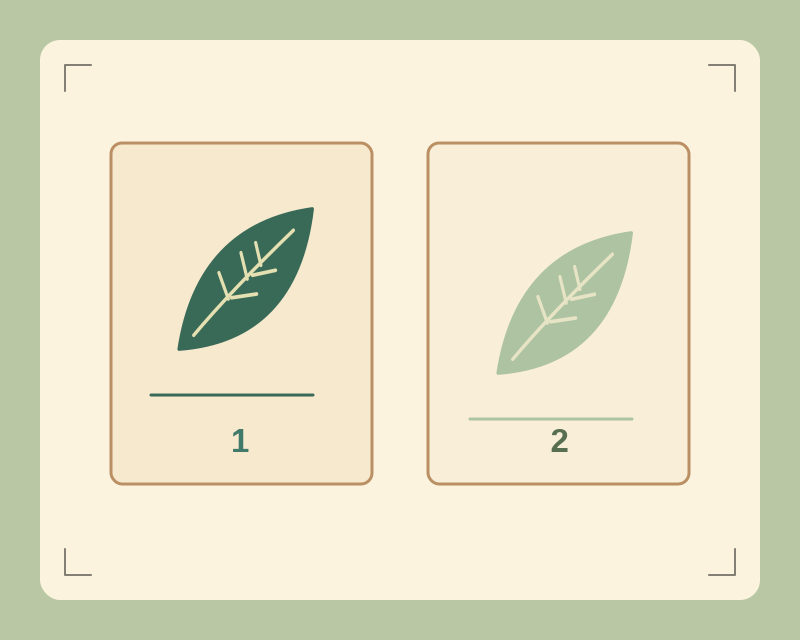
Usa una forma asimétrica y conserva las dos impresiones. Al compararlas, fíjate tanto en la inversión como en los detalles que se pierden o aparecen.
Prepara una superficie lisa
Reúne una placa reutilizable de plástico liso con esquinas romas, tinta al agua para grabado, un rodillo pequeño, papel y una cuchara de madera. Protege la mesa y ten a mano un paño. Aplica una capa fina de tinta a la placa; al pasar el rodillo deben quedar visibles los bordes del área entintada.
Dibuja quitando tinta
Con un hisopo, abre una curva en la película de tinta y añade nervaduras en un solo lado. Reserva una zona más oscura en el borde opuesto. Antes de estampar, dibuja una flecha en una hoja aparte para indicar hacia dónde apunta la curva en la placa.
Levanta la primera impresión
Baja el papel desde un borde y sostenlo para que no resbale. Frota el reverso con la cuchara, con presión pareja, del centro hacia fuera. Levanta despacio. Al mirar el lado impreso, coteja la dirección de la curva con la flecha y busca dónde se conservaron las nervaduras.
Recoge lo que queda
Sin volver a aplicar tinta, apoya otra hoja y repite la presión. La segunda impresión suele ser más tenue, pero puede mostrar una textura que la primera ocultaba. Si sale casi vacía, registra ese resultado y vuelve a probar con una película de tinta apenas más uniforme en otra placa preparada.
Presenta las dos como un par
Déjalas secar y escribe al reverso «primera» y «fantasma». Anota papel, presión y un detalle que cambió. Para repetir el ejercicio, modifica una sola cosa, como el papel. Las dos impresiones dejan rastros distintos de la misma placa.
A first monotype: two prints from the same plate
Draw a bent leaf on an inked plate. When you lift the paper, the curve will face the other way. Traces of ink will remain on the plate. A second piece of paper can pick them up, forming a different image known as a ghost print.
Use an asymmetric shape and keep both prints. Compare the reversal and look for details that disappear or emerge.
Prepare a smooth surface
Gather a reusable smooth plastic plate with rounded corners, water-based printmaking ink, a small roller, paper and a wooden spoon. Protect the table and keep a cloth nearby. Roll a thin layer of ink onto the plate, leaving the edges of the inked area visible.
Draw by removing ink
Use a cotton swab to clear a curved line in the ink film and add veins on just one side. Leave a darker patch on the opposite edge. Before you print, draw an arrow on a separate piece of paper to record the direction of the curve on the plate.
Lift the first print
Lower the paper from one edge and hold it so it cannot slip. Rub the back with the spoon, pressing evenly from the center outward. Lift it slowly. On the printed side, compare the curve with the arrow and look for the veins that survived the transfer.
Pick up what's left
Without adding ink, lay down another sheet and repeat the pressure. This second print is often fainter, but it may reveal textures that the first hid. If it comes out almost blank, record the result and try again with a slightly more even film of ink on a freshly prepared plate.
Present the two as a pair
Let them dry and write “first” and “ghost” on the backs. Note the paper, pressure and one detail that changed. To repeat the exercise, change just one thing, such as the paper. The two prints hold different traces of the same plate.
第一次做单版印画:从同一块版上印两次
在上墨的版面上画一片弯曲的叶子。揭下纸后,曲线会朝向另一边。版上还会留有残墨,可以用第二张纸转印出一幅不同的图像,称为残墨印。
选一个不对称的形状,保留两张印画。比较时,既看方向反转,也看有哪些细节消失或显现。
准备平滑的版面
准备一块圆角、表面光滑、可重复使用的塑料板、水性版画油墨、小滚筒、纸和木勺。保护好桌面,手边备一块布。用滚筒薄薄上一层墨,让着墨区域的边缘清楚可见。
擦去油墨来作画
用棉签在墨层中擦出一条曲线,只在一侧添几条叶脉。在相反的一边保留一小片较深的墨。印之前,在另外一张纸上画箭头,标出版面上曲线的方向。
揭下第一张印画
从一边把纸放下,用手扶住,免得滑动。用木勺从中心向外均匀压擦纸背,然后慢慢揭起。看着印有图案的那一面,对照箭头检查曲线方向,再找找哪些叶脉成功转印了。
把剩下的墨也印出来
不再上墨,放上另一张纸,用同样的压力转印。第二张通常更浅,但可能显露第一张里看不出的纹理。如果几乎没有图案,记下结果,下轮用重新备好的版试试把墨滚得略均匀一点。
把两张摆在一起
晾干后,在背面分别写上“第一张”和“残墨印”。记下纸张、压力和一处变化。再做一轮时,只换一个条件,例如纸张。两张印画留下了同一版面不同的痕迹。
Fuentes y método
Fuentes consultadas el 14 de noviembre de 2026. Los casos y datos numéricos de los ejercicios son ficticios. Editorial standards · Disclosures.