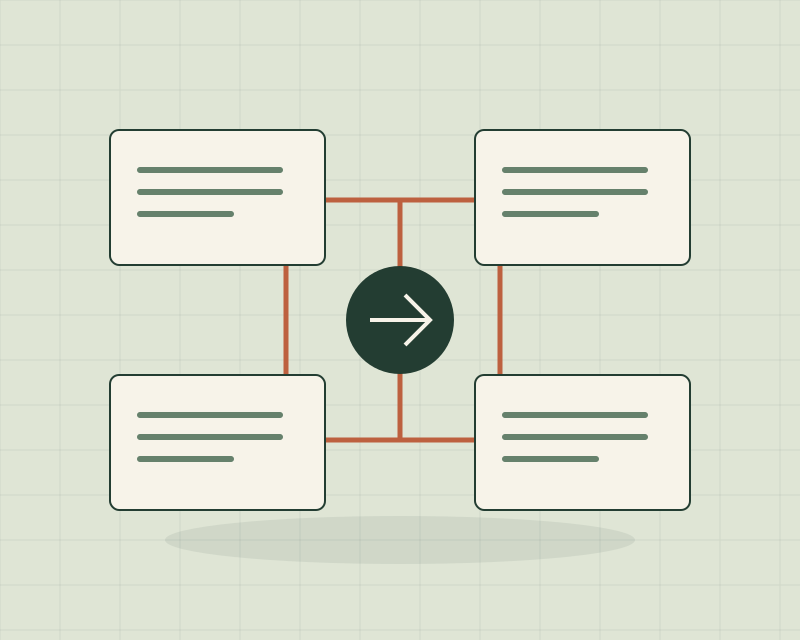
Asigna una URL recuperable a cada página y comprueba enlaces consecutivos, contenido y canonical. Revisa la carga visual y el recorrido rastreable como partes del mismo catálogo.
Dibuja la colección antes de revisar botones
El catálogo ficticio tiene 29 productos y muestra hasta 12 por página, con un orden fijo para este ejercicio. La revisión empieza con una lista de qué productos corresponden a cada tramo. Una lista que cambia durante la prueba necesita una referencia temporal.
Anota también idioma, filtros y orden seleccionado. Cambiar la clasificación mientras avanzas puede mover productos entre páginas y dificultar la comparación.
Conserva una dirección para cada tramo
| Tramo | URL de ejemplo | Contenido esperado |
|---|---|---|
| 1 | /catalogo/ | Productos 1–12 |
| 2 | /catalogo/?pagina=2 | Productos 13–24 |
| 3 | /catalogo/?pagina=3 | Productos 25–29 |
Son direcciones ilustrativas, no rutas de este sitio. Google recomienda URLs distintas y un canonical propio para las páginas de una secuencia. Una segunda página con otros productos necesita revisarse como esa página, sin apuntar automáticamente su canonical a la primera.
Los fragmentos como #pagina2 no sustituyen esas URLs: Google no los utiliza para distinguir páginas de una colección.
Sigue los enlaces que unen la secuencia
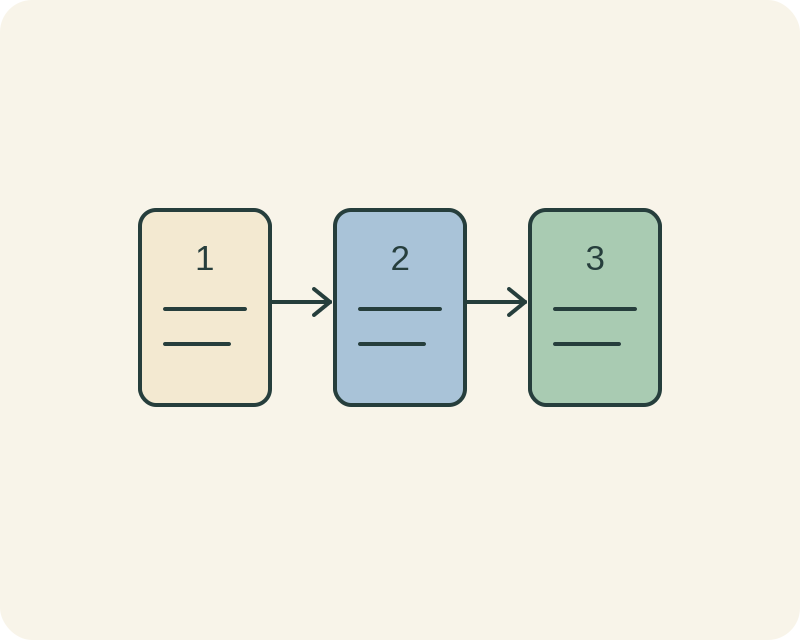
Comprueba un enlace Siguiente desde el primer tramo al segundo y otro desde el segundo al tercero. Conserva una forma clara de volver a los tramos anteriores. El texto debe permitir reconocer qué se abrirá.
Una muestra de código escapado es <a href="/catalogo/?pagina=2">Siguiente</a>. La documentación de Google recomienda enlaces con a y href. Un botón que ejecuta una acción necesita una revisión adicional del recorrido disponible.
Prueba también la entrada directa
Abre la dirección de la segunda página en una ventana nueva. Comprueba que devuelve el tramo esperado y que su contenido puede encontrarse sin haber recorrido primero doce productos. Después prueba recarga y regreso.
Si la interfaz usa cargar más o desplazamiento continuo, busca las URLs y enlaces que sostienen cada tramo. Googlebot generalmente encuentra enlaces, pero no pulsa botones ni activa acciones como una persona.
Comprueba el principio y el final
En la tercera página deben aparecer cinco productos. Revisa que el final no repita indefinidamente el último tramo ni anuncie una página siguiente vacía como si contuviera más artículos. Prueba además cómo responde una dirección fuera del rango.
Comprueba reglas de rastreo y otras instrucciones si una página esperada no está disponible. El mapa de enlaces y el sitemap pueden ayudar al descubrimiento; la indexación requiere observarse por separado.
Guarda un recorrido reproducible
Registra origen, enlace, destino final, estado HTTP, productos esperados y observados, canonical e idioma. Repite la muestra cuando cambien tamaño de página, orden o tecnología de carga. Así podrás localizar si la diferencia está en la dirección, el enlace o el contenido entregado.
A paginated catalog needs a path between its pages
Seeing the first products does not show whether the rest have an accessible route. Follow the collection from first page to last while preserving each segment’s identity.
Give each page a retrievable URL and check sequential links, content and canonical. Review visual loading and the crawlable route as parts of one catalog.
Map the collection before checking buttons
The fictional catalog has 29 products, up to 12 per page, in a fixed order for this exercise. Start by listing which products belong to each segment. A list that changes during testing needs a timed reference.
Record language, filters and selected order. Changing sorting while navigating can move products between pages and complicate comparison.
Keep an address for each segment
| Segment | Example URL | Expected content |
|---|---|---|
| 1 | /catalogo/ | Products 1–12 |
| 2 | /catalogo/?pagina=2 | Products 13–24 |
| 3 | /catalogo/?pagina=3 | Products 25–29 |
These illustrate addresses, not routes on this site. Google recommends distinct URLs and a self-canonical for pages in a sequence. A second page with other products needs review as that page, without automatically canonicalizing it to the first.
Fragments such as #pagina2 do not replace those URLs: Google does not use them to distinguish pages in a collection.
Follow links joining the sequence
Check a Next link from the first segment to the second and from the second to the third. Keep a clear route back to earlier segments. Link text should identify what opens.
An escaped sample is <a href="/catalogo/?pagina=2">Next</a>. Google recommends a elements with href. A button executing an action needs an additional review of the available route.
Test direct entry too
Open the second page’s address in a fresh window. Confirm it returns the expected segment without requiring the first twelve products to be traversed. Then test reload and return.
For load-more or infinite scrolling interfaces, find the URLs and links supporting each segment. Googlebot generally discovers links but does not click buttons or trigger actions like a person.
Check the beginning and end
The third page should show five products. Check that the end does not indefinitely repeat the last segment or advertise an empty next page as more content. Test an out-of-range address too.
Inspect crawl rules and other instructions if an expected page is unavailable. Links and sitemaps can support discovery; observe indexing separately.
Save a reproducible route
Record origin, link, final destination, HTTP status, expected and observed products, canonical and language. Repeat when page size, sorting or loading technology changes. This helps locate differences in the address, link or delivered content.
分页目录需要连接各页的路径
看到目录的首批商品,并不能说明后续内容有可访问路径。应从第一页走到最后一页,同时保留各段的身份。
为每页提供可直接获取的 URL,核对相邻链接、内容和 canonical,并把视觉加载与可抓取路径作为同一目录的组成。
检查按钮前先画出集合
虚构目录共 29 件商品,每页最多 12 件,练习采用固定排序。先列出每段应有的商品。如果测试中清单变化,应保存带时间的参考。
也记录语言、筛选和排序。浏览期间改变排序,可能让商品移到别页,影响比较。
为每段保留地址
| 段 | 示例 URL | 预期内容 |
|---|---|---|
| 1 | /catalogo/ | 商品 1–12 |
| 2 | /catalogo/?pagina=2 | 商品 13–24 |
| 3 | /catalogo/?pagina=3 | 商品 25–29 |
这些地址用于示例,并非本站路由。Google 建议序列各页采用独立 URL 和指向自身的 canonical。含不同商品的第二页应作为第二页检查,不应自动把 canonical 指向首页。
#pagina2 等片段不能替代这些 URL,Google 不用片段区分集合中的页面。
沿链接查看顺序
检查第一段到第二段、第二段到第三段的下一页链接,并保留明确返回路径。链接文字应说明将打开什么。
转义代码示例为 <a href="/catalogo/?pagina=2">下一页</a>。Google 建议 a 元素带 href。执行动作的按钮还需额外检查可用路径。
也测试直接进入
在新窗口打开第二页地址,确认直接返回预期部分,无需先浏览前十二件商品,再测试刷新和返回。
使用加载更多或无限滚动时,寻找各段背后的 URL 与链接。Googlebot 通常发现链接,但不会像人一样按按钮或触发操作。
核对开头与结尾
第三页应有五件商品。检查末尾是否无限重复,或把空白下一页显示成更多内容,也测试范围以外的地址。
预期页面不可用时,检查抓取规则和其他指令。链接及 sitemap 有助于发现,索引状态则需另行观察。
保存可重现的路径
记录来源、链接、最终地址、HTTP 状态、预期及实际商品、canonical 和语言。页容量、排序或加载技术变化时重复抽查,以定位地址、链接或返回内容的差异。
Fuentes y método
- Google Search Central · Pagination and incremental page loading ↗
- Google Search Central · Crawlable links ↗
Fuentes consultadas el 6 de noviembre de 2026. Los escenarios y cifras ilustrativos son ficticios. Ejercicios y fichas originales, sin resultados de clientes ni observaciones de campo atribuidos. Editorial standards · Disclosures.