Multiply each amount by its probability and keep both inputs. Review the total with its underlying opportunities, dates and the origin of the weights.
Define which opportunities belong
Choose an expected closing period and snapshot date. Use one currency and an amount definition the team can explain. Separate open, won and lost opportunities before constructing this sample.
HubSpot documents a weighted amount combining deal amount and probability. Salesforce describes expected revenue using those fields. Field names and other forecasting functions vary by product.
Identify where probability comes from
A percentage may come from stage configuration, an individual estimate or historical analysis. Record its origin and date. A configured value needs review before being treated as an observed rate.
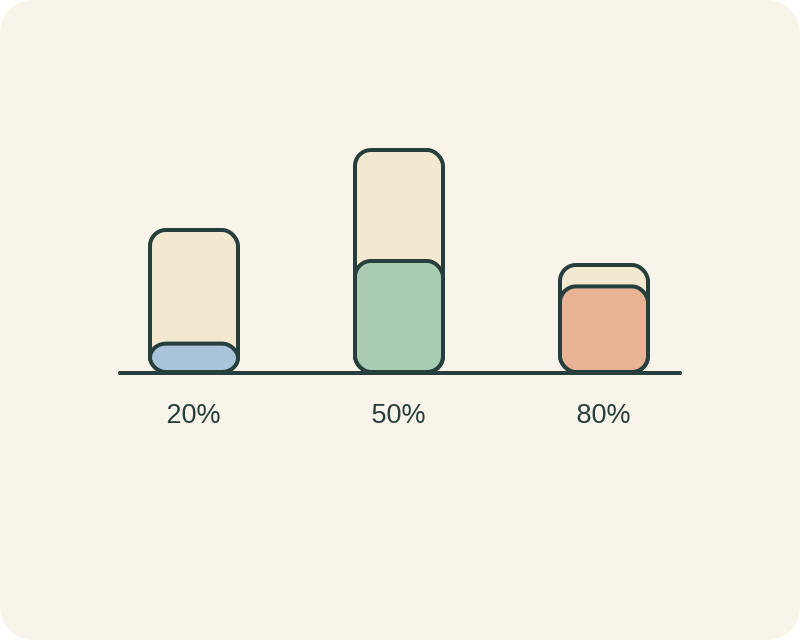
This exercise assigns fictional weights of 20%, 50% and 80%. They are not customer data or recommended CRM settings.
Calculate three rows before adding
| Opportunity | Amount | Weight | Weighted |
|---|---|---|---|
| A | 10,000 | 20% | 2,000 |
| B | 20,000 | 50% | 10,000 |
| C | 5,000 | 80% | 4,000 |
| Total | 35,000 | — | 16,000 |
Multiply each amount by probability as a fraction. The weighted total is 2,000 + 10,000 + 4,000 = 16,000. The unweighted sum remains 35,000; retain both labels.
B contributes more to the weighted amount although C has the highest percentage. Percentages alone hide offer size.
Change one assumption and keep the difference
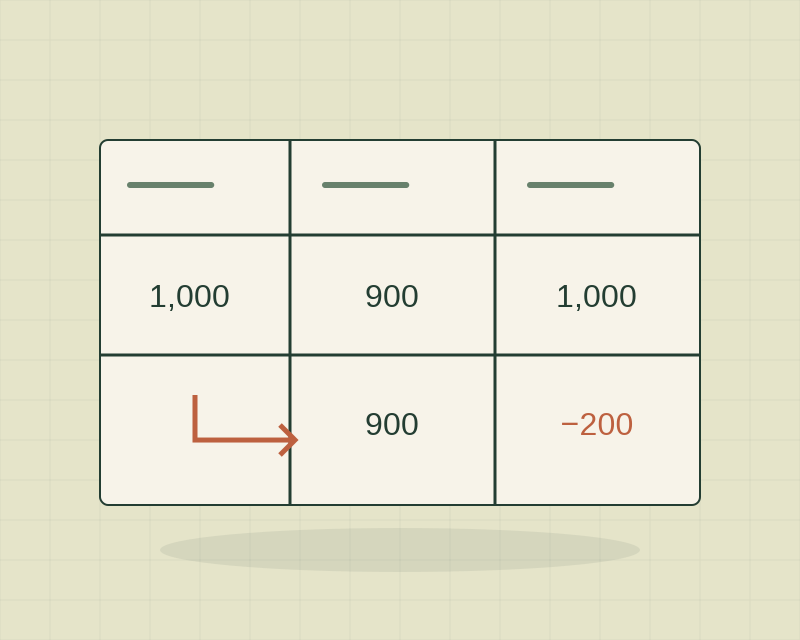
If B changes from 50% to 30% with other fields unchanged, its contribution becomes 6,000 and the total 12,000. The 4,000 reduction comes from an assumption without an observed lost sale.
Save both versions and the reason for changing them. If the expected close date also changes, check whether the opportunity still belongs in the selected period.
Connect the number to its question
Weighting supports a pipeline discussion under stated assumptions. Actual wins are complete opportunity outcomes. Collections also require due dates and payments, covered by the cash calendar guide.
A few large opportunities, or several depending on one decision, can produce outcomes far from the summary. Inspect that composition before planning work from it.
Review the model when results arrive
Keep a pipeline snapshot, its period and rules. After the period closes, compare outcomes with recorded probabilities and study sufficiently sized samples by stage. Correct records and assumptions with evidence, keeping changes visible at the next snapshot.
Follow the evidence.
Sources checked November 5, 2026. Illustrative scenarios and numbers are fictional. Original exercises and records, without attributed customer results or field observations. Our editorial standards.