Retain closure evidence and distinguish the buyer’s statement from internal interpretation. Choose a checkable improvement while respecting that the decision has ended.
Choose an identifiable closure
Gather proposal, version, latest agreement and decision evidence. Choosing another supplier and not replying are different facts. If the team administratively closes a wait, record that rule without attributing a decision to the buyer.
HubSpot describes win-loss reviews as interviews investigating why an opportunity was won or lost. We take that question without reproducing its questionnaires or assuming each customer’s “real” motive.
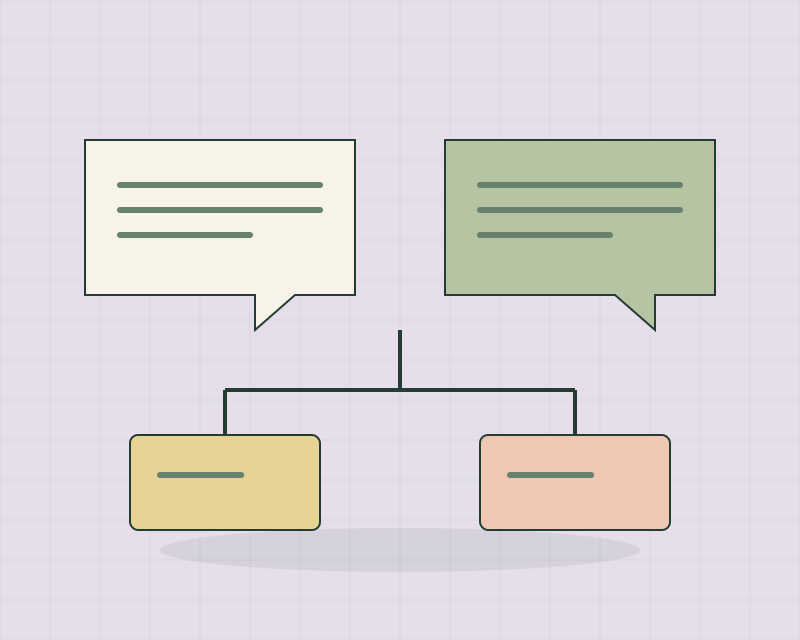
Separate three layers before tagging
- Outcome: the documented decision or closure.
- Stated reason: what the person communicated and when.
- Interpretation: what the team thinks might explain it.
“No budget this period” may be exactly the reported condition. Do not replace it with “did not understand value” without evidence. Keep an unshared reason unknown. Our objection guide concerns an open conversation; this review follows closure.
Read three fictional cases differently
| Case | Available evidence | Retain |
|---|---|---|
| A | Declined because of period budget | Closure and stated reason |
| B | Confirmed keeping the current process | Closure; detailed reasons unknown |
| C | Did not answer the latest message | No response; decision unconfirmed |
Do not group C as “chose a competitor.” Nor assume B compared prices. Two confirmed closures do not represent all buyers; even a stated reason may cover only part of the decision process.
Keep date and message reference beside the permitted summary. A CRM tag helps grouping but replaces neither evidence nor causal investigation.
Invite comments only where appropriate
Where relationship and channel permit, propose optional feedback. An original message could say: “Thank you for confirming the decision. If you would like to share what influenced it, that would help us review our proposal. We are not seeking to reopen it.” Refusal or silence calls for no further reminders.
Ask which condition mattered, what was unclear or what should be explained earlier. Listen without defending every choice. Request neither private competitor documents nor unnecessary information. We propose an invitation here; we contacted and interviewed nobody.
Turn a finding into a check
If someone says required materials were hard to identify, check whether they were visible in the relevant proposal version. One action is a clearer section tested by asking another reader to find it. That comment does not entail changing the whole offer’s price.
Compare similar cases before claiming a trend and retain cases contradicting the initial explanation. The commercial record keeps states; here documented closures inform a process decision.
Close the learning too
Retain review scope, evidence, stated reason, hypothesis, proposed change, owner and next check. Share a summary without identifying details when other teams need it. The review should not become a public list of customer or seller mistakes.
Our follow-up guide supports agreed next steps. Reviewing a closure authorizes no new campaign and guarantees no recovered sale. A better explanation, open question or decision to change nothing yet can be useful.
Follow the evidence.
Sources checked October 27, 2026. Illustrative scenarios and numbers are fictional. The records and exercises are original editorial proposals, without attributed customer results or provider tests. Our editorial standards.