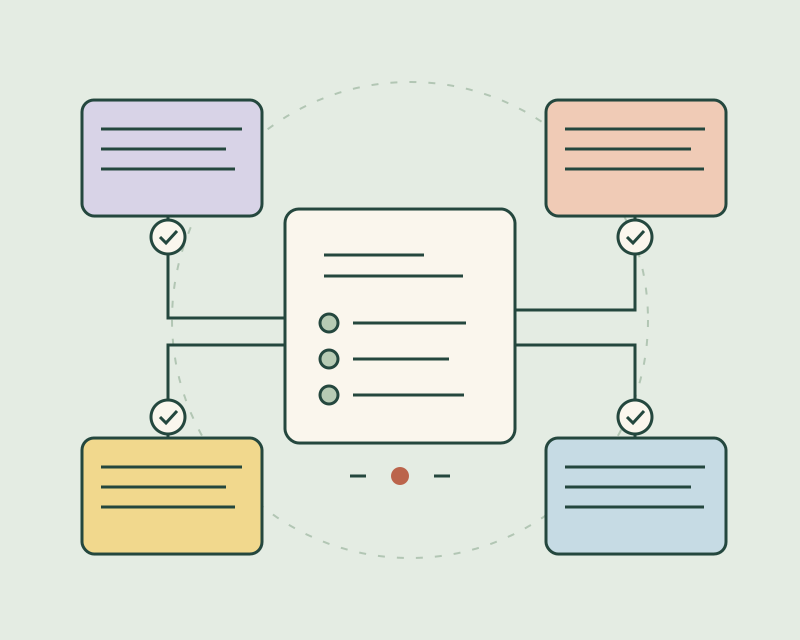
Trata llms.txt como una orientación editorial hacia documentos. Comprueba contenido, alcance y destinos, y revisa el acceso mediante sus controles correspondientes.
Identifica la propuesta que estás leyendo
La propuesta v2 de llms-txt, modificada el 10 de agosto de 2026, plantea un archivo Markdown con contexto, orientación y enlaces a documentos adecuados para agentes. Puede estar en la raíz o en una ruta más específica. Es una propuesta: publicar un archivo no demuestra adopción por todos los servicios.
Anota versión consultada y ubicación. Una guía que describa únicamente el archivo en la raíz puede necesitar revisión. Aquí examinamos el documento y sus destinos; no hemos instalado ni probado una integración en un proveedor.
Recorre un ejemplo pequeño
Esta biblioteca ficticia publica guías de reparación de objetos. El fragmento es original e ilustrativo; las direcciones de example.org representan recursos hipotéticos, no documentos cuya disponibilidad hayamos comprobado.
# Biblioteca de objetos

> Guías públicas para conocer materiales y mantenimiento.

Las fichas identifican su fecha de revisión y sus límites.

## Guías
- [Materiales](https://example.org/docs/materiales.md): Identificar el material antes de elegir una guía.
- [Cuidado](https://example.org/docs/cuidado.md): Rutinas descritas y excepciones.
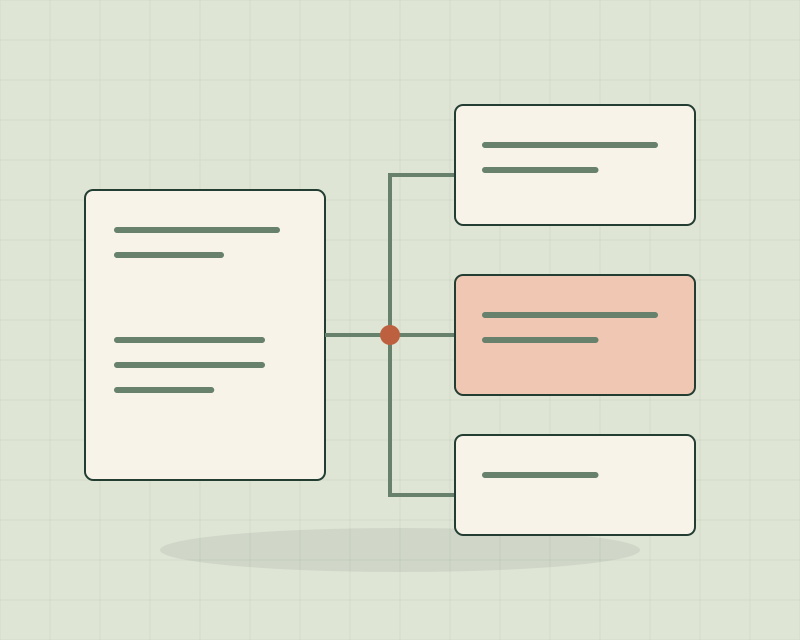
El encabezado identifica el conjunto; el resumen explica su propósito; las notas ayudan a interpretar los enlaces. En el formato propuesto, el H1 es el único apartado obligatorio. Cumplir ese mínimo no garantiza que una persona o un agente encuentre información suficiente.
Examina lo que hay detrás de cada enlace
Para cada entrada real, abre el destino y comprueba que contiene el documento anunciado. ¿Es texto legible, una pantalla de acceso o un error? ¿Conserva ejemplos, advertencias y fecha? Un resumen limpio que omite las condiciones puede cambiar el sentido de la guía.
Escribe una ficha con etiqueta, URL, función, fecha comprobada y problema encontrado. Si existe una edición Markdown y otra HTML, compara una afirmación importante entre ambas. Esta revisión editorial no simula cómo todos los agentes descargarían o interpretarían el sitio.
Resuelve el acceso por separado
RFC 9309 describe reglas de robots.txt que se solicita a los rastreadores respetar; también aclara que no son autorización de acceso. llms.txt no reemplaza esas reglas ni protege documentos privados. Un enlace descriptivo tampoco concede permisos para entrar en un recurso restringido.
Usa la guía de pruebas de robots.txt cuando necesites comprobar una regla. La distinción entre robots, noindex y canonical resuelve otras preguntas de publicación. No escribas restricciones esperando que un índice de enlaces las haga cumplir.
Asigna una revisión al mapa
- Elige documentos públicos que respondan tareas reconocibles.
- Describe la función de cada destino sin prometer lo que no contiene.
- Retira o corrige referencias rotas y conserva sustituciones identificables.
- Revisa el mapa cuando cambien documentos, rutas o condiciones.
Para la biblioteca ficticia, sustituir una ficha de material requiere revisar tanto su enlace como la nota que explica cuándo consultarla. Copiar automáticamente todos los títulos puede producir una lista grande sin orientación útil.
Conserva una conclusión del tamaño de la prueba
Una revisión puede confirmar que el archivo existe, que sus enlaces abren y que el contenido corresponde. Para afirmar uso por un servicio necesitas evidencia de ese servicio; para afirmar inclusión en una respuesta, observar esa respuesta con su contexto.
La guía de respuestas en varias plataformas organiza comprobaciones más amplias. Este mapa puede facilitar la lectura de documentación, pero su presencia no acredita indexación, citas, entrenamiento permitido ni mejores posiciones.
Read llms.txt as a Documentation Map, Alongside Its Access Controls
A file called llms.txt can help explain how a site organizes information for agents. Assess it by reading what it describes and where it leads; the filename does not establish that a system uses it.
Treat llms.txt as editorial guidance toward documents. Check its content, scope and destinations, and examine access through the appropriate controls.
Identify the proposal you are reading
The llms-txt v2 proposal, modified August 10, 2026, describes a Markdown file with context, guidance and links to documents suitable for agents. It can sit at the root or a more specific path. It is a proposal: publishing a file does not establish adoption by every service.
Record the version consulted and location. A guide describing only a root-level file may need revision. Here we examine the document and its destinations; we have neither installed nor tested a provider integration.
Walk through a small example
This fictional library publishes guides about repairing objects. The fragment is an original illustration; example.org addresses represent hypothetical resources, rather than documents we checked for availability.
# Object library

> Public guides to materials and maintenance.

Each record identifies its review date and limitations.

## Guides
- [Materials](https://example.org/docs/materiales.md): Identify the material before choosing a guide.
- [Care](https://example.org/docs/cuidado.md): Described routines and exceptions.
The heading identifies the collection; the summary explains its purpose; notes help interpret links. In the proposed format, H1 is the only required section. Meeting that minimum does not ensure that a person or agent finds enough information.
Examine what each link leads to
For each real entry, open the destination and check that it contains the promised document. Is it readable text, an access screen or an error? Does it retain examples, warnings and a date? A clean summary that omits conditions can change a guide’s meaning.
Keep a record of label, URL, purpose, date checked and problem found. If Markdown and HTML editions exist, compare an important claim between them. This editorial review does not simulate how every agent would fetch or interpret the site.
Address access separately
RFC 9309 describes robots.txt rules that crawlers are requested to honor; it also states that these are not access authorization. llms.txt neither replaces those rules nor protects private documents. A descriptive link does not grant entry to a restricted resource.
Use our robots.txt testing guide to check a rule. The distinction between robots, noindex and canonical addresses other publication questions. Do not write restrictions expecting a link directory to enforce them.
Assign the map a review
- Choose public documents that answer recognizable tasks.
- Describe each destination’s purpose without promising absent content.
- Correct broken references and keep replacements identifiable.
- Review the map when documents, paths or conditions change.
For the fictional library, replacing a material record requires checking both the link and the note explaining when to consult it. Automatically copying every title can produce a long list with little useful guidance.
Match the conclusion to the check
A review can establish that the file exists, links open and content corresponds. Claiming use by a service requires evidence from that service; claiming inclusion in an answer requires observing that answer in context.
Our multi-platform answers guide organizes broader checks. This map may ease documentation reading, but its presence establishes neither indexing, citations, permitted training nor higher rankings.
把 llms.txt 当作文档地图,并单独核对访问控制
名为 llms.txt 的文件,可能帮助你了解网站如何为智能体组织信息。评估时先读它描述什么、链接到哪里;文件名称本身不能证明某个系统会使用它。
把 llms.txt 视为引导文档阅读的编辑说明,检查内容、范围与目标,并通过相应机制核对访问。
先确认读的是哪一版提案
llms-txt v2 提案于 2026 年 8 月 10 日修改,提出用 Markdown 文件提供背景、指引及适合智能体阅读的文档链接。文件可位于根目录,也可位于更具体的路径。这仍是提案;发布文件不能证明所有服务都采用它。
记录查阅版本与位置。只描述根目录文件的指南可能需要更新。本文检查文档与链接目标,没有安装或测试任何服务商集成。
读一个小示例
虚构的“物件资料馆”发布物品修理指南。以下片段为原创示例,example.org 地址代表假设资源,不是本站核实可访问的文档。
# 物件资料馆

> 关于材料与保养的公开指南。

每份记录标明审核日期与限制。

## 指南
- [材料](https://example.org/docs/materiales.md): 选择指南前先识别材料。
- [养护](https://example.org/docs/cuidado.md): 已说明的日常操作与例外。
一级标题标识集合,摘要解释目的,注释帮助理解链接。提案格式中,只有 H1 为必需部分。满足最低要求,并不保证人或智能体能找到充分信息。
检查链接背后的内容
对每个真实条目,打开目标并确认它包含所描述的文档。看到的是可读文字、登录界面还是错误?示例、提醒与日期是否保留?删去条件的简洁摘要可能改变指南含义。
记录名称、URL、用途、检查日期与问题。若同时有 Markdown 和 HTML 版本,比较其中一项重要陈述。这是编辑审核,不模拟所有智能体抓取或理解网站的方式。
单独处理访问问题
RFC 9309 描述请求爬虫遵守的 robots.txt 规则,也明确它们不是访问授权。llms.txt 不替代这些规则,也不保护私密文档。描述性链接并不授予进入受限资源的权限。
需要检查规则时,使用本站robots.txt 测试指南。robots、noindex 与 canonical 的区别处理其他发布问题。不要期望链接目录执行访问限制。
为地图安排审核
- 选择能够回答明确任务的公开文档。
- 说明每个目标的作用,不承诺其中没有的内容。
- 修正失效引用,让替换关系可辨认。
- 文档、路径或条件变化时重新检查。
对虚构资料馆,替换材料记录时,既要检查链接,也要检查说明何时使用它的注释。自动复制所有标题,可能得到很长却缺乏引导的清单。
让结论与检查相称
审核可确认文件存在、链接可打开、内容与说明相符。若声称某服务使用它,需要该服务的证据;若声称进入某个回答,需要在具体语境中观察该回答。
本站多平台回答指南整理更广泛的核对方法。这份地图可能方便阅读文档,但其存在不证明收录、引用、获准训练或排名提高。
Fuentes y método
Fuentes consultadas el 24 de octubre de 2026. Los escenarios y cifras ilustrativos son ficticios. Las fichas y ejercicios son propuestas editoriales originales, sin resultados de clientes ni pruebas de proveedores atribuidos. Editorial standards · Disclosures.