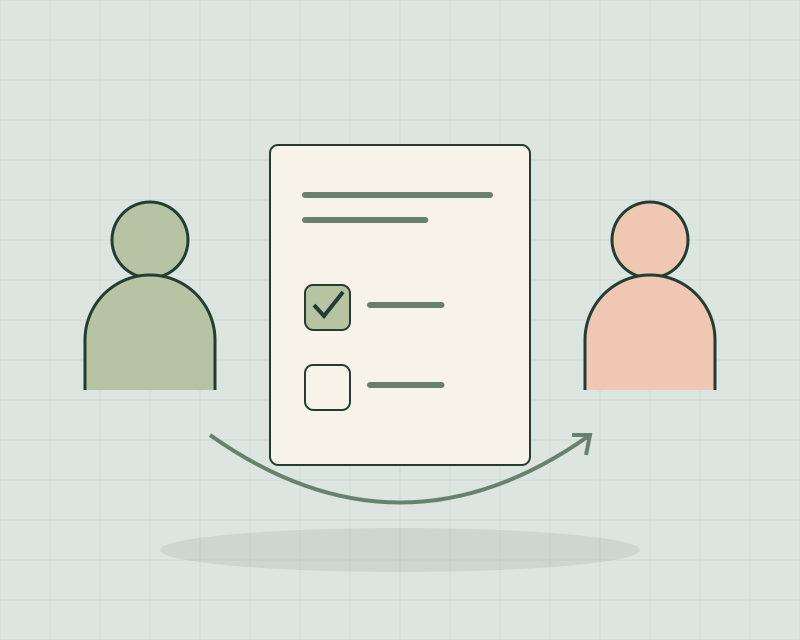
Acuerda una tarea que importe al cliente, una población elegible y una ventana de observación. Cuenta quién la completó además del número de veces.
Define la tarea y a quién le toca
En el portal ficticio, la tarea es enviar una solicitud de compra que el sistema confirme. Abrir un formulario o guardarlo a medias queda fuera de esta cuenta. El cliente identifica a diez personas cuyo puesto requiere presentar solicitudes esa semana. Excluye cuentas de prueba y registra el motivo de cualquier cambio de elegibilidad.
Deduplica las personas y conserva el volumen
Usa una clave estable por persona para contar una vez a quien envía varias solicitudes. Para el total de actividad, identifica también la solicitud y evita que un reintento técnico cuente dos veces. Mantén ambos totales: personas con al menos un envío confirmado y solicitudes confirmadas.
Lee dos cuentas con el mismo total
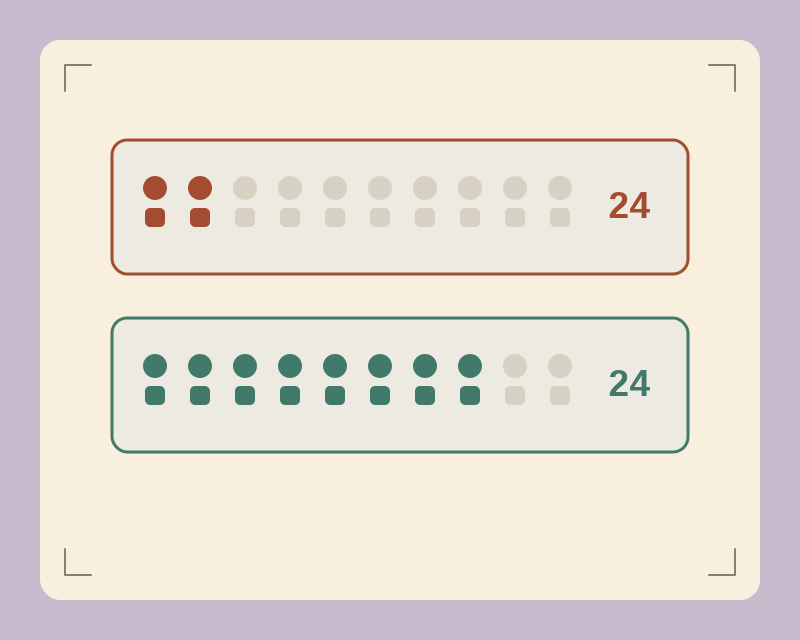
En la cuenta A, dos de diez personas completaron 24 solicitudes. En la B, ocho de diez completaron 24. La cobertura es 20 % y 80 %, respectivamente. Si algunas personas delegan formalmente la tarea, revisa la población con el cliente antes de comparar esas cifras.
Decide qué preguntar en la reunión
En A, pregunta si las dos personas estaban autorizadas para concentrar el trabajo o si al resto le faltó acceso o práctica. En B, verifica si quienes empezaron pueden continuar cuando tengan otra solicitud. Repartir actividad en una semana aporta evidencia distinta de repetir una tarea cuando vuelve a hacer falta.
Repite con una ventana equivalente
Guarda fechas, definición de tarea, elegibles, participantes y total de eventos. Repite con otra semana completa y documenta cambios de puestos o vacaciones. Al cliente le basta el resultado agregado para abrir la conversación.
Adoption in a customer account: how many people complete the task?
A purchasing team starts using a portal. Two customer accounts complete 24 requests each. In one account all the work went through two people. In the other it was split across eight. The request count alone makes adoption look equally broad.
Agree on a task that matters to the customer, an eligible group and an observation window. Count who completed it as well as how many times it happened.
Define the task and the people expected to do it
In the fictional portal, the task is submitting a purchase request that the system confirms. Opening a form or saving a draft falls outside that definition. The customer identifies ten people whose role calls for submitting requests that week. Exclude test accounts and document why eligibility changes.
Deduplicate people and keep the volume
Use a stable key per person to count someone once even if they submit several requests. To measure volume, identify the request as well and keep a technical retry from counting twice. Keep both totals: people with at least one confirmed submission and confirmed requests.
Read two accounts with the same volume
In account A, two out of ten people completed 24 requests. In account B, eight out of ten completed 24. Coverage is 20% and 80%, respectively. If some people formally delegate the task, check the eligible group with the customer before comparing the figures.
Decide what to ask in the meeting
In A, ask whether the two people were authorized to handle the work for others or whether the others lacked access or practice. In B, see whether the people who started can continue when another request comes up. Activity spread across a week tells you something different from repeating the task when the need returns.
Use an equivalent window next time
Save the dates, task definition, eligible group, participant count and event total. Repeat over another complete week and document changes in roles or holidays. The aggregate result is enough to start the conversation with the customer.
客户账户的采用范围:有多少人完成了任务
一个采购团队开始使用门户。两个客户账户各完成了 24 份申请。一个账户的工作都由两个人处理,另一个则分布在八个人身上。只看申请数量,两家似乎有相同的采用范围。
与客户约定一项有用的任务、符合条件的人群和观察时段。除了记录任务完成次数,还要数有多少人完成过。
定义任务和需要做这项任务的人
在虚构门户里,任务是提交采购申请并收到系统确认。打开表单或保存草稿都不算。客户确认该周有十名员工因岗位需要提交申请。排除测试账户,并记录符合条件的人群为何发生变化。
去重统计人员,同时保留活动量
用稳定的人员标识,让重复提交的人只计一次。统计活动量时还要标识申请本身,防止技术重试造成重复计数。保留两个总数:至少有一次确认提交的人数,以及已确认的申请数。
比较两个活动量相同的账户
账户 A 有十人中的两人完成了 24 份申请。账户 B 有十人中的八人完成了 24 份。覆盖率分别为 20% 和 80%。如果有人正式委托同事代办,比较前先与客户复核统计人群。
决定会谈时该问什么
对 A,确认两人是否获准集中处理,还是其他人缺权限或需要练习。对 B,看看已经上手的人在下一次需要申请时能不能继续做。一周内活动分布较广,与下次有需求时能再次完成,是两种不同的证据。
下次用相同长度的观察期
保存日期、任务定义、符合条件人数、参与人数和事件总数。再用一个完整周复测,记录岗位变动或休假。与客户开启讨论时,汇总结果已经足够。
Fuentes y método
Fuentes consultadas el 16 de noviembre de 2026. Los casos y datos numéricos de los ejercicios son ficticios. Editorial standards · Disclosures.