Choose a common period and calculate the value of each item's usage. Rank the results and test frequencies your team can sustain.
Decide which movements count
Use one storeroom and twelve complete months. Define which issues are for production and how to handle returns or transfers. This exercise uses a constant unit cost per item. If that cost changed, you can add up the outgoing quantities valued at their recorded costs.
Calculate three usage values
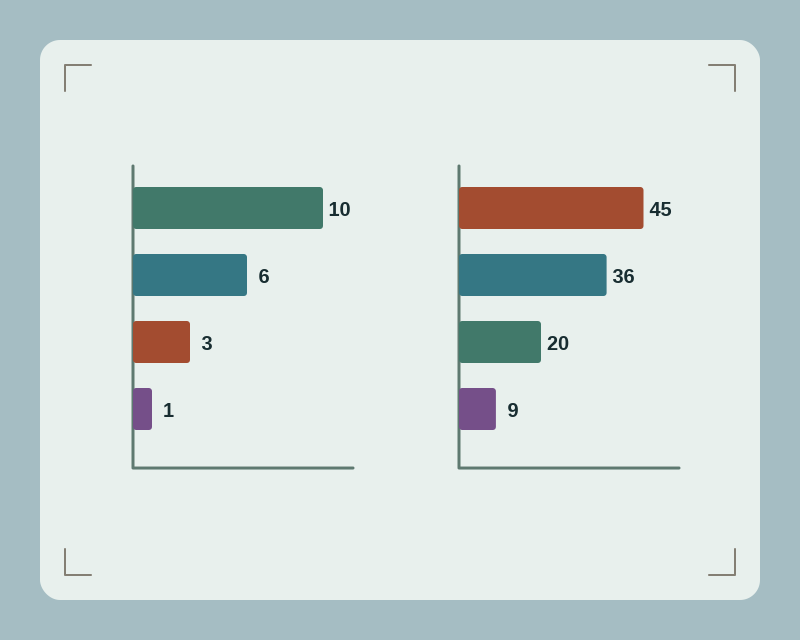
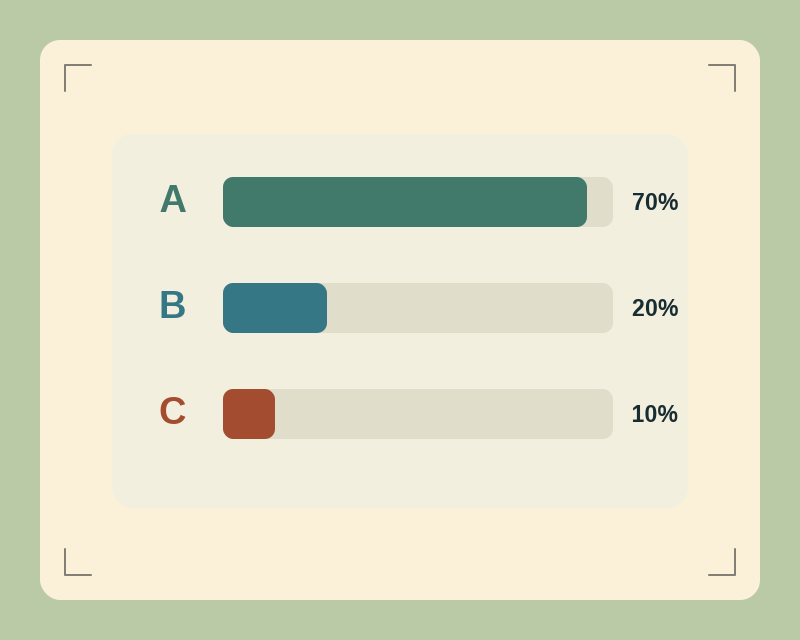
The fictional workshop used 280 covers at 25 pesos, 1,000 screws at 2 pesos and 500 dividers at 2 pesos. Their values are 7,000, 2,000 and 1,000. The total is 10,000 and the shares are 70%, 20% and 10%. The cumulative shares are 70%, 90% and 100%. Covers rank first even though they had the fewest units consumed.
Turn the ranking into a schedule
The workshop assigns covers to A, screws to B and dividers to C. It tries weekly counts for A, monthly counts for B and quarterly counts for C. These categories and intervals are choices for the exercise. Adjust the frequency to fit the team's time and check whether counts uncover discrepancies it can investigate.
Keep justified exceptions
If a cheap item stops work when it runs out, count it more often and document why. A new item with just a few weeks of usage needs a review before you compare it with items that have twelve months of history.
Make the rule repeatable
Save the period, storeroom, formula, cumulative share and agreed schedule. Recalculate after the next chosen period closes. To decide when to reorder, also review demand, lead time and pending orders.
Follow the evidence.
Sources checked November 16, 2026. The exercise scenarios and figures are fictional. Our editorial standards.