Define one question and an observable task. Prepare starting state, sequence and result, identifying what is real, simulated or still awaiting verification.
Choose the uncertainty to resolve
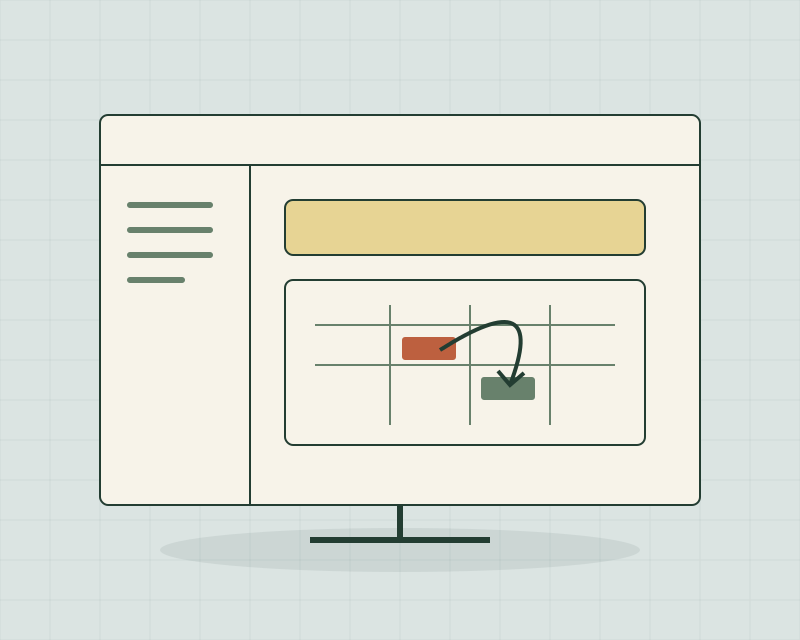
Suppose someone is evaluating a fictional class booking tool. Their question is how to move an existing reservation to another available time. Calendar colors and general statistics do not by themselves answer that question.
Salesforce Trailhead suggests beginning a demo with a question and focusing its takeaway. Our outline applies that guidance to a bounded task; it describes no verified Salesforce or other real product features. A discovery conversation can first help identify the need.
Prepare the starting state and its limits
Write what must exist: a test booking, an alternative slot and editing permissions. Use fictional data in an authorized environment. Check the sequence before presenting it and prevent a trial from accidentally sending real notifications.
Identify what is being shown. A mockup explores a proposed interface; a recording preserves an earlier sequence; a live demo exposes that environment at that moment. Do not switch among those conditions without telling the audience.
Create a sequence people can follow
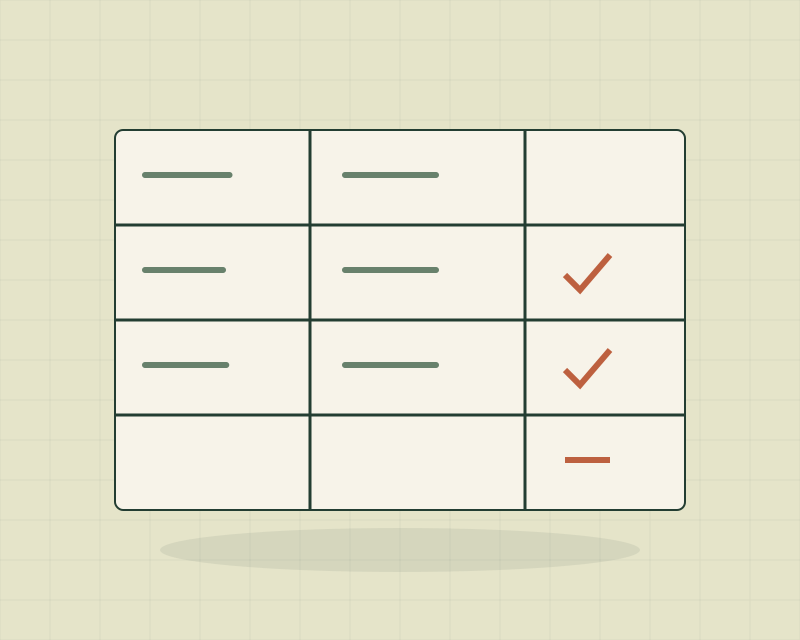
| Moment | Visible action | Audience question |
|---|---|---|
| Start | Open the test booking | Is this the kind of change you need? |
| Change | Choose an available slot | What condition would prevent moving it? |
| Result | Review the saved date and status | Where would you verify the correct time was retained? |
| Open check | Identify the untested notification | What needs checking before use with real people? |
The outline does not claim the product exists. In this example, seeing a saved status does not establish that someone else received a notification. Leave that step open if it is untested.
Allow time to look and ask
Name the starting situation, perform an action and pause at its effect. Keep the data needed for a before-and-after comparison visible. If someone asks about an exception, record it and distinguish whether you can show it now or need preparation.
Do not fill a pause with unrelated features. If the sequence fails, describe the observation and retain the unresolved step. An identified backup recording can explain the intended flow, provided you state that it does not show the current execution.
Close with observations and a specific decision
Ask the person to explain how they would handle their case and what remains unclear. A next step might test an exception in another authorized environment or review who has editing permission. “They liked the presentation” does not replace that check.
Our requirements matrix connects requests to a written offer. The package comparison explains scope. A demo contributes a sequence observation; it establishes neither full implementation, adoption nor customer outcomes.
Keep a reviewable record
- Question, audience and version or environment shown.
- Fictional data and initial conditions.
- Completed steps and evidence actually observed.
- Simulations, exceptions and outstanding checks.
- Next decision, owner and confirmation method.
When the version changes, recheck steps before reusing the outline. A task-centered demonstration supports a conversation about usefulness without turning every screen into a contractual promise.
Follow the evidence.
Sources checked October 24, 2026. Illustrative scenarios and numbers are fictional. The records and exercises are original editorial proposals, without attributed customer results or provider tests. Our editorial standards.