Da a la foto un identificador estable, conserva las pistas con su procedencia y registra las dudas como parte de la ficha.
Trabaja primero con una sola fotografía
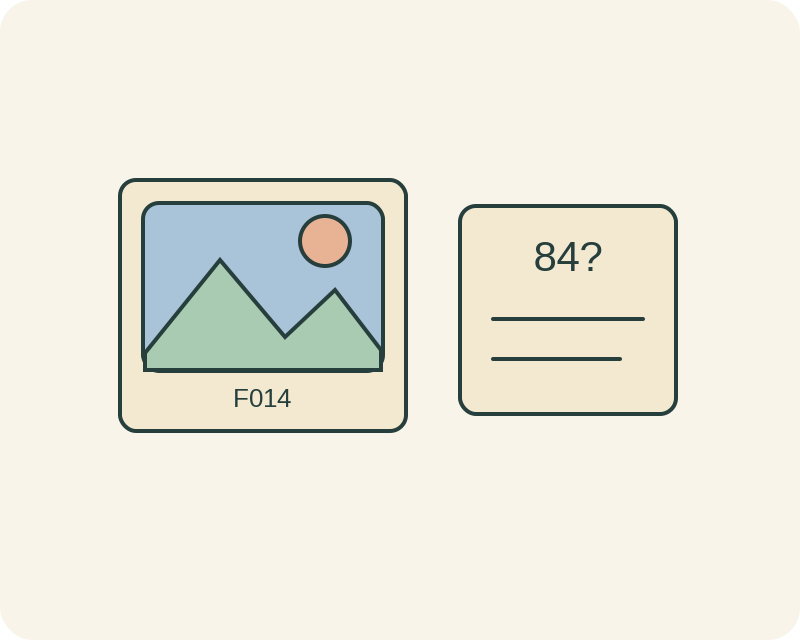
Elige una foto y asigna un identificador sencillo como F014. Usa el mismo identificador para su imagen digital y la ficha. Si hay una inscripción al dorso, descríbela en un campo separado o guarda una copia identificada del reverso.
La Library of Congress recomienda nombres descriptivos e información sobre personas y temas. Los National Archives aconsejan conservar los originales tras digitalizarlos. La ficha puede mantenerse junto a la copia digital.
Separa lo visible de lo recordado
| Procedencia | Dato registrado | Estado |
|---|---|---|
| Frente de la foto | Tres personas frente al letrero Salón Norte | Visible en la imagen |
| Inscripción al dorso | 84? escrito a lápiz | Inscripción legible con duda |
| Recuerdo familiar | Podría ser una comida de fin de curso | Interpretación pendiente |
Los detalles de la tabla son inventados para practicar. Copia el signo de pregunta de la inscripción. Conserva quién aportó el recuerdo y cuándo, con el grado de certeza que expresó.
Distingue fecha de toma y fecha de copia
Anota por separado la fecha estimada de la escena y la fecha del escaneo. El nombre del archivo puede ser F014-frente.jpg mientras la ficha mantiene la fecha de toma como desconocida. Así se puede corregir el dato sin tener que cambiar todas las referencias.
Un archivo recién creado puede contener una escena mucho más antigua. Conserva el tipo de fecha junto a cada valor.
Haz una pregunta que pueda aclarar una pista
Muestra una copia si cuentas con permiso para compartirla. Puedes preguntar qué reconoce la otra persona en el letrero o quién solía organizar esas reuniones. Anota su respuesta con la fecha y conserva versiones distintas si los recuerdos difieren.
Empieza con una pregunta abierta. Si alguien propone un lugar o un año, pregunta qué detalle le hizo pensarlo.
Añade evidencia sin borrar el recorrido
Si después encuentras un programa fechado que muestra el mismo salón, registra dónde está y qué ayuda a confirmar. Revisa si también identifica el evento o solo el edificio. Conserva la descripción anterior como antecedente fechado.
Si una identidad sigue pendiente, deja el lugar de esa persona en la imagen, como izquierda o centro, para que una nueva respuesta pueda referirse al mismo detalle.
Guarda la ficha donde puedas volver a ella
Mantén la nota, la copia y la referencia al original bajo el mismo identificador. Decide quién puede consultar datos personales y prepara una copia con menos detalle si quieres compartirla. Una buena ficha puede seguir abierta con una pregunta concreta.
A record for a family photo with uncertain names and dates
A photograph can show a familiar place while leaving a date or name open. A small record preserves clues and lets someone return to them later.
Give the photo a stable identifier, keep clues with their origins and record uncertainty as part of the description.
Start with a single photograph
Choose a photo and assign an ID such as F014. Use it for the digital image and record. If there is a note on the back, transcribe it separately or keep an identified copy of the reverse.
The Library of Congress recommends descriptive names and information about people and subjects. The National Archives recommends retaining originals after digitizing. The record can stay beside the digital copy.
Separate visible details from memories
| Origin | Recorded detail | State |
|---|---|---|
| Photo front | Three people before a Salón Norte sign | Visible in the image |
| Note on reverse | 84? in pencil | Readable inscription with doubt |
| Family memory | Possibly an end-of-term meal | Interpretation pending |
The table contains fictional practice details. Copy the inscription’s question mark. Record who supplied a memory and when, including their stated confidence.
Distinguish capture date and copy date
Record estimated scene date and scanning date separately. The file can be F014-front.jpg while the record keeps capture date unknown. This permits corrections without changing every reference.
A recently created file can contain a much older scene. Keep each value with its date type.
Ask a question that could clarify a clue
Show an authorized copy. Ask what someone recognizes about the sign or who used to organize those gatherings. Date their response and retain differing accounts.
Start with an open question. When someone suggests a place or year, ask which detail prompted it.
Add evidence while retaining the record
If you find a dated program showing the same room, record its location and what it supports. Check whether it identifies the event or only the building. Keep the earlier description as a dated entry.
If an identity is unresolved, retain that person’s position, such as left or center, so a later response can refer to the same detail.
Keep the record where you can return to it
Use the same ID for the note, copy and reference to the original. Decide who can see personal details and prepare a less detailed copy if sharing. A good record can remain open with a specific question.
为姓名和日期存疑的家庭照片建档
照片可能显示熟悉地点,却留下日期或姓名疑问。小卡片能保存线索,让别人以后再看。
给照片稳定编号,保留线索来源,并把不确定性写进记录。
从一张照片开始
选一张照片,分配 F014 这样的编号,数字图像和记录使用同一编号。背面有字时另栏抄录,或保存带编号的背面副本。
美国国会图书馆建议使用描述性名称及人物和主题信息。美国国家档案馆建议数字化后保留原件。记录可与数字副本一起保存。
区分可见细节和回忆
| 来源 | 记录内容 | 状态 |
|---|---|---|
| 照片正面 | 三人在 Salón Norte 标牌前 | 图像可见 |
| 背面题记 | 铅笔写的 84? | 字可辨认,含疑问 |
| 家人回忆 | 可能是学期结束聚餐 | 解释待核实 |
表中是虚构练习细节。保留题记问号。记下谁在何时提供回忆,以及对方表达的确定程度。
区分拍摄与复制日期
分别记录场景估计日期和扫描日期。文件可叫 F014-front.jpg,记录中拍摄日期仍为未知,日后更正无需改动所有引用。
新建文件可能包含年代久远的场景。每个日期都标明类型。
用问题澄清线索
获准时展示副本。可问对方认出标牌的什么细节,或过去谁组织聚会。给回答注明日期,回忆不同时保留不同说法。
先问开放问题。有人提出地点或年份时,问哪项细节让他想到它。
补充证据并保留经过
若找到同一房间的带日期节目单,记下位置及可确认的内容。核对它能识别活动还是仅识别建筑。保留早先的带日期描述。
身份仍不明时保留该人在图中的位置,如左边或中间,使后续回答指向同一细节。
将记录放在可找回的位置
记录、副本和原件引用使用同一编号。决定谁可看个人资料,需要分享时可制作细节较少的副本。实用记录可以带着一个具体问题保持开放。
Fuentes y método
- Library of Congress · Keeping personal digital photographs ↗
- US National Archives · Digitizing family papers and photographs ↗
Fuentes consultadas el 7 de noviembre de 2026. Los escenarios y cifras ilustrativos son ficticios. Ejercicios y fichas originales, sin resultados de clientes ni observaciones de campo atribuidos. Editorial standards · Disclosures.