Registra por qué existe cada enlace y dónde se genera. Comprueba el destino y el atributo de relación en la página pública, incluido el contenido que agrega un componente.
Revisa el origen de cada enlace
Anota URL de la página, texto del enlace, destino y quién lo incorporó. Pregunta si el vínculo formó parte de un acuerdo de pago, comisión, producto u otra contraprestación. Distingue una referencia elegida por la redacción de una publicación hecha por un lector.
Clasifica tres enlaces del boletín
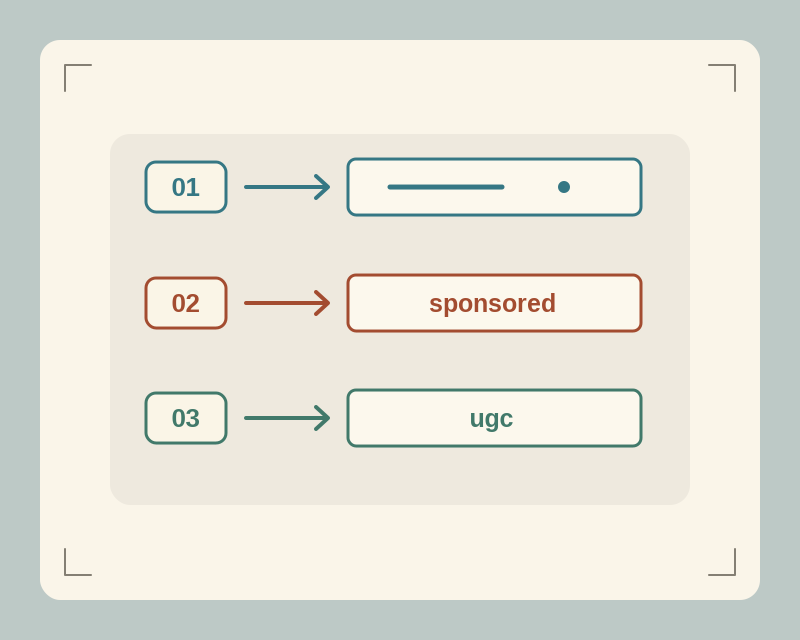
La cita al informe puede ser un enlace ordinario. El anuncio pagado se marca con rel="sponsored". El recurso del comentario puede llevar rel="ugc". Si además aplicas una regla de no asociación a esos enlaces de usuarios, Google admite combinar los valores, por ejemplo rel="ugc nofollow".
Comprueba el resultado de cada componente
Abre la página pública y localiza las tres etiquetas a. Verifica href y rel del enlace que corresponde a cada caso. Repite en el componente de comentarios cuando se cargue. Una regla aplicada al cuerpo del artículo puede omitir el botón que genera otro módulo.
Resuelve un caso mixto por enlace
Si la tienda también financia una nota de recursos, revisa qué enlaces forman parte de ese acuerdo. Si la misma página cita otro informe por decisión editorial, documenta esa razón por separado. El dominio compartido o el aspecto del botón aportan menos información que el origen de cada enlace.
Guarda una comprobación por plantilla
Conserva una muestra de la nota, el anuncio y el aporte del lector. Repite si cambias de editor o de proveedor de comentarios. Google puede descubrir el destino por otros caminos, así que el atributo describe el enlace que revisaste.
How to review outbound links on a page with sources and sponsors
A fictional newsletter links to a report cited by its editors, a shop that paid for an ad and a resource shared by a reader. All three links may be useful. Each comes from a different relationship that the publication can preserve.
Record why each link exists and where it is generated. Verify its destination and relationship attribute on the public page, including anything added by a separate component.
Check where each link came from
Record the page URL, link text, destination and who added it. Find out if the link was part of an arrangement involving payment, commission, a product or other compensation. Distinguish a reference chosen by editors from a reader's submission.
Classify three links in the newsletter
The report citation can be an ordinary link. Mark the paid ad with rel="sponsored". The resource in the comment can use rel="ugc". If you also apply a non-association rule to those user links, Google supports combining values, for example rel="ugc nofollow".
Check the output of each component
Open the public page and find the three a elements. Verify the href and rel for the corresponding link in each case. Repeat for the comments component once it loads. A rule applied to the article body may miss a button generated by another module.
Assess a mixed case one link at a time
If the shop also funds a resource article, review which links are part of the agreement. If the same page cites another report by editorial choice, document that reason separately. A shared domain or the look of a button tells you less than the origin of each link.
Keep one example per template
Keep a sample of the article, the ad and the reader's contribution. Repeat the check after switching editors or comment providers. Google can discover the destination through other paths, so the attribute describes the link you inspected.
同一页面有资料出处和赞助时,怎样检查外链
一份虚构的通讯链接到编辑引用的报告、付费投放广告的商店,以及读者分享的资料。三个链接都有用途,各自的来源关系也应在发布时保留下来。
记下每条链接为何存在、在哪里生成。在公开页面上核对链接目标和关系属性,也要检查独立组件添加的内容。
查清每条链接的来源
记录页面 URL、链接文字、目标地址和添加人。弄清链接是否涉及款项、佣金、产品或其他对价。把编辑选用的资料与读者投稿区分开。
给通讯中的三个链接分类
报告出处可以用普通链接。付费广告用 rel="sponsored" 标记。评论中的资料可以用 rel="ugc"。如果对这些用户链接还有不建立关联的规则,Google 支持组合属性值,例如 rel="ugc nofollow"。
检查每个组件的输出
打开公开页面,找到三个 a 元素,分别核对对应链接的 href 和 rel。评论组件加载后也要检查。正文实行了规则,另一个模块生成的按钮仍有可能漏标。
逐条处理混合情形
如果商店同时资助一篇资料汇总,检查哪些链接属于协议的一部分。如果同页还有编辑自行选用的其他报告,为那条链接另记原因。域名相同或按钮样式相近,都不如链接来源能说明关系。
每种模板留一个核查样本
保存文章、广告和读者投稿的检查样本。改用其他编辑器或评论服务后重新检查。Google 可能从其他路径找到目标页,因此该属性描述的是这条被检查的链接。
Fuentes y método
- Google Search Central · Qualify your outbound links ↗
- Google Search Central · Spam policies for Google web search ↗
Fuentes consultadas el 16 de noviembre de 2026. Los casos y datos numéricos de los ejercicios son ficticios. Editorial standards · Disclosures.